
Camper without an oven
You want bread for breakfast or lunch that you can eat without baking it first. Choose an amount that suits the length of your stay and check that the product is ready to eat.


If you don’t have an oven at the campsite, choose bread that’s ready to eat and take only as much as you’ll use within a few days. Part-baked bread is only suitable if you can use the equipment it requires. For a longer trip, plan how much you’ll need for each meal and, if possible, freeze the bread in portions.
You want bread for breakfast or lunch that you can eat without baking it first. Choose an amount that suits the length of your stay and check that the product is ready to eat.
There’s little point taking a large loaf if you won’t finish it in time. Choose a size that suits the number of meals you have planned, and freeze portions at home if you can.
For a familiar lunch while you’re away, look for a type of bread you enjoy and can store. Check the wholemeal labelling on the product and choose an amount that fits your travel plans.
First, decide whether your bread needs to be ready to eat and how many meals you want it to cover. Then compare pack sizes and nutritional information for the types of bread that suit the facilities you have.
| What to consider | What to check before buying | Who it’s most relevant to |
|---|---|---|
| Amount you can use | Check the weight, the number of items and whether it’s a whole or half loaf. Choose a size you’re likely to finish. | If part of a large loaf is left over, that extra amount hasn’t helped me. Around 31% of consumers prioritise limiting uneaten portions. |
| Ready to eat | Check whether the bread is ready to eat or needs to go in an oven or air fryer first. | With just a tent and a cool box, I want to be able to make lunch without having to bake anything. For around 25% of consumers, being able to eat it straight away is the main concern. |
| Storage and planning | Choose an amount that suits the length of your stay and check the storage instructions. Freeze portions at home if possible. | If I’m away for several days, I don’t want to have to finish all the fresh bread at once. Around 25% of consumers prioritise planning portions that can be stored. |
| Type of bread and labelling | Check the wholemeal labelling and nutritional information, as well as the ingredients and allergens if needed. | For my everyday lunch, I want to know what type of bread I’m buying rather than judging by its colour. Around 19% of consumers give checking the label top priority. |
Half a loaf, a whole loaf and a pack of several rolls all contain different amounts. So the number of packs tells you little about how much you can use during your trip.
Check the weight and number of items, then choose an amount that suits the meals you have planned.
Bread left for too long can dry out or go mouldy. According to the Voedingscentrum, bread typically keeps for 2 to 4 days in a kitchen cupboard.
Take an amount that suits your needs and, if you’ll use it later, freeze the bread in portions as soon as you get home.
The part-baked rolls described by ALDI need to be cooked in an oven or air fryer. A cool box can’t replace this step.
Before buying, check that you can use the equipment required. If not, choose bread that’s ready to eat.
The online bread range is useful if you want to browse types of bread and pack sizes before setting off.
A place to compare fresh bread and packaged varieties side by side.
Worth considering if you’re weighing up fresh bread against products that need baking before you eat them.
The online bread range can help you choose a type of bread and a suitable size before setting off.
A range where you can browse everyday bread and part-baked varieties for different camping meals.
These options include bread and rolls you can eat without an oven, as well as loaves that need baking first. Choose according to your cooking facilities, the type of bread you want and how much you can use.
 Image unavailable
This flatbread is suitable for a meal when you don’t want to use an oven. The product name states that it contains six pieces; choose an amount that suits your mealtimes and check the storage and ingredients information on the pack.
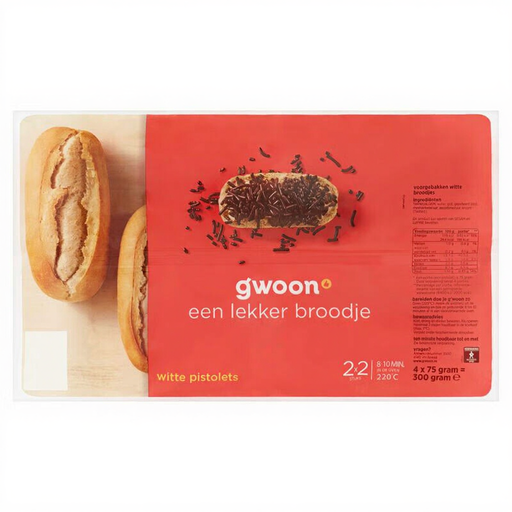 Image unavailable
These white rolls are suitable for a meal without any baking. The pack states that it contains four rolls and weighs 300 g. Choose a different type of bread if you’re specifically looking for wholemeal, and check the storage instructions.
 Image unavailable
This 550 g loaf is an option if you have access to a suitable oven at the campsite. It needs to be defrosted and baked first, so allow time for this and check the cooking instructions on the pack.
 Image unavailable
The pack of two loaves is only suitable if you can use the larger quantity and have access to a suitable oven. The loaves need to be defrosted and baked, so plan how you’ll store them too.
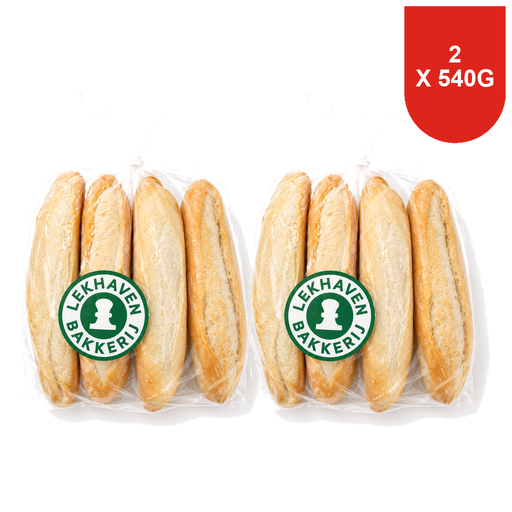 Image unavailable
These part-baked baguettes are suitable for a meal if you have access to a suitable oven and time to defrost them. Before buying, check exactly how many packs and baguettes the variant you’ve chosen contains, so the quantity suits your trip.
The Voedingscentrum says bread keeps for 2 to 4 days in a kitchen cupboard and 1 to 3 months in the freezer. Also follow the storage instructions for the bread you buy. Freeze portions straight away if you won’t need them until later.
It’s better to choose bread that’s ready to eat, unless you can use a suitable oven or air fryer elsewhere. The part-baked rolls described by ALDI need to be cooked using this kind of equipment.
Plan how many bread-based meals you expect to have during your trip and buy a suitable size. If you have access to a freezer, you can freeze bread in portions beforehand and take only what you need.
No. Don’t use colour as a substitute for product information. To check whether bread is wholemeal, look for the product description. If the presence of iodised baker’s salt matters to you, read the ingredients list or ask the seller.
Consider how you’ll keep food chilled before taking perishable fillings with you. The Voedingscentrum recommends buying fresh, perishable products last and taking them in small quantities. If you don’t have a fridge, it recommends using a good cool box and keeping these products in it for no more than one day.