If you’re planning several snacks over the autumn half-term, a whole or half loaf can be a good-value option, as long as you use it up or freeze it in portions. Bake-at-home bread needs preparing, but works well for snacks spread across different days; individual rolls are convenient if you want to eat them straight away. Compare how much you’re likely to use, and check the bread type and, where relevant, allergens and baker’s salt before choosing.
Which option is right for you?
Families planning several snacks
A whole or half loaf can be used for sandwiches, toasties or toast. Choose an amount that suits the number of snack breaks you have planned. The Netherlands Nutrition Centre advises freezing any bread you won’t use straight away in individual portions.
Shoppers looking for wholemeal bread
If the type of bread matters to you, check the wholemeal label and the ingredients of the specific product. The Netherlands Nutrition Centre describes wholemeal bread as a type of bread that contains fibre. Its colour or the word ‘multigrain’ alone doesn’t confirm that it’s wholemeal.
Households checking allergens or baker’s salt
For packaged bread, check the label; for loose rolls, ask for product information. According to the Netherlands Nutrition Centre, not all bread is made with baker’s salt. The Netherlands Food and Consumer Product Safety Authority says that sellers must provide allergen information for non-prepacked foods.
What should you look for when choosing?
Whole or half loaf
Choose this: if you want to make sandwiches, toasties or toast for several snack breaks.
Bear in mind: you’ll need to use up a whole loaf or have room to freeze it in portions; a half loaf may be a better fit for fewer people.
Bake-at-home bread
Choose this: if you want to prepare a small amount of warm bread at different times.
Bear in mind: you’ll need suitable equipment and time to bake it.
Freshly baked individual roll
Choose this: if you want to eat a roll straight away, rather than take bread with you for later.
Bear in mind: availability may vary by store; Lidl says this applies to its fresh bread range.
| What to consider |
What to check |
Who it matters to |
| Quantity and leftovers |
Compare the weight or number of items, and choose a size you can use up or freeze in portions. |
I want to make snacks over several days without having bread left over. Around 36% of consumers put choosing the right amount first. |
| Type of bread |
Check that your chosen bread is actually wholemeal; multigrain doesn’t automatically mean wholemeal. |
If bread is often the basis for our snacks, I want to be able to choose wholemeal with confidence. This is the first consideration for around 29% of consumers. |
| When you’ll eat it |
Choose between ready-to-eat bread, bake-at-home bread, and bread you can portion and freeze. |
Our snack breaks are spread throughout the holiday, so I want to prepare only what we need each time. Around 21% of consumers prioritise this flexibility. |
| Allergens and baker’s salt |
Read the label or ask about allergens for unpackaged bread; check whether baker’s salt is listed if it matters to your choice. |
I need to know what’s in the bread before I choose it. For around 14% of consumers, checking this is the most important consideration. |
Common mistakes
-
Assuming a half loaf, whole loaf and pack of rolls are the same size
Pack sizes can vary considerably in weight or number of items. A larger amount isn’t useful if some of it is left uneaten over the holiday.
Compare the sizes of products you’re genuinely considering, and think about how many snack breaks you want them to cover. If needed, freeze the bread in portions for later, as advised by the Netherlands Nutrition Centre.
-
Assuming dark or multigrain bread is wholemeal
The colour of a loaf and the word ‘multigrain’ don’t, by themselves, tell you exactly what it’s made of.
If you want wholemeal bread, check the product name and ingredients of the specific loaf you’re buying.
-
Assuming all bread contains baker’s salt
According to the Netherlands Nutrition Centre, using baker’s salt when baking bread isn’t compulsory. The ingredients can therefore vary from one loaf to another.
Check the label or ask the baker if baker’s salt is important to your choice.
-
Not asking about allergens in unpackaged rolls
With unpackaged bread, there may not be a label for you to check. The Netherlands Food and Consumer Product Safety Authority says sellers must provide allergen information for non-prepacked foods.
If you need to avoid an allergen, ask for information about the specific roll before you buy it.
Supermarket ranges compared
Albert Heijn
Albert Heijn has an online bread category featuring standard loaves and other types of bread.
- The online range makes it easy to compare product types and pack sizes.
- Check the weight and any offer conditions for the loaf you choose.
Lidl
Lidl stocks freshly baked, pre-packed and bake-at-home bread products.
- A freshly baked individual roll works well for a snack you want to eat straight away.
- Lidl says its fresh range can vary by store, so check what’s available at your chosen branch.
ALDI
ALDI describes a bread range that includes half and whole loaves, as well as bake-at-home products.
- You can compare bread for several snack breaks with rolls to bake at home, giving you different options for how to serve it.
- Compare the size of the specific product; a whole loaf and a pack of rolls don’t contain the same amount.
PLUS
PLUS offers online bread ordering and includes sourdough bread in its Korenlanders range.
- The range is worth considering if you want to compare sourdough with other types of bread.
- Check the type of bread, pack size and ingredients for the product you choose; sourdough alone doesn’t mean a loaf is wholemeal.
Dirk
Dirk’s bread category features a range of loaves, rolls and bake-at-home products.
- The different product types let you choose between bread for several snack breaks and individual rolls.
- Check the size and type of bread for each product before comparing two packs.
Bread and rolls on Joybuy
These products offer different options for autumn half-term snacks: wholemeal bread and rye bread, packs of four rolls, and bread to bake at home. Choose based on how many snack breaks you’re planning, the type of bread you prefer and how much preparation you’re happy to do.
 Image unavailable
Lekhaven Bakkerij wholemeal round country loaf, 2 × 550 g
The two loaves work well for snacks on different days if you have time to defrost and bake them.
The product information lists wholemeal wheat flour and wholemeal sourdough. Check the label if the use of baker’s salt is relevant to your choice.
View on Joybuy
 Image unavailable
Bolletje rye bread, 500 g
This sliced rye bread is a handy option if you want to use a few slices for several snack breaks.
The pack contains 500 g. The product description mentions whole grains; if you have dietary requirements, check the allergen information for wheat, rye and other ingredients.
View on Joybuy
 Image unavailable
g'woon multigrain rolls, 4 pack
Four individual rolls make it easy to choose how many snacks you want for each break.
The description lists ingredients including rye, linseed, millet and oats. Check the pack if the weight, wholemeal content or information about wheat and sesame is important to you.
View on Joybuy
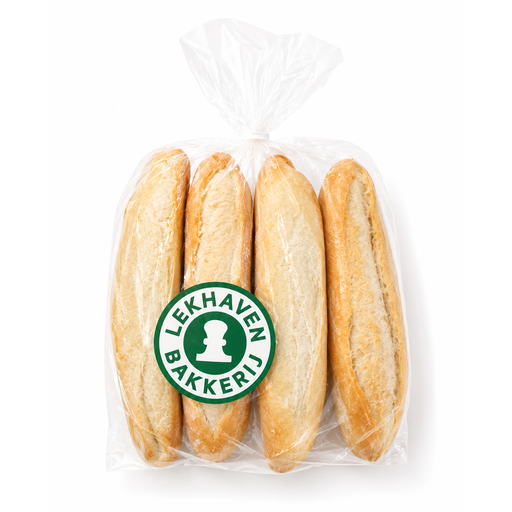 Image unavailable
Lekhaven Bakkerij Natural Rustic Baguette, 4 × 135 g
The four baguettes are ideal for snacks at different times if you have an oven.
These are frozen bake-at-home baguettes that need to be defrosted and baked in the oven. The pack contains four 135 g baguettes.
View on Joybuy
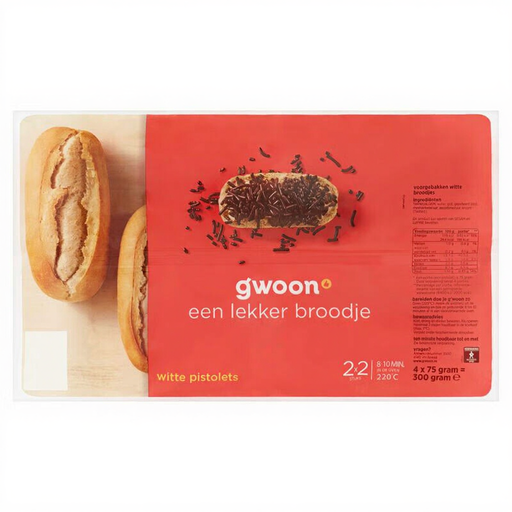 Image unavailable
g'woon white rolls, 4 pack, 300 g
This pack is a good choice if you want to share four white rolls across one or more snack breaks.
The pack contains 300 g. The product information lists wheat flour, iodised salt and allergens including sesame; check the label if you need this information.
View on Joybuy
Frequently asked questions
When should I choose wholemeal bread for autumn half-term snacks?
Choose wholemeal bread if the type of bread and its fibre content matter to you, and check that the specific product is genuinely wholemeal. The Netherlands Nutrition Centre describes wholemeal bread as a source of fibre; also choose a pack size that suits how much you’ll use.
What should I do with bread I won’t use straight away?
The Netherlands Nutrition Centre advises freezing it in portions as soon as you buy it, then taking out what you need. That way, you don’t have to use the whole loaf at once if you’re not sure when you’ll want a snack.
Is all bread made with baker’s salt?
No. According to the Netherlands Nutrition Centre, baker’s salt isn’t compulsory when baking bread. Check the label or ask about unpackaged bread if this information matters to your choice.
How can I check allergens in an unpackaged roll?
Before you buy it, ask the seller for allergen information about the specific roll. The Netherlands Food and Consumer Product Safety Authority says sellers must provide customers with allergen information for non-prepacked foods.


