
Vandaag of morgen in huis

Kwaliteit gegarandeerd

Welkomstaanbiedingen ontgrendelen: GRATIS bezorging | Tot 80% korting | Gratis 30 dagen JoyPlus-proefperiode
Download de app
You're in the supermarket aisle, looking for a quick lunch or a nutritious breakfast. The shelves are packed with bread alternatives: crispbread, rusks, spice cakes, and light crackers. The packaging grabs your attention with claims like "high in fiber" and "whole grain." But how do you know what you're really buying? Many products that seem healthy aren't always what they appear to be. Let's look at the most common pitfalls.
You don't need to be a nutritionist to make a smart choice. Just pay attention to a few key details on the packaging. A good bread alternative is more than just a convenient snack; it can be a significant contributor to your daily nutrient intake.
Fiber is crucial for good digestion and provides a long-lasting feeling of fullness. A product is generally considered high in fiber if it contains more than 6 grams of fiber per 100 grams. Products with high fiber content, like many types of crispbread, are often a solid choice for a healthy breakfast or a light lunch.
On the nutrition label, look for the "of which sugars" line. This number can be surprisingly high, especially in spice cakes. Ingredients like glucose-fructose syrup, sugar, or syrup listed near the top of the ingredients indicate a product with a lot of added sugar.
For a true whole-grain rusk or cracker, check the ingredients list. Ideally, whole-grain flour (e.g., whole-grain rye flour or whole-grain wheat flour) should be the first ingredient, often with a percentage listed. This guarantees that the entire grain kernel has been used, including the fiber-rich bran and germ.
Below are some popular choices tailored to different needs. This selection is based on product specifications such as fiber content and the use of whole grains.
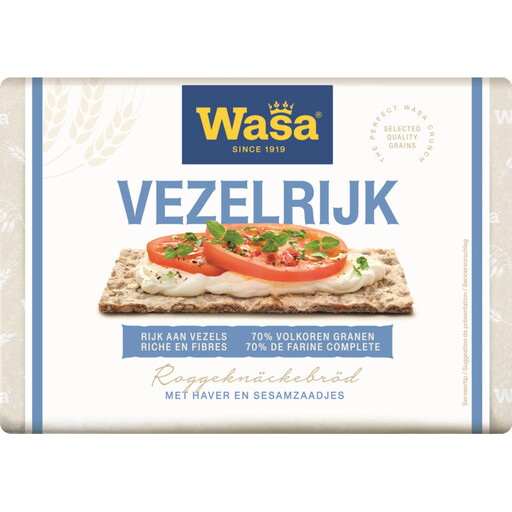
Why This Fits Their Persona: Ideal for those seeking a quick, nutritious, and filling lunch. These crackers provide a sturdy base for both savory and sweet toppings, helping you get through the afternoon without cravings.
This product avoids the "empty cracker" pitfall. With 26 grams of fiber per 100 grams, primarily from whole-grain rye flour, it offers an exceptionally high fiber content.
Made with whole-grain rye flour and wheat bran. Low in sugar (2 grams per 100 grams).
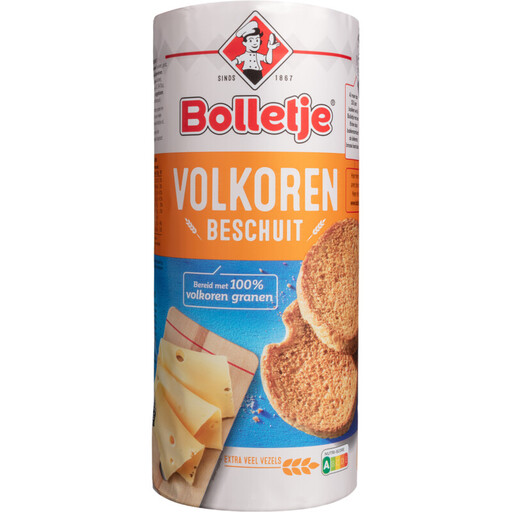
Why This Fits Their Persona: For those who love a classic Dutch breakfast with rusks but want a more nutritious option. It offers the familiar taste and texture, but with the benefits of whole grain.
This product tackles the "whole-grain illusion." Whole-grain wheat flour is the main ingredient, ensuring a product that is genuinely rich in fiber (11 grams per 100 grams).
Classic, crunchy texture. A source of fiber and made with free-range eggs.
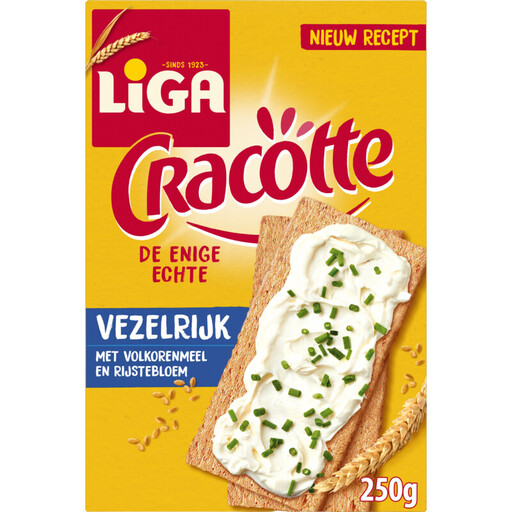
Why This Fits Their Persona: Perfect for those who love the extremely light and airy texture of cracottes but don't want to compromise on nutritional value. Suitable as a light breakfast or as a snack.
This product avoids the "paying for air" trap. Despite its light texture, it's rich in fiber (11 grams per 100 grams) thanks to a blend of whole grains like wheat and rye.
Very light and crispy texture. Made with a blend of different whole grains.
We have compiled a complete, up-to-date list of products that meet these selection criteria and current guidelines.
Health authorities recommend that adults consume about 30 to 40 grams of fiber per day. High-fiber bread alternatives, such as whole-grain crispbread, can make a significant contribution. Two high-fiber crackers (e.g., with 26g of fiber per 100g) can easily provide 5-6 grams of fiber, which is a useful supplement to your daily intake.
Price or brand name isn't always a guarantee of quality. It's more important to look at the ingredients list and nutritional values. Sometimes, store brands offer comparable or even better specifications for a lower price. Compare the fiber content, sugar content, and the percentage of whole-grain flour to make an informed choice.
Moisture is the greatest enemy of crispy bread alternatives. After opening, store them in a well-sealed, airtight container in a dry, dark place. Don't leave the packaging open, as they will quickly become soft and chewy.
