
Vandaag of morgen in huis

Kwaliteit gegarandeerd

Welkomstaanbiedingen ontgrendelen: GRATIS bezorging | Tot 80% korting | Gratis 30 dagen JoyPlus-proefperiode
Download de app
A pair of boys’ trainers needs to cope with a lot: cycling to school, running around the playground, playing in the park and sometimes taking part in PE lessons. Yet parents often buy a pair that becomes uncomfortable after a short time. The problem is often not the brand, but the wrong size, a fastening that does not suit the child or a material that is impractical for everyday use.
In this guide, you’ll discover what to look for in children’s trainers, which features you can check and which models suit different situations.
A size 32 is not the same in every model. The fit, last and shoe width can vary. The brand’s advice also matters. For example, the Skechers Flex Glow 90542L is described as having a standard fit, but the product advice states that this model comes up small and that you may wish to consider ordering one size larger.
Have your child try on both shoes while wearing the socks they normally wear. Check that their toes can move and that the heel does not lift when they walk. A little room for growth is practical, but a shoe that is too roomy may feel less stable.
Trainers with lights are appealing to many children. However, check how the lights are operated and how the shoes should be cleaned. The Skechers Flex Glow product information states that the lights are switched on and off using buttons. Clean the shoes with a damp cloth; machine washing is not recommended.
Lights are therefore a style choice, not a substitute for a good fit, secure fastening or suitable sole.
Suede and textile can feel comfortable and breathable, but they require different care from synthetic materials. A trainer for school and everyday use does not necessarily need the same features as a model for intensive outdoor play. So look at your child’s routine first, and only then consider colour or brand.
For boys in the target group looking for trainers in sizes 27 to 36, the following details are important:
A standard fit does not automatically mean that every foot will feel the same in the shoe. Children with wider feet may find a model with more room more comfortable. For example, the Skechers Meteor-Lights Krendox 401495L-BKBL 33 lists shoe width G, while several Microspec models have width D.
Trainers with hook-and-loop fastening are useful for young children who are learning to get dressed independently. They are quick to secure and easy to adjust again. Elastic laces can offer added convenience, while traditional laces are mainly suitable for children who can tie them independently.
Make sure the hook-and-loop fastening closes securely and does not come undone during movement. With models featuring elastic laces and a hook-and-loop fastening, such as the Skechers Microspec Texlor, you get easy access combined with an adjustable fit.
Look separately at the upper, midsole and outsole:
Brand information about comfort or support should be read as a product claim. According to the manufacturers’ product descriptions, certain models are designed for everyday use and active children. This does not guarantee that every foot will have the same experience.
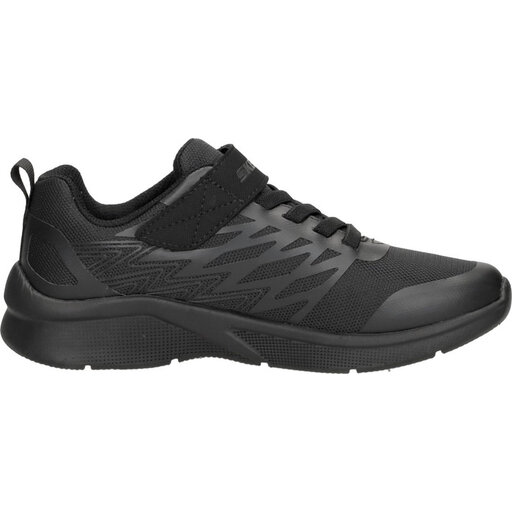
Why it suits this profile: A simple black model for school, cycling and everyday use, without conspicuous extra features.
The product information states a standard fit, shoe width D and size advice recommending that you order your usual size. Still, check the fit on your child’s foot.
Textile upper, rubber sole and elastic fastening with hook and loop. Available as black boys’ trainers in size 32.
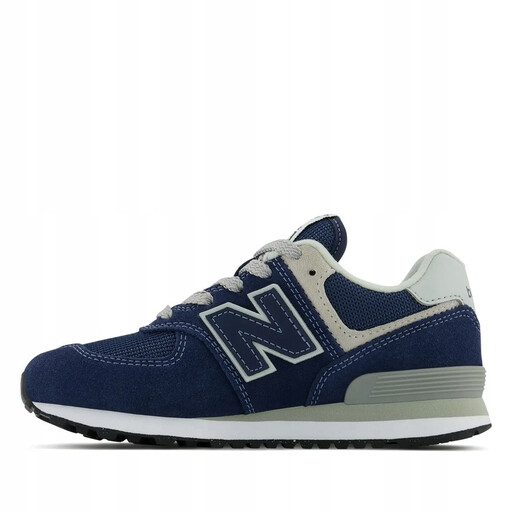
Why it suits this profile: Ideal for parents who pay attention to materials, fastening and a versatile look for school and leisure time.
The product information specifies suede, synthetic material, textile mesh, EVA and rubber. This lets you see in advance which materials require particular care.
Hook-and-loop fastening, navy blue colour, EVA midsole and rubber outsole with tread.
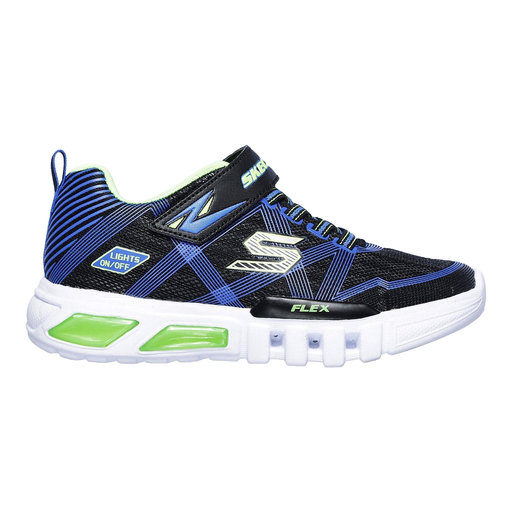
Why it suits this profile: A practical choice for children who like to combine a sporty look and lights with a fastening that helps them put the shoes on independently.
The model explicitly states the size advice, mesh upper and cleaning instructions using a damp cloth. This helps avoid surprises regarding fit and care.
Technical mesh, elastic laces, hook and loop at the ankle, and on/off switches for the lights.
We’ve put together a complete, up-to-date list of products that fully meet these strict selection criteria and the applicable European safety regulations.
Always follow the care instructions for the specific pair. Many children’s shoes should not be put in the washing machine. Allow wet shoes to dry at room temperature and avoid direct heat, such as a radiator. Use a suitable cleaning product on suede and treat stains as soon as possible.
Check the sole, seams, hook-and-loop fastening and heel every month. With intensive use, signs of wear may appear more quickly than on shoes that are mainly worn indoors. Alternating between two pairs can be useful, as it gives the shoes time to air and dry between wears.
Choose a model with a sturdy outsole, standard fit and a fastening that your child can use independently. Hook and loop or elastic laces are practical for young children. A plain black or navy model will often go with a range of school clothes.
There should be enough room for the toes to move without the foot sliding forwards. Use the brand’s size chart and check the fit while your child is standing. As models vary, relying solely on the size of an old pair is not enough.
How long they last depends on walking distance, play habits, the surface, the material and care. Replace shoes when the sole becomes noticeably smooth, the heel no longer provides sufficient support, the fastening stops working properly or the toes touch the front. For fast-growing children, size may become an issue before visible wear appears.
