
Vandaag of morgen in huis

Kwaliteit gegarandeerd

Welkomstaanbiedingen ontgrendelen: GRATIS bezorging | Tot 80% korting | Gratis 30 dagen JoyPlus-proefperiode
Download de app
Finding a suitable pair of shorts seems easy, until the waistband feels tight, the fabric quickly loses its shape or the size doesn’t match your child’s age. When choosing boys’ shorts, the fit, material and sizing are particularly important. Marketing terms such as “extra comfortable” or “sporty” don’t mean much on their own if product specifications are missing.
These buying tips help parents and carers compare options more confidently. You’ll also find practical examples of Chicco boys’ shorts and boys’ underwear for different ages and occasions.
An age recommendation is useful, but it isn’t always accurate. Children don’t all grow at the same rate. According to the product information, size 86 may be intended for a child of around 18 months, but your child’s height and waist measurement are more important.
So always check:
Blue shorts for boys are easy to coordinate, but not every shade of blue goes with the same clothes. Medium blue, denim blue, navy and light blue can look different in product photos depending on the lighting and your screen settings.
So check the official colour name. Navy boys’ shorts are often suitable for everyday wear because small marks are less noticeable. Light blue boys’ bike shorts are a different option: this style is usually shorter and more fitted than regular shorts.
“Cotton” doesn’t automatically mean that two pairs of shorts will feel the same. A 100% cotton style has different properties from a fabric made of 90% cotton and 10% viscose. Stretch fibres such as elastane can allow more freedom of movement, but the exact composition still matters.
Also check the care label. A product description may mention machine washing or a low drying temperature, but the instructions on the garment itself should always take precedence.
For babies and toddlers, boys’ clothing sizes 56 to 122 cover the first few months up to around seven years old. Use the size as a starting point, not a guarantee. If your child is between sizes, an adjustable waistband or a slightly looser fit may be a good option.
For a pair of shorts for everyday wear, these points are worth checking:
The product specifications give you a clearer picture than general marketing terms. Here are a few examples from the range:
Cotton shorts may be a sensible choice for everyday wear, while a style containing elastane or a close-fitting bike short may be more suitable for active days. This doesn’t guarantee a particular wearing experience; the fit and your personal preference still matter.
Before buying, check that the care information suits your household. Clear washing instructions are important for children’s clothes that need to be washed often. Always follow the care label, even if the online product page gives general care information.
If you need several sets, you can combine regular shorts with boys’ underwear. For example, the Calvin Klein 2-pack of boys’ boxers and briefs is intended for everyday wear, but the listed size 128/134 is outside the size range 56 to 122. So take extra care to check that the product is suitable for your child’s measurements.
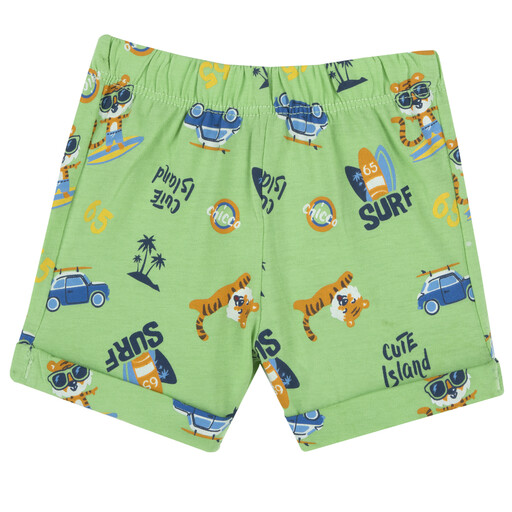
Why it suits this profile: This style is aimed at babies in size 56, with an age recommendation of up to around three months. The green colour is an alternative to blue shorts, and according to the product information, the style is made for everyday wear.
The size 056 and age recommendation are clearly stated. That means you don’t have to rely solely on a general age category.
100% cotton according to the product specifications; size 056 for young babies; easy to coordinate with other basics.
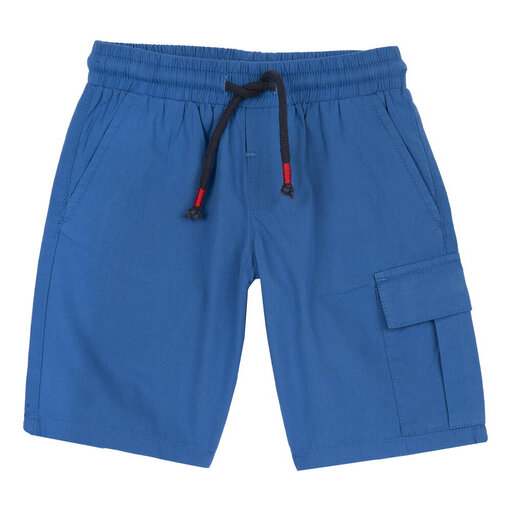
Why it suits this profile: These Chicco boys’ shorts are listed in size 110, with an age recommendation of around five years. The medium blue colour works well with everyday outfits, and the composition is clearly stated.
The product information gives both the size 110 and the 100% cotton composition. This lets you base your choice on verifiable details rather than promotional copy alone.
100% cotton; medium blue colour; the same product line is also available in other sizes, including 092, 098 and 122.
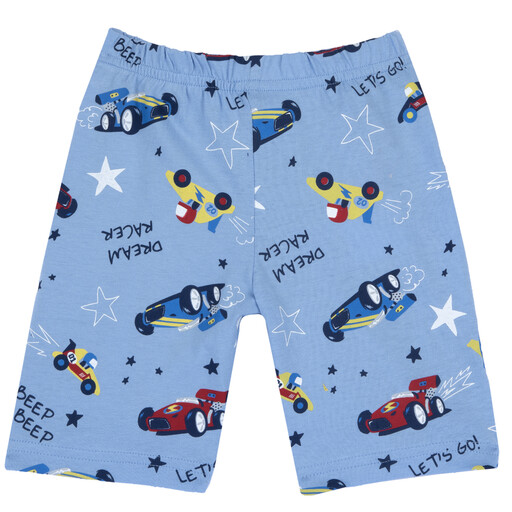
Why it suits this profile: This is a bike short style in size 086, with an age recommendation of around 18 months. Its close fit may suit play and active movement when you’d prefer something more fitted than regular loose shorts.
The product name explicitly says “Bike Shorts”, so you can see how they differ from regular shorts before you order.
98% cotton and 2% viscose according to the product information; light blue colour; available in several sizes, including 074 and 080.
We’ve put together a complete, up-to-date list of products that meet these strict selection criteria and the applicable European safety regulations.
First, check your child’s height in centimetres and compare it with the brand’s size guide. Size 56 is usually intended for young babies, while size 122 is often offered for children of around seven years old. The age recommendation is only a guide; your child’s build and the fit are more important.
A cotton style may be suitable for everyday wear, but check the exact composition and the care label. The range includes both 100% cotton shorts and styles containing viscose. How a fabric feels and drapes varies depending on the weave and style.
Boys’ shorts are outerwear, while boys’ underwear is worn directly against the skin. Calvin Klein boys’ boxers and briefs are examples of underwear made with cotton and elastane. Take extra care to check the size for these products, as some available styles start at 128/134 and are therefore outside the size range 56 to 122.
