
Vandaag of morgen in huis

Kwaliteit gegarandeerd

Welkomstaanbiedingen ontgrendelen: GRATIS bezorging | Tot 80% korting | Gratis 30 dagen JoyPlus-proefperiode
Download de app
A pair of boys’ sandals may seem simple to choose, until you need to consider size, materials, fit and how they will be used. A model for a baby who is just learning to walk requires something different from sandals for an active toddler who plays outside every day.
Marketing copy can sometimes make the choice more difficult. Terms such as “extra comfortable” or “durable” mean little if it is unclear what a sandal is made from, which sizes are available or how the product should be cared for. Use these checks to compare sandals for boys based on information you can actually verify.
Age indications are a useful starting point, but they are no substitute for checking the size properly. Children do not all grow at the same rate. What is more, the fit can vary between brands and models.
For example, the Chicco models list combinations such as size 190 for 6 to 9 months, size 210 for 12 to 18 months and size 250 for approximately 3 years. Treat these ages as product information, not a guarantee of the right fit. Always compare them with the child’s current foot length and the size guide on the product page.
“Textile” or “synthetic” does not automatically tell you how a sandal feels or how it should be cared for. Always check the material composition and the instructions on the care and washing label.
The range includes 100% cotton, a composition of 70% polyester and 30% polyurethane-coated material, and options with polyurethane-coated support material. These differences are relevant when looking for baby and toddler sandals for everyday use.
An open sandal can be practical on warm days, but it is not automatically suitable for every type of outdoor play. Check the description, fastening, sole and how much of the foot is covered. If information about a particular feature is missing, do not assume properties that are not stated on the product page.
For school, the playground and walks, a closed children’s shoe may sometimes be the more sensible choice. The Skechers Meteor-Lights - Krendox, for example, has a high-top design, hook-and-loop fastening, synthetic upper and rubber sole. This is not a sandal, but it is an alternative among Skechers boys’ shoes for situations where more coverage is preferred.
Do not automatically choose a larger size “to allow for growth”. A shoe that is too roomy can make a child less stable when walking or cause the sandal to move around. A size that is too small can quickly become uncomfortable.
Pay attention to these points:
The Chicco range includes product specifications from approximately size 160 to 320. This covers a broad age group, from babies to children of around 8 years old. However, always check exactly what the number on the product page means and how it corresponds to the usual EU size.
Materials affect more than just the appearance; they also determine which care routine is practical. According to the product information, Chicco boys’ sandals in fuchsia are made from 100% cotton. The dark blue models list polyurethane-coated support material. According to the product specification, the grey options consist of 70% polyester and 30% polyurethane-coated support material.
Also check:
A care label provides more specific information than general claims about easy care.
A hook-and-loop fastening can be useful for young children who want to put their shoes on themselves, but the product information must state this explicitly. Also check whether the sole is made from rubber, synthetic material or something else. The Skechers shoes, for example, are listed as having a rubber sole; the supplied product specifications for the Chicco sandals mainly describe the upper material and construction.
For comfortable summer shoes for boys, the right size, a secure fastening and suitable use are more important than a striking colour alone.
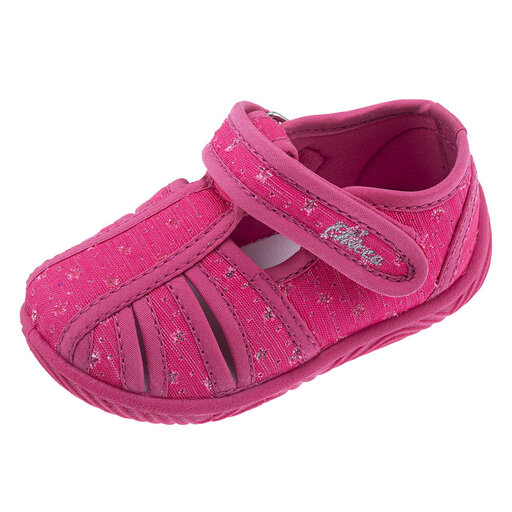
Why it suits this profile: This option is intended for an indicated age of 6 to 9 months and lists 100% cotton as the material. That makes it easy to compare for parents looking for a first pair.
The size and age are clearly stated with the product. However, check these details against the child’s foot measurement.
Fuchsia colour; 100% cotton according to the product specification; size 190.
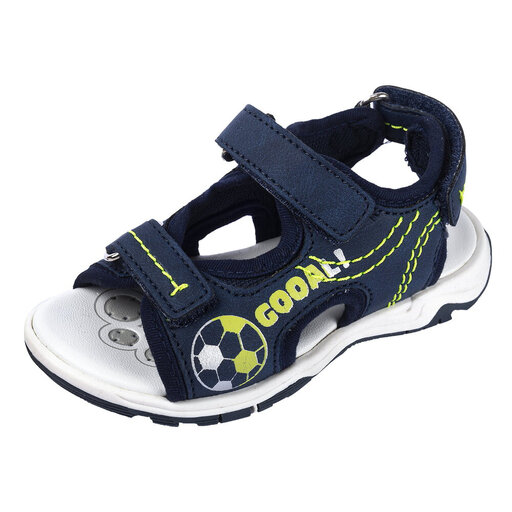
Why it suits this profile: The dark blue version is intended for approximately 24 months and lists polyurethane-coated support material. A neutral colour works well with a wide range of everyday outfits.
The material description is more specific than a general comfort claim. You can compare this option directly with the cotton and grey versions.
Dark blue colour; size 240; polyurethane-coated support-type material according to the product information.
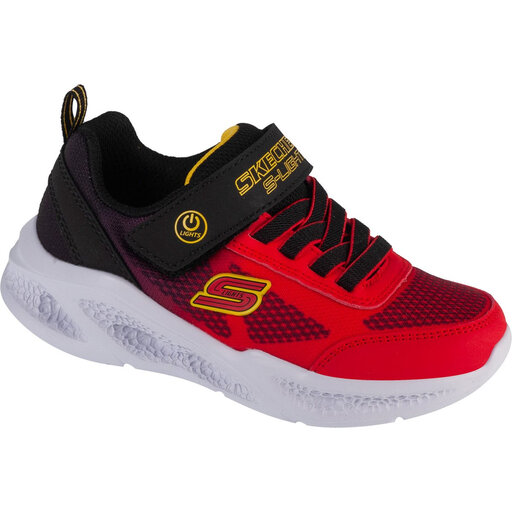
Why it suits this profile: For school, sport and active outdoor play, a closed shoe may be more suitable than a sandal. This model has a high-top design, hook-and-loop fastening, synthetic upper and rubber sole.
You are deliberately choosing a different type of shoe when coverage and a closed construction matter more than ventilation.
Size 32; hook-and-loop fastening; synthetic upper; rubber sole; regular fit according to the product description.
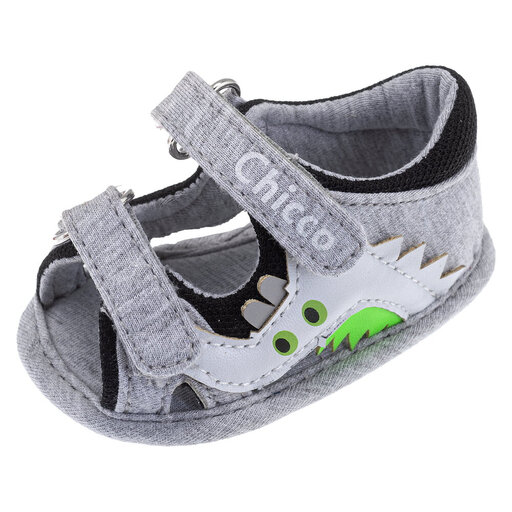
Why it suits this profile: This grey version is intended for 6 to 9 months and has a composition of 70% polyester and 30% polyurethane-coated support material.
The composition is listed in detail. This means you do not have to rely solely on the colour or a general description.
Grey colour; size 190; clear material composition; care according to the product label.
We have put together a complete, up-to-date list of products that fully meet these strict selection criteria and the applicable European safety regulations.
Measure both feet and compare the longer foot with the size guide for the chosen model. Use age only as an additional indication. With sizes from 160 to 320, small differences between models may be noticeable.
How long they last depends on growth, how often they are worn, the surface they are used on and how well they are cared for. Regularly check that the toes are not touching the front, that the fastening works properly and that the sole shows no visible signs of wear. Replace the sandals when the size or condition is no longer suitable.
That depends on the construction and how they are used. A sandal can be practical on warm days and for calmer everyday activities. For intensive play, sport or wet surfaces, carefully compare the product details covering the fastening, sole, material and care instructions. If you are looking for more coverage, a closed model such as the Skechers boys’ shoes mentioned above may be the more sensible choice.
