Which rusk is right for you?

If you’re looking for a light base for toppings

If presentation and a crisp bite are your priorities, compare classic rusks with bakery-style rusks. Bolletje describes its Bakkers Beschuit Origineel as extra crisp and light, thanks to its high egg content. If any guests avoid egg, always check the packaging of the product you choose.

If you want to serve wholemeal or seeded rusks

For savoury toppings or a preference for a more pronounced grain flavour, you can compare wholemeal rusks with seeded varieties. Check the grains, seeds and fibre per 100 g, as these vary from product to product.

If you need to consider your guests’ dietary requirements

If you’re serving rusks to a group, check in advance which allergens are relevant to your guests. The varieties described include ingredients such as gluten-containing cereals, egg and sesame. Just before serving, check the label on the pack you’ll actually be using.

What should you look for when choosing?

First, decide what role the rusks will play on your buffet: a light base for toppings, or a variety where the grains and seeds take centre stage. Then check the ingredients, pack size and availability.

What to consider What to check Who it matters to
Lightness and presentation Compare the description of the texture with the toppings you plan to serve. For varieties with a high egg content, check the ingredients too. If you want toppings to sit on a light, crisp base, some consumers prioritise that texture; it’s the most important consideration for around 31% of consumers.
Wholemeal, seeds and fibre Check which grains and seeds are used, and compare the fibre content per 100 g on the packaging. If you prefer a more pronounced grain or seed texture with savoury toppings, look for a variety that offers it. This is the top priority for around 31% of consumers.
Ingredients and allergens Read the current ingredients list and allergen information, including any warnings about traces. If a guest needs to avoid certain ingredients, I’ll only serve rusks once I’ve checked the packaging. Around 23% of consumers put this check first.
Pack size and availability Work out how many pieces you need and check that your chosen variety is available where you shop. For a buffet with several guests, I want to be able to put out enough rusks without relying on just one specific variety. This practical planning is the main concern for around 15% of consumers.

Common mistakes

  • Assuming ‘premium’ means one particular type of rusk

    A special-occasion rusk might be light and high in egg, but it could also be wholemeal or seeded. Its flavour, texture and ingredients won’t necessarily be comparable.

    Decide what role the rusks will play alongside the toppings, then compare the ingredients and nutritional information of the varieties that fit.

  • Overlooking allergens in wholemeal rusks

    ‘Wholemeal’ describes the grain base used; it doesn’t mean a product is free from allergens. The wholemeal and seeded varieties described include ingredients such as wheat, other gluten-containing cereals, egg and sesame.

    Ask which ingredients your guests need to avoid, then check the current allergen information on every pack you plan to serve.

  • Assuming an online range is a reliable shopping list

    A variety shown online won’t necessarily be available in the same way at every location. For example, Lidl lists the wholemeal rusks described as available in-store only.

    Check that your chosen variety is available before planning the rest of your buffet around it.

    If you have to visit another shop for one specific variety, it adds extra time to your Christmas shopping.

  • Taking salt on the label as proof that it contains iodine

    According to the Netherlands Nutrition Centre, using baker’s salt in bread is not compulsory. The word ‘salt’ on its own doesn’t tell you which type of salt was used in a particular rusk.

    If iodine content matters to your choice, rely only on product-specific information, not on the fact that it’s a rusk.

Brands and shops to consider

Bolletje

Bolletje sells both classic and wholemeal rusks, making it a useful brand to consider if you want to compare different textures for the same buffet.

  • Bolletje describes Bakkers Beschuit Origineel as extra crisp and light, thanks to its high egg content; the brand also offers wholemeal varieties.
  • The classic varieties described contain wheat and egg. Check the current label for each variety you choose.

Albert Heijn

The online rusk range includes Bolletje and AH varieties made with spelt, wholemeal grains or extra seeds.

  • The range includes different product types, giving you options to compare a light buffet base with one that has a more distinctive flavour and texture.
  • Check the ingredients on the individual product page or packaging, and confirm availability at your local shop.

Jumbo

As well as classic and wholemeal rusks, Jumbo offers Robuust varieties made with multigrain or spelt.

  • These varieties are worth considering if you want the rusks themselves to add grains and seeds to your buffet.
  • The Robuust Multigrain and Spelt varieties described list egg, sesame and several gluten-containing cereals.

PLUS

PLUS offers simple wholemeal rusks and wholemeal rusks with seeds; rusks also feature in its online Christmas brunch range.

  • The product information for PLUS Wholemeal Rusks with Seeds states that they contain over 25% seeds and kernels, and 10.6 g of fibre per 100 g.
  • This variety lists ingredients including wheat, barley, oats, egg and sesame. PLUS notes that product information may change.

ALDI

ALDI offers Goud Gebakken rusks in plain and wholemeal varieties, worth considering if you want the toppings to take centre stage.

  • The Goud Gebakken wholemeal rusks shown contain 13 pieces per pack, which can help you work out how many to buy.
  • Check the ingredients and allergen information on the packaging before choosing this variety for guests with specific dietary requirements.

Lidl

Lidl lists a 140 g wholemeal rusk as an in-store option for a simple wholemeal base.

  • The variety shown is listed as available in-store only.
  • Don’t assume a product is suitable for allergies or dietary requirements just because it’s labelled ‘wholemeal’; check the packaging.

Rusks for different buffet preferences

These Joybuy products range from classic and plain rusks to wholemeal rusks and a variety with several seeds. First choose the right base for your toppings, then check the packaging for ingredients that matter to your guests.

Bolletje Multi-Seed rusks, 10 pieces

Bolletje Multi-Seed rusks, 10 pieces

An option if you want the rusks themselves to add seeds alongside the buffet toppings.

If any guests have allergies, check the current label, particularly for wheat and sesame.

View at Joybuy

Bolletje Dark Whole Wheat rusks, 10 pieces

Bolletje Dark Whole Wheat rusks, 10 pieces

Worth considering if you’d like to serve a dark wholemeal variety alongside classic rusks.

Check the current label if wheat, oats, barley or sesame are relevant to your guests.

View at Joybuy
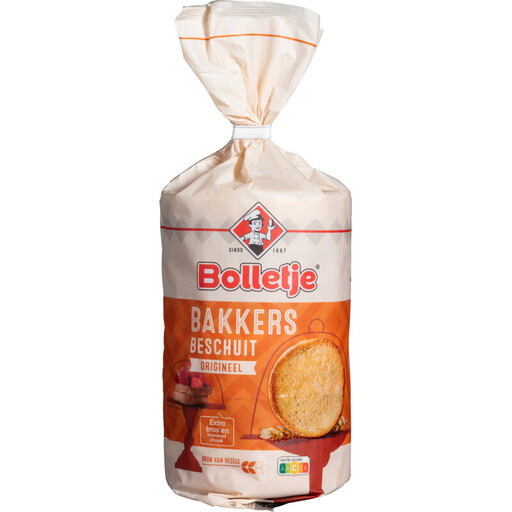
Bolletje Original Rusks, 10 pieces

Bolletje Original Rusks, 10 pieces

A classic rusk to compare if you’re looking for a light base for sweet or savoury toppings.

If any guests have allergies, check the packaging for wheat and egg, as well as any warnings about sesame.

View at Joybuy

Bolletje Wholegrain Rusk, 13 pieces

Bolletje Wholegrain Rusk, 13 pieces

A wholemeal option if you’d like to serve an alternative to classic rusks on your buffet.

The pack contains 13 pieces. If any guests have allergies, check the current information about wheat and egg, as well as any warnings about sesame.

View at Joybuy
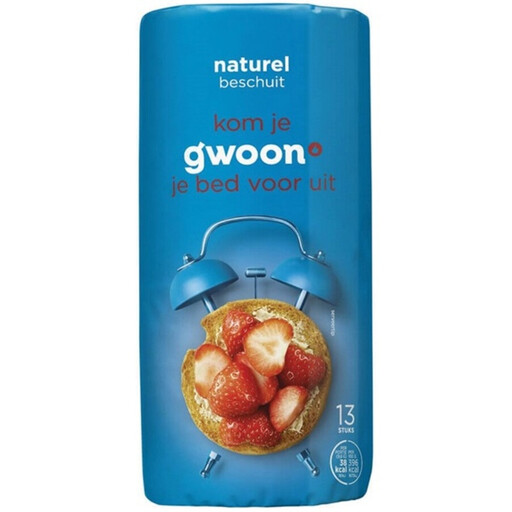
g'woon plain rusks, 125 g

g'woon plain rusks, 125 g

A plain rusk to consider if you want the toppings to take centre stage on your buffet.

If anyone has a milk allergy, check the packaging before buying: the available product information lists milk under allergens, but not in the ingredients list shown.

View at Joybuy

Frequently asked questions

Which rusks are right for a Boxing Day buffet?

Light, classic rusks are a good choice if you want a delicate base for toppings; wholemeal or seeded varieties work better if you want the grain flavour and texture to stand out. Before making your final choice, check the label for ingredients relevant to your guests.

When should I top the rusks for the buffet?

For the best crunch, top the rusks shortly before serving, especially if you’re using moist toppings. Until then, keep them somewhere dry and seal any opened pack tightly.

Does a premium look tell you anything about the nutritional value?

No. A premium look or the presence of seeds doesn’t, on its own, tell you how much fibre, sugar, fat or salt a rusk contains. Compare the nutritional information per 100 g or per serving for the products you’re considering.

Do all rusks contain iodine from baker’s salt?

You can’t assume that. According to the Netherlands Nutrition Centre, using baker’s salt in bread is not compulsory; the word ‘salt’ on a rusk packet doesn’t tell you which type of salt was used or how much iodine it contains.

Are wholemeal, spelt or seeded rusks suitable for coeliac disease?

Not based on those names alone. The varieties described list wheat or other gluten-containing cereals. For a guest with coeliac disease, choose a product only if the current packaging explicitly confirms that it’s suitable.
