
Buffet organiser who wants to serve quickly
You want to be able to top and replenish the bread without any extra slicing. Check whether the whole or half loaf you choose is actually sliced, and adjust the quantity to suit your guests.


For a Boxing Day buffet, choose bread whose packaging confirms that it’s sliced if you want to avoid having to cut it yourself; don’t assume that ‘medium sliced’ means the same thickness everywhere. If you want to offer guests a choice, compare the fibre per 100 g and check the allergens for each loaf. Bake-at-home party bread can be an extra option for nibbles, but it needs to be prepared shortly before serving.
You want to be able to top and replenish the bread without any extra slicing. Check whether the whole or half loaf you choose is actually sliced, and adjust the quantity to suit your guests.
You want to compare different breads by their fibre content and know in advance which guests can eat each one. So check the nutritional information and allergen details for every product; one standard loaf won’t necessarily suit everyone.
You’re buying bread before Boxing Day and don’t want to put out more than you need. The Netherlands Nutrition Centre advises freezing bread in portions as soon as you buy it, so you can take out only what you need later.
For this buffet, first choose the types of bread and portion sizes you want. Then check whether each product is sliced, which allergens it contains and how to store it before serving.
| What to consider | What to check when buying | Who it matters most to |
|---|---|---|
| Slicing and serving | Check that the product you choose is labelled ‘sliced’ and that a whole or half loaf suits your portion sizes. Ask about the slice thickness if it matters for your buffet. | If I want to put out ready-topped slices quickly during the buffet, I don’t want to have to slice the bread after all. This serving convenience is a priority for around 37% of consumers. |
| Types of bread and guests | Compare fibre per 100 g in the nutritional information, and check the ingredients and allergens for each loaf. Ask for allergen information when buying unpackaged bread. | I want to choose between different types of bread without overlooking a guest with an allergy. This combination of nutritional information and suitability is the main priority for around 36% of consumers. |
| Buying and storing in advance | Check the storage advice on the packaging and freeze bread bought in advance in portions as soon as you get home. Keep highly perishable toppings chilled separately. | If I buy the bread in advance, I want to defrost only the portions I need and store any unused bread. Around 27% of consumers prioritise this kind of planning. |
Shops use descriptions such as ‘sliced’, ‘pre-sliced’ and ‘unsliced’. The word ‘sliced’ alone doesn’t tell you how thick the slices are.
Check the current packaging or ask about the slice thickness. Choose unsliced bread only if you want to slice it yourself or can have it sliced in advance.
The type of bread and its allergens vary from product to product. An extra white or wholemeal loaf isn’t automatically suitable for someone with an allergy or intolerance.
Check the allergen information on each pack. The Netherlands Food and Consumer Product Safety Authority says this is shown on the label of prepacked products; ask what information is available for unpackaged bread. When serving, keep a suitable alternative separate too.
If you buy a whole loaf of every type, you could have a lot left over after the buffet.
Consider half loaves to offer more variety, and freeze bread bought in advance in portions as soon as you get home, as advised by the Netherlands Nutrition Centre.
Bake-at-home bread needs to be prepared, so you’ll need to fit this in around the other dishes and serving time.
Read the preparation instructions for the product you choose, and check its allergens before serving it too.
Allow for oven or air fryer capacity and extra preparation time.
The bread range includes sliced loaves, sourdough, wholemeal and multigrain options.
Jumbo describes whole and half loaves, both sliced and unsliced.
Lidl stocks packaged loaves, as well as bread that you can slice yourself or have sliced in store, depending on the branch.
ALDI’s fresh daily range includes white, wholemeal and multigrain breads in different formats.
PLUS offers standard bread as well as a separate sliced, bake-at-home party bread option for nibbles.
Dirk describes a range that includes white, wholemeal, multigrain and sourdough breads, in both whole and half loaves.
These two bread products are options for planning portions for your buffet. Check the current packaging to see whether they’re pre-sliced, and confirm the slice thickness and allergens for the product you choose.
 Image unavailable
The pack of 9 can be a good fit if you want to buy bread in individual portions for the buffet.
Before buying, check whether the bread portions are sliced, how thick the slices are and which allergens are listed on the current packaging.
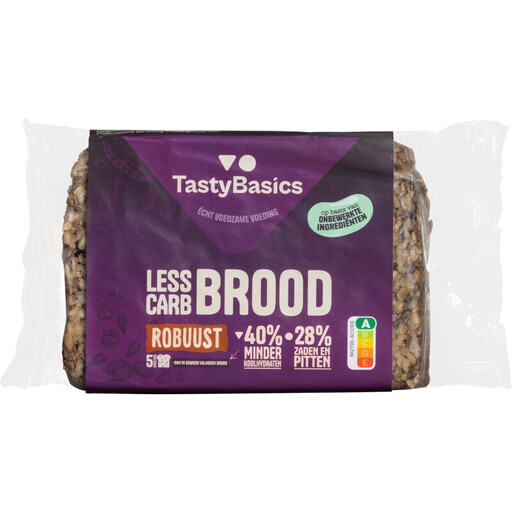 Image unavailable
The pack of 5 is an option if you’re looking for a smaller quantity of bread for the buffet.
Check the current packaging to see whether the bread is sliced, and confirm the slice thickness, nutritional information and allergens.
Don’t assume so: descriptions such as ‘sliced’ and ‘pre-sliced’ don’t necessarily specify a particular thickness. Ask about the slice thickness or check the packaging if evenly sliced bread is important for your buffet.
Yes, if you want to give your guests a choice of bread and nutritional information. The Netherlands Nutrition Centre says wholemeal bread and most types of brown bread are included in the Wheel of Five; check the fibre per 100 g and allergens for each product, as another type of bread won’t automatically suit every guest.
The Netherlands Nutrition Centre advises freezing it in portions as soon as you buy it, then taking out what you need. Also follow the storage advice and use-by date on the packaging of the bread you choose.
Keep highly perishable toppings chilled, even if the bread itself doesn’t need refrigerating. The Netherlands Nutrition Centre advises keeping your fridge at 4 °C and not leaving highly perishable foods such as meat, fish and dairy out of the fridge for more than 2 hours.