
Vandaag of morgen in huis

Kwaliteit gegarandeerd

Welkomstaanbiedingen ontgrendelen: GRATIS bezorging | Tot 80% korting | Gratis 30 dagen JoyPlus-proefperiode
Download de app
A bowl set may seem like a simple purchase, until you realise that not every bowl is suitable for the microwave, dishwasher, mixing or everyday use. A set that looks lovely may turn out to be too small for soup, awkward to store or damaged if you heat it incorrectly.
The most common pitfalls are:
Ceramic bowls and porcelain bowls are ideal for breakfast, soup, snacks and serving. They feel sturdy and are often microwave- and dishwasher-safe. However, check this for each product. Ceramic can break if dropped or crack when moved quickly from the freezer to a hot oven.
Stainless steel bowls are particularly practical as mixing bowls, salad bowls or dishes for marinating. They’re lightweight, sturdy and easy to clean. However, metal must never go in the microwave. If a set has silicone bases, follow the care instructions too; hand-washing can help the bases last longer.
Plastic storage bowls are useful for leftovers, meal prep and taking food with you. Look for a lid that seals securely, leak resistance and clear instructions on how the bowls can be used. You’ll often need to remove the lid before microwaving.
For everyday use, a mix of sizes is often more practical than four identical bowls. Consider:
Don’t just look at the capacity in litres or millilitres. The diameter and height determine whether a bowl will fit in your kitchen cupboard, dishwasher or fridge.
A dishwasher-safe bowl saves time, but check whether this applies to the lid and any silicone parts too. Microwave-safe bowls should come with clear instructions. Never put stainless steel in the microwave, and don’t put a sealed storage bowl in the microwave without checking first.
Stackable bowls or nesting mixing bowls take up less cupboard space. Check the rim too: a narrow, sharp or delicate edge may be less practical for everyday use. If you have children, size, weight and stability matter more than a cheerful design alone.
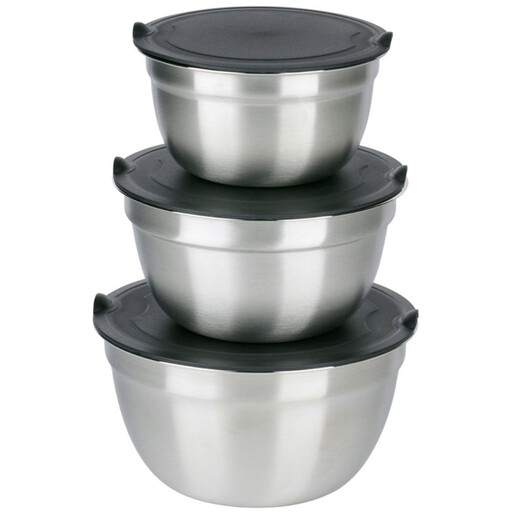
Why it suits this profile: The set includes three sizes and is designed for everyday serving of salads, fruit and snacks. Stainless steel is a practical choice if you’d rather not use fragile tableware.
The product information says the bowls are dishwasher-safe, but not suitable for the microwave or heat. Checking this in advance helps you avoid using them incorrectly.
Stainless steel, three bowls and dishwasher-safe according to the product description. The set comes with a lid.
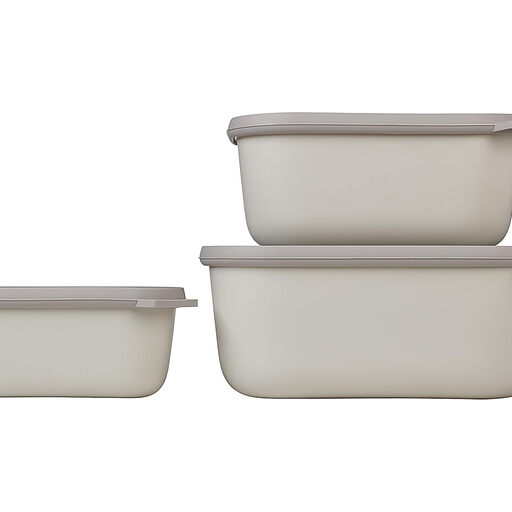
Why it suits this profile: This set is designed for storing, freezing, reheating and taking food with you. The three sizes—750 ml, 1.500 ml and 3.000 ml—are handy for leftovers and meal prep.
The instructions are specific: suitable for the fridge, freezer and dishwasher, and for microwave use without the lid. That way, you won’t have to guess which parts can withstand heat.
Polypropylene, BPA-free according to the product information, with an airtight lid and viewing window. The bowls are suitable for storing and transporting food.
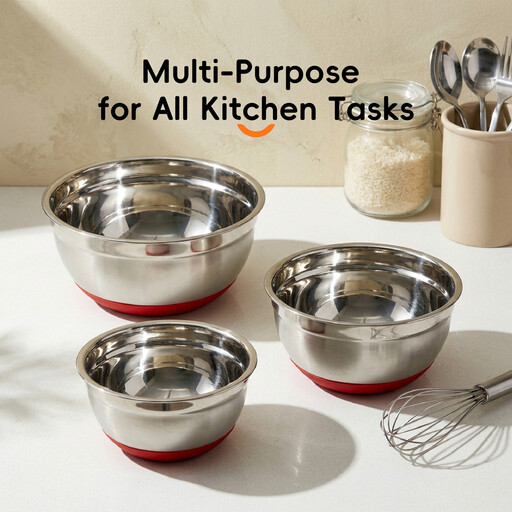
Why it suits this profile: Home cooks and baking enthusiasts get three nesting mixing bowls for whisking, kneading, marinating, washing and serving.
The silicone base is designed to provide extra stability while stirring and kneading. The product information also says the bowls must not be used in the microwave.
Stainless steel with non-slip silicone bases, three nesting bowls and dishwasher-safe according to the product description.
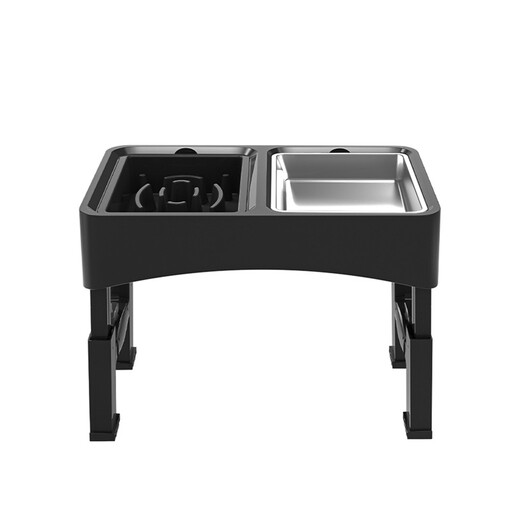
Why it suits this profile: This dog and cat feeding bowl set has four height settings: 10, 23, 27 and 31 cm. It’s a practical option for households with pets of different sizes.
The adjustable stand means you’re not limited to a single fixed height. The manufacturer describes the slow-feeding bowl as being designed to slow down eating; this is not a medical claim.
A stainless steel bowl, a slow-feeding bowl, four height settings and a foldable stand.
We’ve put together a complete, up-to-date list of products that meet these strict selection criteria and the applicable European safety regulations.
It depends on the material and the product. Porcelain and ceramic bowls are often suitable, but always check the product information. Stainless steel bowls must not be used in the microwave. With storage bowls, you’ll usually need to remove the lid before heating the contents.
A smaller bowl of around 40 to 70 cl is often handy for breakfast, yoghurt and fruit. For soup or noodles, a bit more room is useful. As well as capacity, check the height and diameter so you can eat comfortably without spilling.
Dishwasher-safe bowls are easier to care for, but that doesn’t mean they’re indestructible. Avoid sudden temperature changes with ceramic and porcelain. Don’t use abrasive cleaners on stainless steel, and follow the care instructions for silicone parts. This helps reduce the risk of scratches, discolouration and damage.
