
Vandaag of morgen in huis

Kwaliteit gegarandeerd

Welkomstaanbiedingen ontgrendelen: GRATIS bezorging | Tot 80% korting | Gratis 30 dagen JoyPlus-proefperiode
Download de app
Whether you're looking for the perfect soup bowl for a cosy winter evening or a functional feeder for your pet, the choice can be overwhelming. The market is vast, and not every bowl or feeder lives up to its promise. Many people fall into the same traps: making a purchase that looked great online but disappoints in practice. Let's look at the most common mistakes and how you can avoid them.
Pitfall 1: The material is not suitable for daily use. A common complaint is about ceramic bowls that crack or chip after just a few uses. Inexpensive earthenware is often porous and less durable. For pets, unsuitable plastic can retain odours and get scratched, becoming a breeding ground for bacteria.
Pitfall 2: The design is impractical. A beautifully designed bowl that isn't dishwasher or microwave safe quickly becomes a source of frustration. This is also true for pet feeders. A slow feeder bowl with hard-to-reach corners is impossible to keep clean, and a standard bowl can cause discomfort for some animals.
To make a smart choice, it's helpful to focus on a few objective characteristics. These specifications determine whether a product is worth the investment.
The material is the foundation of any good bowl or feeder.
Think about how you will actually use the bowl or feeder.
Based on functionality and design, we have selected a number of products that suit different needs and situations.

Why This Fits Their Persona: This bowl combines an elegant, ribbed design with practical features. Ideal for those who want to serve their daily breakfast or soup in style, without sacrificing convenience.
Made from porcelain, which is stronger and less prone to cracking than standard earthenware. The design is stackable, which avoids the pitfall of impractical storage.
Dishwasher, oven, and microwave safe. The 600 ml capacity is versatile for soup, cereal, or noodles.
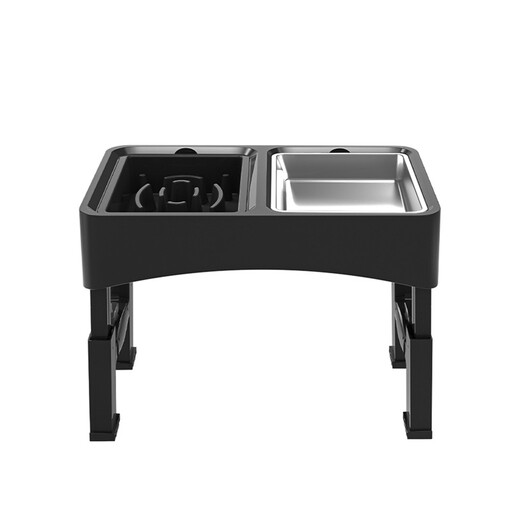
Why This Fits Their Persona: A solution for pets that gobble down their food. This set combines a slow feeder bowl with an elevated feeder, promoting a calmer eating pace and better digestion.
This product functionally addresses the problem of fast eating. The removable bowls (a slow feeder and a stainless steel bowl) are easy to clean, avoiding the pitfall of an unhygienic design.
Adjustable to four heights (10 to 31 cm), allowing it to grow with your pet. The frame is collapsible for compact storage.
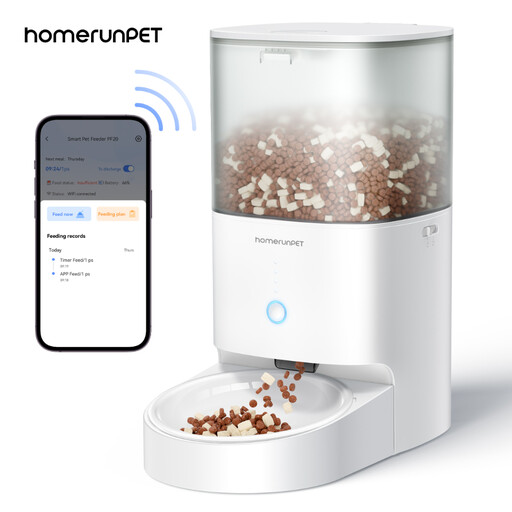
Why This Fits Their Persona: For those with an irregular schedule or who want to ensure their cat's or dog's feeder always dispenses the right portion on time. This automatic feeder takes the work off your hands.
This device offers precision and control, unlike a simple bowl you have to fill yourself. It prevents overfeeding and ensures a consistent feeding schedule, even when you're not home.
App control for setting feeding schedules and portion sizes. The device has a sealed 4-litre reservoir and a hygienic, removable ceramic bowl.
We have compiled a complete, up-to-date list of products that meet these selection criteria and comply with current regulations.
Most slow feeders are designed with cleaning in mind. Models with removable bowls are the easiest. Many slow feeders made of silicone, stainless steel, or hard plastic are dishwasher-safe. For manual cleaning, a dish brush is useful for reaching all the corners and obstacles. Always check the product information to see if the bowl is dishwasher-safe.
An elevated feeder can offer benefits, especially for large, older dogs or dogs with specific medical conditions like arthritis or neck problems. It can promote a more natural eating posture. However, for some breeds, particularly those with a deep chest, an elevated bowl is sometimes associated with an increased risk of gastric torsion (bloat). It is wise to consult with a veterinarian if you have any doubts.
Stainless steel and ceramic are generally considered the most hygienic materials. Stainless steel is non-porous, durable, and easy to disinfect. Ceramic is also a good choice, as long as the glaze is intact and of food-safe quality. Plastic is often cheaper but can develop scratches over time where bacteria can accumulate. If you choose plastic, always opt for a BPA-free option.
