
Vandaag of morgen in huis

Kwaliteit gegarandeerd

Welkomstaanbiedingen ontgrendelen: GRATIS bezorging | Tot 80% korting | Gratis 30 dagen JoyPlus-proefperiode
Download de app
As a new parent, your baby's safety and well-being are everything. Keeping bottles clean is a daily task that requires precision. An electric bottle sterilizer seems like the perfect solution, but not all devices are created equal. A model with a drying function isn't a luxury—it's a crucial addition for true hygiene and convenience.
Still, there are pitfalls. Many parents invest in a device that, after a few months, causes more frustration than convenience. These are the most common problems:
A good purchase starts with seeing through these marketing claims and focusing on the specifications that really matter.
Before you make a choice, there are a few non-negotiable specifications that make the difference between a helpful tool and a dust collector.
Baby bottles are almost always sterilized with hot steam, an effective method for killing bacteria. The real differentiating factor is the drying function. A good baby bottle sterilizer with dryer uses a stream of hot, filtered air to completely dry the bottles and accessories. Look for the presence of a replaceable air filter. This ensures that no dust particles or other airborne contaminants land on your freshly sterilized items. A cycle that both sterilizes and dries offers the most certainty and convenience.
Look beyond the advertised number of bottles. A practical design is modular, meaning you can adjust the layout. This allows you to run a full load with six bottles, but also a smaller, faster cycle for just a few pacifiers and pump parts. Check if the device is wide enough for different types of bottles and if there are special racks or baskets for small accessories. This makes cleaning and sterilizing baby bottles much more efficient.
All parts that come into contact with baby food are legally required to be BPA-free. This is a standard you can rely on for products sold in the EU. Additionally, maintenance is crucial. Choose a model with an easily accessible heating plate, preferably with a non-stick coating or a design that catches milk residue. A Philips Avent sterilizer, for example, often has an integrated drip tray that addresses this problem, making descaling significantly easier.
Based on these criteria, we've selected several popular choices that suit different needs and budgets.
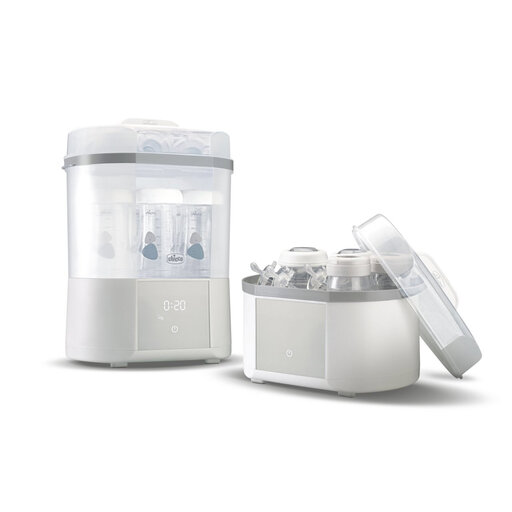
Why This Fits Their Persona: Ideal for parents looking for a reliable, no-fuss solution. This device combines the two essential functions—sterilizing and drying—in a single cycle, without unnecessary bells and whistles.
Directly tackles the "wet bottle" trap with an integrated drying function. The modular modes (Full Size and Compact) prevent you from wasting energy on a small load.
2-in-1 functionality with dryer. Two modes for large and small loads. Air filtration system for hygienic drying.
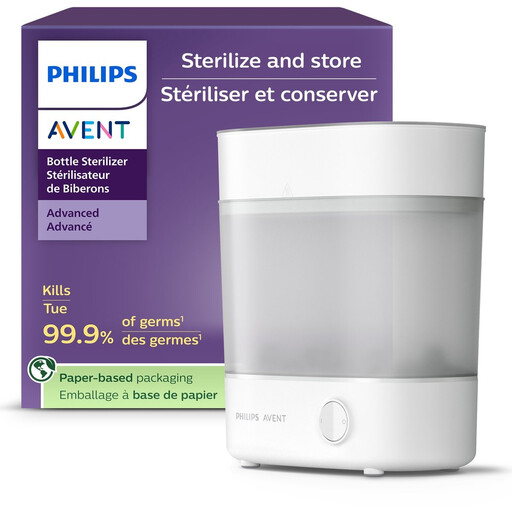
Why This Fits Their Persona: For those who trust an established brand and are willing to invest in a well-thought-out design. Philips Avent is a household name, and this model focuses on speed and ease of maintenance.
The integrated drip tray addresses the "hidden maintenance" pitfall. It catches milk residue before it can bake onto the hot plate, preventing unpleasant odors and difficult cleaning.
Sterilizes and dries in about 40 minutes. Integrated drip tray for easier maintenance. Slim, space-saving design.
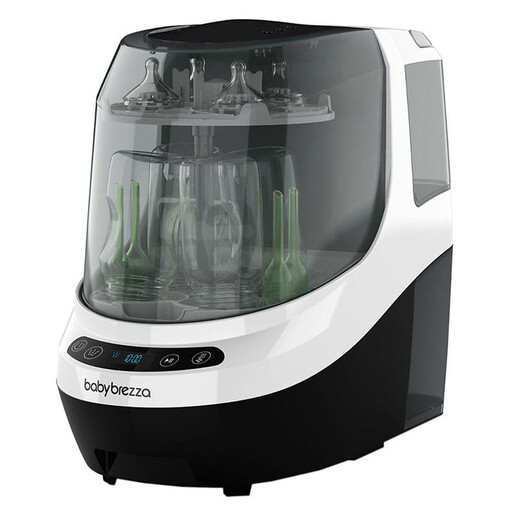
Why This Fits Their Persona: For the parent seeking maximum time-saving and convenience. This appliance takes it a step further: it washes, sterilizes, AND dries. You don't even have to pre-rinse the bottles.
This model completely eliminates most manual steps. It tackles not only the drying and maintenance pitfalls but also the time spent pre-rinsing and scrubbing bottles.
Fully automated: washes, sterilizes, and dries. According to Baby Brezza, it uses 50% less water than hand washing. No plumbing connection required.
We have compiled a complete, up-to-date list of products that fully meet these strict selection criteria and safety regulations.
This largely depends on the water hardness in your area. As a general rule of thumb, it's recommended to descale the appliance every 2 to 4 weeks. You can use a mixture of water and white vinegar, or a specific descaler suitable for baby products. Regular descaling is essential for the appliance's lifespan and the effectiveness of the steam sterilization.
Yes. All baby feeding products sold within the European Union must comply with strict safety standards. This means that the materials, especially the plastic components, must be BPA-free (Bisphenol A-free). You can always check this in the product description, but it is a legal standard.
Absolutely. Most modern electric bottle sterilizers are designed to handle more than just bottles. Accessories like pump parts, pacifiers, teething rings, and nipples can also be included. Models with a modular layout or special baskets for small items are most convenient for this, as they prevent small parts from moving around inside the unit.
