
Vandaag of morgen in huis

Kwaliteit gegarandeerd

Welkomstaanbiedingen ontgrendelen: GRATIS bezorging | Tot 80% korting | Gratis 30 dagen JoyPlus-proefperiode
Download de app
As a new parent, you have a lot on your plate. Between feedings and diaper changes, keeping baby bottles clean is a recurring task. You want to ensure everything is hygienic for your little one, but you also don't have a moment to spare. A good bottle sterilizer can be a real game-changer.
This article is intended as a no-nonsense guide. We'll lay out the facts and provide practical tips so you can choose a baby bottle sterilizer that fits your situation, without all the marketing fluff.
Before you make a choice, it's helpful to consider a few key points. The right sterilizer can truly make your daily life much easier.
The most common types are the electric sterilizer and the microwave sterilizer.
electric bottle sterilizer is a standalone appliance that sits on your countertop. You fill it with a small amount of water, place the bottles inside, and at the touch of a button, everything is steam-sterilized. They often have a larger capacity and sometimes include extra features.microwave sterilizer is a plastic container that you place in the microwave. You also add water to this type, and the heat from the microwave creates steam. These models are typically more compact and faster, but you need to have a microwave that is large enough to fit it.How many bottles do you use in a day? If you want to sterilize multiple bottles at once, a model with a larger capacity is useful. Some devices can handle up to six bottles and accessories simultaneously. Also, consider the space on your countertop. A model with a small footprint is a plus in a smaller kitchen.
A bottle sterilizer with a drying function is a popular choice. After sterilizing, the device dries the bottles and accessories with hot air. This not only saves time (no more fussing with drying racks) but also ensures the items are ready for immediate use and remain sterile for longer as long as the lid is kept closed.
Based on product specifications and functionalities, we have highlighted a few popular choices for you.
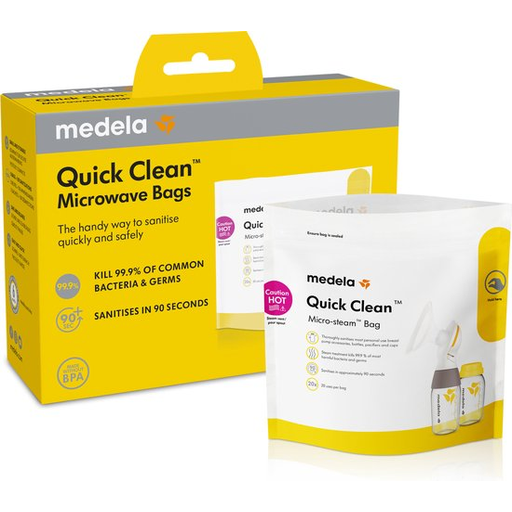
Why it stands out: This is an extremely practical solution for sterilizing bottles on the go or if you have limited space. It's not a bulky appliance, but a simple bag for the microwave.
Advantages:
Who is it for? For parents looking for a fast, budget-friendly solution for vacations, at the babysitter's, or for occasional use at home.
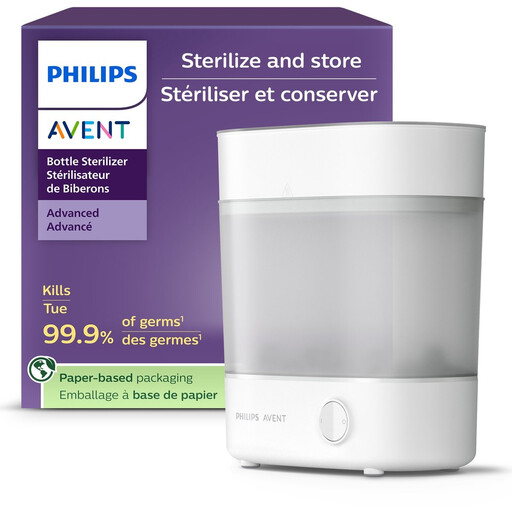
Why it stands out: This Philips Avent sterilizer combines sterilizing and drying into one efficient cycle. It's a popular model for daily and intensive use.
Advantages:
Who is it for? For parents seeking a reliable, all-in-one solution for home use. The drying function offers extra convenience and time savings in the daily routine.
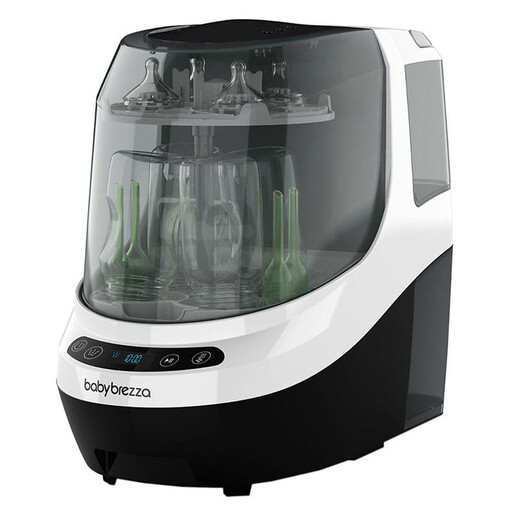
Why it stands out: This appliance takes it a step further. It's not just a baby bottle sterilizer, but a fully automatic machine that first washes, then sterilizes and dries bottles and accessories.
Advantages:
Who is it for? For busy parents who are looking for maximum convenience and are willing to invest in a device that automates the entire cleaning process.
If the ideal bottle sterilizer for your situation isn't listed here, or if you want to compare the specifications of other models, there are more options available to suit different needs and budgets.
? Explore our full range of sterilizers here
1. How often should you sterilize baby bottles? For babies up to about 6 months old, it is recommended to sterilize bottles and nipples after each use, as their immune system is still developing. After that period, you can often reduce the frequency, but daily sterilization of feeding equipment remains a good practice for optimal hygiene.
2. What is the difference between an electric bottle sterilizer and a microwave sterilizer? An electric sterilizer is a standalone appliance for the countertop that plugs into an outlet. A microwave sterilizer is a container that you place in the microwave to generate steam. Electric models are often larger and have more features (like a drying function), while microwave models are more compact and usually faster.
3. Can I sterilize items other than bottles? Yes, most bottle sterilizers are also suitable for sterilizing other baby items, such as pacifiers, teethers, breast pump parts, and lids. Always check the product's manual to see which materials and objects can be safely sterilized.
