
Vandaag of morgen in huis

Kwaliteit gegarandeerd

Welkomstaanbiedingen ontgrendelen: GRATIS bezorging | Tot 80% korting | Gratis 30 dagen JoyPlus-proefperiode
Download de app
As a new parent, your world revolves around caring for your baby. Between feedings and naps, there's one task that's always on the to-do list: cleaning baby bottles. A pile of used bottles on the countertop is a familiar sight. You want absolute hygiene, but you also only have 24 hours in a day. A bottle sterilizer and dryer can be a game-changer. This appliance takes over the sterilizing and drying, giving you more time for what truly matters.
This guide will help you choose a model that fits your needs. We'll cover the key considerations and highlight some popular choices based on their specifications and features.
The right choice depends on your family's needs, the space you have, and your personal preferences. Here are three points to keep in mind.
How many bottles do you use in a day? Some devices can handle up to eight bottles at once, while others are more compact and suitable for four. Also, consider the functionality. A simple electric bottle sterilizer does just that: sterilize. But there are also models that do more. Devices with a built-in bottle warmer and sterilizer combine two functions, saving counter space. The most advanced models, like a baby bottle washer, even automate the washing process.
The "and dryer" part is, for many parents, the main reason to choose a specific model. After sterilization, bottles are wet with steam. Air-drying them takes time and can re-expose them to bacteria. Drying with a dish towel is not recommended for hygiene reasons. A device that immediately dries the bottles with hot, filtered air after sterilizing ensures they are ready for immediate use. This process of sterilizing and drying bottles in a single cycle is a huge time-saver.
Most sterilizers on the market use steam. This is a tried-and-true method that kills bacteria with hot water vapor. It's effective and straightforward. Another, newer technology is the UV baby sterilizer. These devices use UV-C light to neutralize microorganisms. The advantage is that no water is needed, and you can often sterilize other items in it, such as pacifiers, toys, or even your phone. Both methods are effective; the choice is mainly a personal one.
Based on functionality and specifications, we've rounded up a few models that are worth considering.
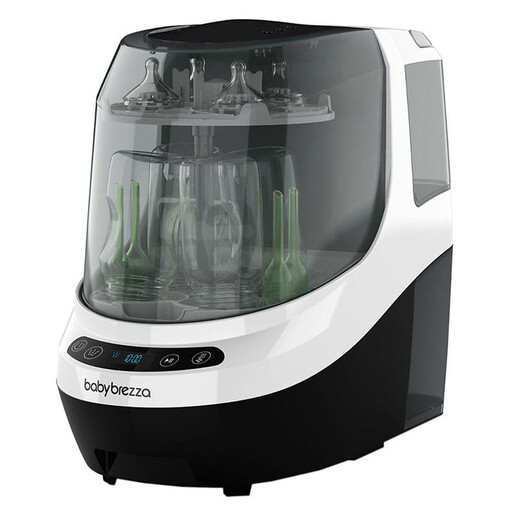
Why It Stands Out This is more than a sterilizer; it's a fully automatic bottle washer, sterilizer, and dryer in one. It's the only device on this list that also washes the bottles for you, making the bottle brush truly obsolete.
Pros
Who It's For For parents looking for maximum convenience and willing to invest in an all-in-one solution that automates the entire bottle cleaning process.
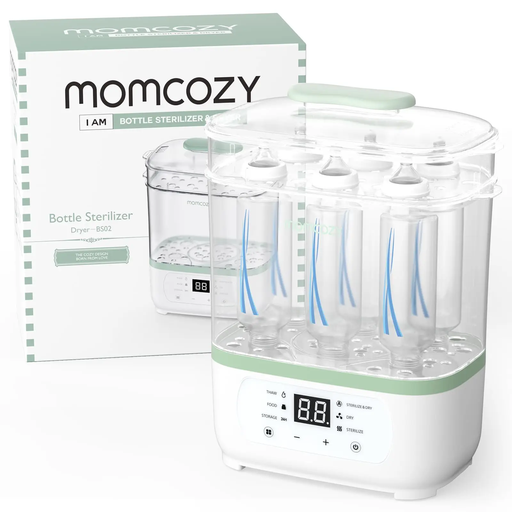
Why It Stands Out The Momcozy 8-in-1 is a highly versatile appliance. Besides sterilizing and drying, it can also warm milk and baby food, and even defrost. This makes it a multi-functional station for everything related to feeding.
Pros
Who It's For For parents seeking an all-rounder that does more than just sterilize baby bottles. Ideal if you also need a bottle warmer and want to save counter space.
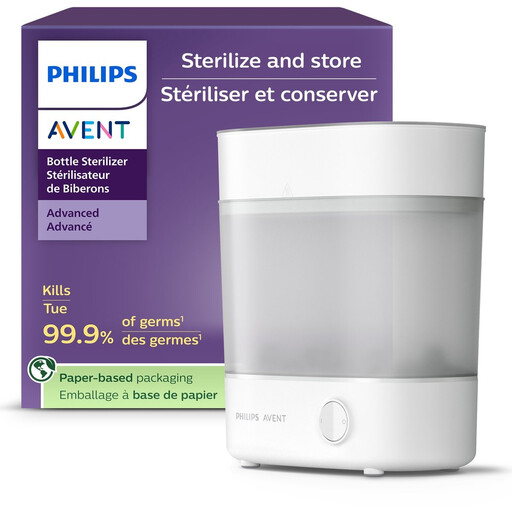
Why It Stands Out The Philips Avent sterilizer is a household name, synonymous with reliability and efficiency. This model focuses on its core tasks: sterilizing and drying quickly. The entire cycle takes just 40 minutes.
Pros
Who It's For For parents who want a fast, reliable, and no-fuss sterilizer with a drying function from a trusted brand.
A bottle sterilizer and dryer is a specific solution. Perhaps you're looking for a simpler model, or maybe you want to browse different types of baby bottles that are compatible with these devices.
Check out our full range of Baby Feeding Bottles and related accessories to find the perfect match for you and your baby.
Health authorities generally recommend sterilizing bottles and nipples after every use for babies younger than three months, premature babies, or babies with a weakened immune system. After that, thorough cleaning with hot, soapy water is often sufficient, although many parents choose to continue daily sterilization as a precaution.
For many parents, yes. It saves a significant amount of time because you don't have to wait for the bottles to air-dry. More importantly, it's more hygienic. An automatic drying cycle with filtered air prevents clean, sterilized bottles from being re-contaminated by airborne bacteria or contact with a dish towel.
Most sterilizers are designed for standard-sized baby bottles. Wide-neck or unusually shaped bottles may not fit in every model. Always check the sterilizer's specifications to see which bottle sizes are compatible. It's also wise to verify that your bottles (whether glass or BPA-free plastic) are suitable for steam sterilization.
