
Vandaag of morgen in huis

Kwaliteit gegarandeerd

Welkomstaanbiedingen ontgrendelen: GRATIS bezorging | Tot 80% korting | Gratis 30 dagen JoyPlus-proefperiode
Download de app
A bottle brush may seem like a simple kitchen accessory, but not every model is suitable for every bottle. A wide washing-up brush, for example, won’t reach properly into a narrow drinking bottle. A soft brush may be gentler on glass, while firmer plastic bristles are better at loosening dried-on residue. If you only consider the price or an attractive product photo, you could end up with an impractical purchase.
In this buying guide, you’ll find out what to look for in a bottle brush, baby bottle brush or bottle cleaner. We’ll also compare some practical options for different needs.
The length of a bottle brush isn’t the only thing that matters. The diameter of the brush head and the shape of the neck are just as important. A narrow bottle for water, coffee or sports drinks needs a slim brush. For a wide glass carafe, you’ll need a broader head.
Pay attention to the base, too. Some bottles have a rounded or deep bottom that a short brush may not reach properly.
A wet brush left flat on the worktop will dry slowly. That’s inconvenient if you use it every day. A hanging loop, stand or ventilated storage case makes it easier to let the brush dry between uses.
If you’re buying a set with several parts, make sure small straw brushes and teat brushes can drain properly, too.
Marketing copy sometimes uses broad claims such as “for all bottles”. So check the specific product information. Look at the brush shape, length, material, included accessories and care instructions. A bottle brush for narrow bottles isn’t necessarily suitable for a baby bottle, flask and reusable travel bottle.
These points are worth considering for everyday use:
If you’re unsure, measure the opening of your bottle. For a flask or reusable drinking bottle, check for parts such as a valve, spout or silicone seal, too.
A brush with plastic or silicone parts is practical for regular cleaning. According to the product information for various models, some silicone parts can be boiled or put in the dishwasher. Always check the specific instructions for the product you choose.
For baby bottles, pay particular attention to:
A description such as “food-grade silicone” is a product specification, not a general guarantee that every part is suitable for every cleaning method. So check the temperature and care recommendations.
Rinse your bottle brush thoroughly after each use and let it dry completely. Don’t use harsh cleaning products unless the manufacturer recommends them. Replace the brush as soon as the bristles start to come loose, the brush becomes misshapen or the handle cracks.
Wear and tear may become noticeable sooner with daily use than with occasional use. If so, a set with interchangeable heads or several brushes may be more practical than a single model.
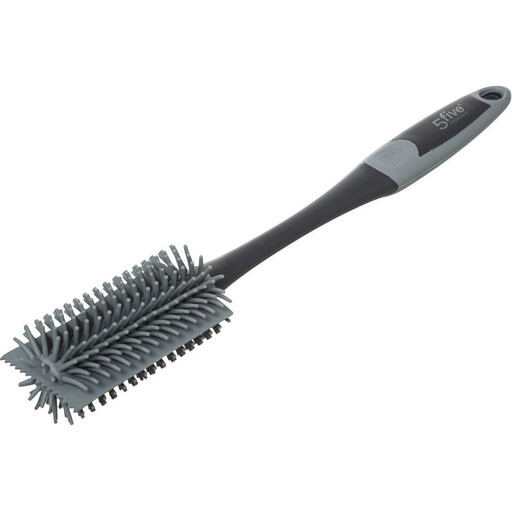
Why it suits this need: This is a simple 35 cm bottle brush for households looking for one practical tool for bottles and narrow glasses.
The stated length and suitability for baby bottles and narrow glasses make it clearer where this brush can be used than a general claim that it works for “all containers”.
35 cm long, with a non-slip handle, hanging loop and product information stating that it’s dishwasher-safe.

Why it suits this need: Suitable for parents who want to clean several bottle accessories and parts, at home or on the go.
The set includes separate brushes for bottles, teats and straws, so you don’t have to use one wide brush for every opening.
7-in-1 set with a silicone bottle brush, teat brush, straw brush, soap dispenser, drying rack and storage case.
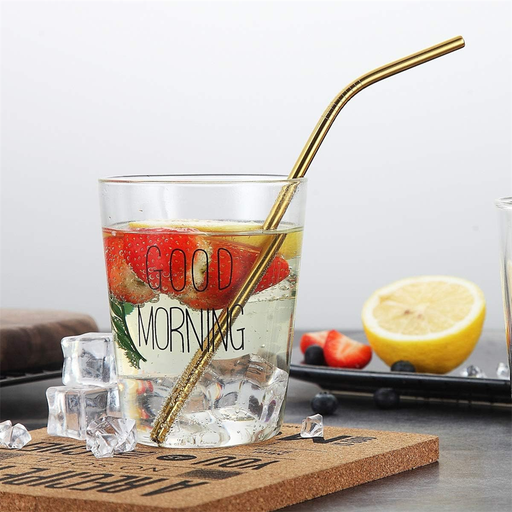
Why it suits this need: Useful for households with reusable straws, coffee cups and drinking bottles with very narrow openings.
This set is designed for straws and other narrow openings, rather than relying on one large brush head for different types of bottle.
Set of five stainless steel straw brushes, designed for coffee, drinks and other drinking accessories.
We’ve put together a complete, up-to-date list of products that meet these strict selection criteria and the applicable European safety regulations.
A bottle brush is often just one part of a practical set. Reusable travel bottles can be handy for shampoo or toiletries when you’re travelling. Check that the cap closes securely, and use a funnel if the opening is small.
In the kitchen, an oil dispenser or oil bottle is useful when you want to pour liquids in a controlled way. According to the product information, the Maxcook 500 ml oil dispenser has a wide opening for filling and a dust cover. The 280ml model combines a glass bottle with a silicone brush, according to its description. These products aren’t a substitute for a bottle brush, but they do need similar care when it comes to taking them apart and drying them.
Rinse the brush straight after use with warm water and a mild cleaning product. Remove any visible residue caught between the bristles, then leave the brush to dry upright or hanging. Check first whether it’s dishwasher-safe.
Choose a model with a narrow brush head and a handle long enough to reach the bottom. For straws and spouts, a separate straw brush is usually more practical than a standard bottle cleaner.
It depends on how often you use it, its material and how you care for it. With daily use, look out for loose bristles, misshaping and cracks. Replace the brush as soon as it becomes less effective or any parts are damaged.
