
Vandaag of morgen in huis

Kwaliteit gegarandeerd

Welkomstaanbiedingen ontgrendelen: GRATIS bezorging | Tot 80% korting | Gratis 30 dagen JoyPlus-proefperiode
Download de app
Buying Bose headphones or earbuds seems simple, until you have to choose between over-ear headphones, in-ear earbuds or open-ear models. Marketing terms such as “spatial audio”, “noise cancelling” and “all-day comfort” only tell you so much unless you know which specifications they refer to.
For train commuters, a good seal may matter more than low weight. People working from home are more likely to focus on microphones and multipoint connectivity. If you cycle or walk, being able to hear your surroundings can be important. Below, we compare the key things to consider and some Bose models to suit different needs.
Headphones with active noise cancellation use electronics to reduce certain types of ambient noise. Low, constant sounds, such as train engine noise, are typically a good use case. Voices, sudden sounds and traffic are not automatically filtered out completely.
So check whether a model also has an Aware mode or a similar ambient mode. This can be useful in the office or on a walk. Don’t use noise cancelling when cycling, driving or in other situations where you need to hear your surroundings.
Advertised listening time depends on the settings and how you use your headphones. On some models, battery life changes when spatial audio or a similar extra feature is switched on. Also check the difference between the earbuds’ own battery life and the total capacity of the charging case.
The Bose QuietComfort Earbuds are listed with up to 8.5 hours of playback and a charging case that provides up to 31.5 hours in total. According to the product information, the Bose QuietComfort Ultra Earbuds (2nd Gen) offer up to 6 hours per full charge. That difference matters if you often take long journeys without an opportunity to recharge.
In-ear earbuds seal off the ear, which can be useful in busy environments. An open-ear model sits outside the ear canal instead. This may feel more comfortable on longer walks, but it also lets in more ambient sound.
Also check the water resistance. An IPX4 rating means protection against splashes and sweat under the conditions described. It doesn’t guarantee that a product is suitable for submersion or heavy rain.
A wireless Bose headset or Bose Bluetooth headphones work without an audio cable, but be sure to check the Bluetooth version and features. According to the product information, the QuietComfort Ultra Earbuds (2nd Gen) support Bluetooth 5.3, multipoint connectivity and a range of up to 9 metres. The Ultra Open Earbuds 2nd Gen are listed with Bluetooth 5.4.
Multipoint is especially useful if you work from home: you can keep, for example, a laptop and phone connected, and switch between devices more easily. Always check that the feature is listed for the model you’re considering.
If you travel every day, don’t look at wireless playback time alone. An included audio cable can come in handy on a plane, when using certain equipment or if the battery runs out. Some headphones also let you keep listening while they charge, so check the product description.
Consider the controls, too: physical buttons are often easy to use with gloves on, while you may prefer touch controls. The Bose app can be used with various models to adjust settings and sound profiles, and install software updates.
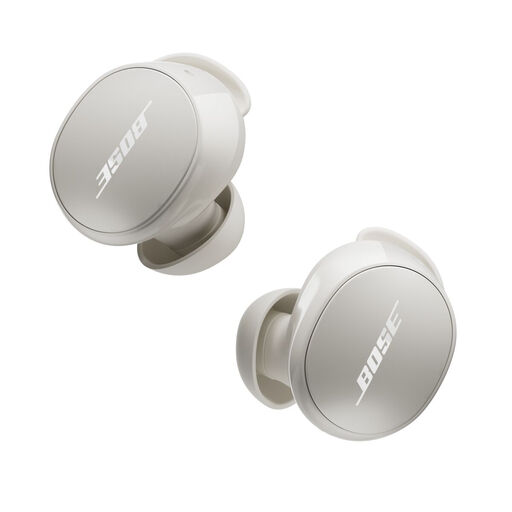
Why it suits this profile: These compact Bose wireless earbuds combine Quiet and Aware modes with up to 8.5 hours of advertised playback. They’re a good fit for everyday commuting and general use.
The product information clearly lists the battery life, IPX4 rating and Bluetooth multipoint. This lets you check the practical features before you buy.
Up to 8.5 hours of listening, a charging case with extra capacity and IPX4 protection.

Why it suits this profile: This over-ear model is designed for listeners who value active noise cancellation, spatial audio and a premium fit for music and video.
As well as Bluetooth 5.4, the product information lists a detachable cable and Cinema Mode. That means you’re less reliant on a single way of listening.
Active noise cancellation, Bose Immersive Audio and Bluetooth 5.4.
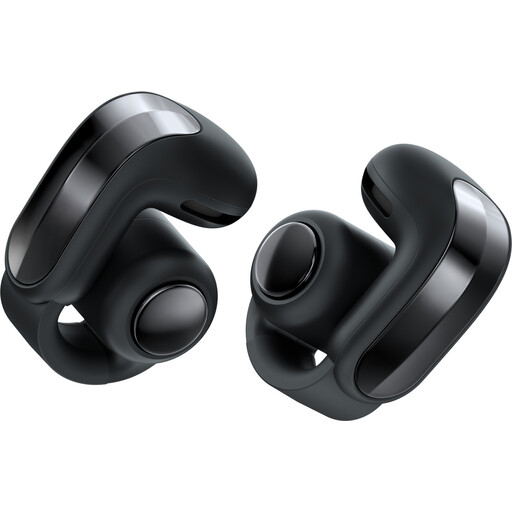
Why it suits this profile: These open-ear earbuds are designed for people who want to stay aware of their surroundings while walking, cycling or travelling.
The open-ear design means you won’t choose a sealed in-ear fit for a situation where ambient sound matters. The IPX4 rating is suitable for sweat and splashes.
Up to 9 hours of listening, Bluetooth 5.4 and an open design with IPX4 protection.
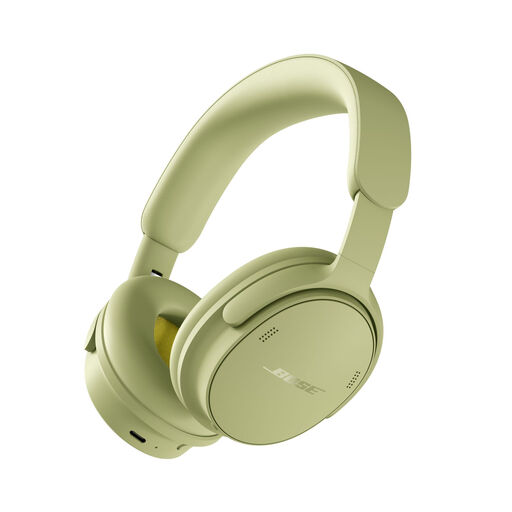
Why it suits this profile: The over-ear design, advertised battery life of up to 24 hours and multiple listening modes make this model practical for work, travel and long listening sessions.
The specifications list Quiet, Aware, Immersion and Cinema modes. This lets you adjust the volume and how much of your surroundings you can hear to suit the situation.
Up to 24 hours of battery life and USB audio for lossless listening, according to the product description.
We’ve put together a complete, up-to-date list of products that meet these strict selection criteria and the applicable European safety regulations.
Switch on your headphones or earbuds and enable Bluetooth on your smartphone. Select your Bose model from the list of available devices. The Bose app can help you adjust settings, install firmware updates and manage paired devices. For multipoint models, check which devices can stay connected at the same time.
How long they last depends on battery use, charging cycles, volume, moisture and physical wear. A model with a charging case can be topped up more often while you’re out and about. Keep your earbuds clean and dry, charge them according to the instructions and avoid leaving them in high temperatures for long periods. The legal guarantee in the EU is generally at least two years; check the terms with the retailer.
When cycling in traffic, it’s important to be able to hear approaching vehicles, cyclists and other signals. Sealed in-ear earbuds or Bose noise-cancelling headphones can reduce your awareness of these sounds. An open-ear model may be more practical in these situations, but keep the volume low and always follow the rules of the road.
