
Vandaag of morgen in huis

Kwaliteit gegarandeerd

Welkomstaanbiedingen ontgrendelen: GRATIS bezorging | Tot 80% korting | Gratis 30 dagen JoyPlus-proefperiode
Download de app
Bose headphones can be a good choice for travelling, working from home, listening to music or exercising. But a well-known brand name doesn’t automatically mean every model will suit your needs. The differences often come down to fit, battery life, water resistance and how active noise cancellation works.
If you choose a model based only on terms such as “immersive audio” or “noise cancelling”, you could end up with headphones that feel too heavy, don’t fit securely or aren’t suitable for use in the rain. Below, we cover the key things to consider and recommend a few products for different types of user.
Active noise-cancelling headphones use microphones and electronics to reduce background noise. How well they work depends on the situation. Low, steady sounds such as aircraft engines or train noise are different from voices, traffic or sudden noises.
According to Bose, several QuietComfort models have Quiet and Aware modes. So check whether you’ll also want to hear the sounds around you. Noise cancelling isn’t intended for use when cycling, driving or in other situations where you need to stay alert.
An IPX4 rating doesn’t mean a product is waterproof. The Bose QuietComfort Earbuds’ IPX4 rating means they’re resistant to sweat and splashes. That may be suitable for walking or light exercise, but not for submersion or prolonged exposure to rain.
According to the product information, the Bose SoundLink Flex Portable Speaker (2nd Gen) has an IP67 rating for dust and water resistance. Always check the instructions, though, and only charge a wet device once it’s completely dry.
The stated play time is a maximum under certain conditions. Features such as immersive audio, phone calls and high volume can affect battery life. For example, the Bose QuietComfort Ultra Earbuds (2nd Gen) are listed with up to 6 hours of play time. The Bose QuietComfort headphones are advertised with up to 24 hours of battery life.
Also check how the product charges. Some models don’t come with a mains charger and use USB-C. The product information for the QuietComfort Ultra Headphones (2nd Gen) also states that PD fast charging isn’t supported.
Over-ear Bose headphones cover your whole ear. This can be comfortable on long train journeys or during work sessions, but they take up more space than wireless earbuds. The Bose QuietComfort headphones weigh 240 grams according to the product specifications. The QuietComfort Ultra models are listed at 380 grams.
In-ear models are more compact, but fit is a personal matter. Check which ear tips and stability bands are included. The Bose QuietComfort Ultra Earbuds (2nd Gen) come with several sizes of ear tips and stability bands, so you can adjust the fit.
Bose Bluetooth headphones are handy for use with a smartphone, tablet or laptop. Check whether you want to use two devices at the same time. The product specifications for some QuietComfort Ultra models list multipoint pairing.
A wired connection can be useful on a plane, while gaming or when the battery is flat. The QuietComfort Ultra Headphones (2nd Gen) have Bluetooth 5.4 and USB-C and 3.5 mm connection options. Bear in mind that Bluetooth version, range and connections vary by model.
Compare the headphones’ battery life with the charging case’s capacity when choosing earbuds. According to the product information, the Bose QuietComfort Earbuds offer up to 8.5 hours of play time on a single charge. The charging case can provide extra charges.
Portable speakers have different requirements. The Bose SoundLink Flex Portable Speaker (2nd Gen) weighs around 0.59 kg and offers up to 12 hours of play time according to the specifications. The larger Bose SoundLink Max weighs 3.2 kg and is listed with up to 20 hours of battery life. It’s therefore less suited to travelling light, but could be a better fit for home use or shorter trips.
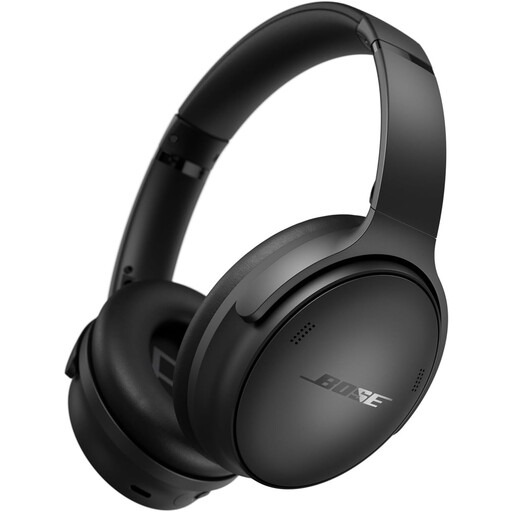
Why it suits this user: This over-ear model is designed for everyday listening and offers Quiet and Aware modes, according to Bose’s product description.
The available modes make it easier to let in ambient sound when you want to, rather than relying on noise cancellation alone.
Over-ear design, adjustable listening modes and soft ear cushions for longer listening sessions.

Why it suits this user: According to the stated product specifications, this model combines Bluetooth 5.4, active noise cancellation, a detachable cable and Bose Immersive Audio.
The combination of wireless and wired use means you’re less reliant on Bluetooth or a charged battery.
Bluetooth 5.4, 3.5 mm connection, USB-C connection and Cinema Mode, according to the product information.
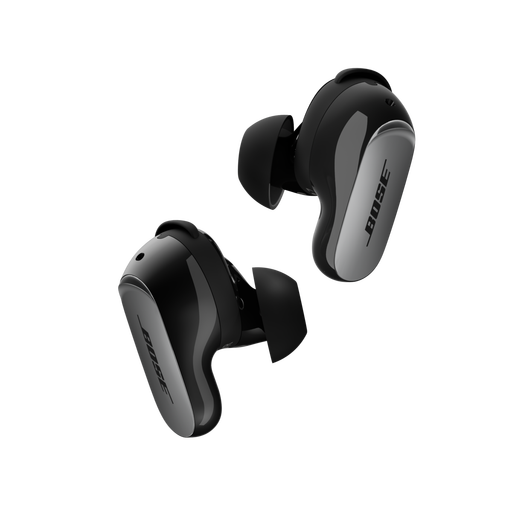
Why it suits this user: These wireless earbuds are a good choice for commuting, travelling and light exercise when you want a compact set.
The included fitting accessories help ensure you don’t have to rely on a single standard size.
Bluetooth 5.3, up to 6 hours of play time, USB-C and wireless charging for the case; the model has IPX4 protection according to the product information.
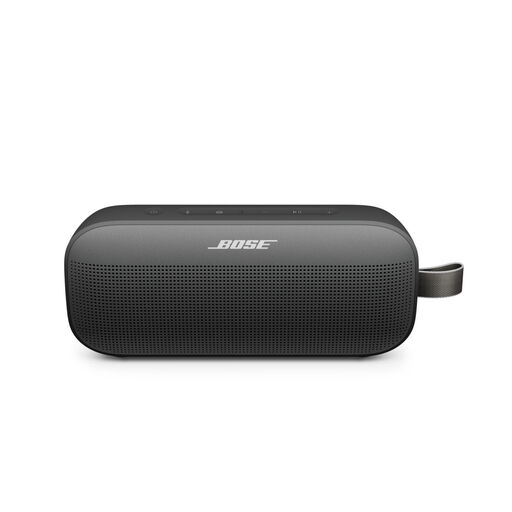
Why it suits this user: This Bose Bluetooth speaker is designed for indoor and outdoor use. At around 0.59 kg, it’s easier to carry than a larger SoundLink.
The stated IP67 rating gives you a clearer idea of its level of protection than general terms such as “weather-resistant”.
IP67, USB-C, built-in microphone, Bose Music app and up to 12 hours of battery life according to the product details.
We’ve put together a full, up-to-date list of products that meet these strict selection criteria and comply with current European safety regulations.
Switch on the headphones and press and hold the Bluetooth button until pairing mode starts. Then open your smartphone’s Bluetooth settings and select the right Bose model. For compatible models, the Bose Music app may offer extra settings, firmware updates and EQ adjustments.
Battery life on a single charge varies by model. According to the product information, several QuietComfort headphones offer up to around 24 hours. Bose earbuds have a shorter play time per charge, but the charging case provides extra charges. Actual battery life depends on factors including volume, noise cancellation and the features you use.
The Bose QuietComfort Earbuds and QuietComfort Ultra Earbuds are listed with IPX4 protection. This makes them suitable for sweat and light splashes. They aren’t designed for swimming or submersion. After exercising, check that the earbuds are dry before putting them in the charging case.
