
Vandaag of morgen in huis

Kwaliteit gegarandeerd

Welkomstaanbiedingen ontgrendelen: GRATIS bezorging | Tot 80% korting | Gratis 30 dagen JoyPlus-proefperiode
Download de app
A Bosch fridge freezer can serve you well every day for years, but only if the model suits your kitchen, household and shopping habits. A spacious fridge isn’t automatically convenient, and a low price says little about energy use over the appliance’s lifetime.
Look out for these three common pitfalls:
A freestanding Bosch fridge freezer that’s 60 cm wide will often fit a standard kitchen layout, but always measure the entire space where you plan to put it. The Bosch KGN392LAG, for example, is 203 cm high, 60 cm wide and 66.5 cm deep. A wider XXL model, such as the KGN492LDF, is 70 cm wide.
For a built-in Bosch fridge freezer, the niche dimensions are key. According to its product specifications, the Bosch KIN86ADD0 requires a niche of approximately 178 × 56 × 55 cm. Also check the door hinge type and whether the door can open fully. For an American-style fridge freezer, the route into the kitchen matters too: the Bosch KAD93ABEP is approximately 90.8 cm wide and weighs 111.8 kg.
Energy ratings range from A to G. As well as the rating, compare the stated annual energy consumption in kWh. This makes it easier to compare models like for like.
Examples from the product specifications:
Actual energy use also depends on the ambient temperature, how full the appliance is, the temperature setting and how often the door is opened. Use the energy rating as a point of comparison, not as a guarantee of a fixed amount on your energy bill.
For an open-plan kitchen or studio flat, a quiet fridge freezer may matter more than an extra drawer. The models in this selection range from 29 dB to 42 dB. The Bosch KGN392LAG and KGN492IAF are listed at 29 dB; the Bosch KGN33NWEB is listed at 42 dB.
Also consider how the space is divided between the fridge and freezer. A large-capacity fridge freezer is practical for families, but a large freezer is only an advantage if you actually store plenty of frozen food. For larger households, an American-style Bosch fridge freezer such as the KFN96APEA, with a total capacity of 605 litres, could be a good choice. For a smaller household, around 279 to 363 litres may be enough.
A Bosch No Frost fridge freezer uses air circulation and moisture control to reduce ice build-up in the freezer compartment or, according to the product specifications, prevent it. This means you won’t need to defrost it manually as often. Check whether “No Frost” refers to the freezer, both compartments or a specific version of the model.
A VitaFresh fridge freezer has a separate drawer or zone where the temperature and, depending on the model, humidity are controlled differently. Product descriptions say these zones are designed for vegetables, fruit, meat or fish. Think of this as a way to organise different types of food, rather than a guarantee of a specific shelf life.
Features such as SuperCooling and SuperFreezing temporarily lower the temperature to chill or freeze newly added shopping more quickly. They’re particularly useful after a big shop, but don’t need to be switched on all the time.
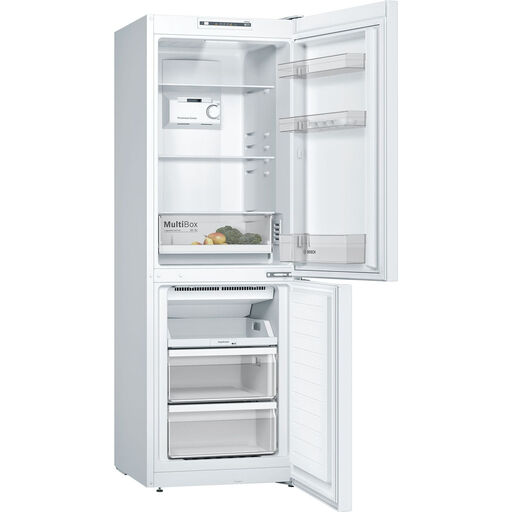
Why it suits this household: This model is 60 cm wide, has a total capacity of 279 litres and stands 176 cm tall. It’s a straightforward choice for a smaller kitchen or a household with modest refrigeration needs.
The separate fridge capacity of 193 litres and freezer capacity of 89 litres give you a clearer idea of the available space than the total figure alone. Bear in mind, though, the stated energy use of 228 kWh per year and energy rating E.
No Frost, LED lighting, a MultiBox drawer and a stated freezing capacity of 10 kg per 24 hours.
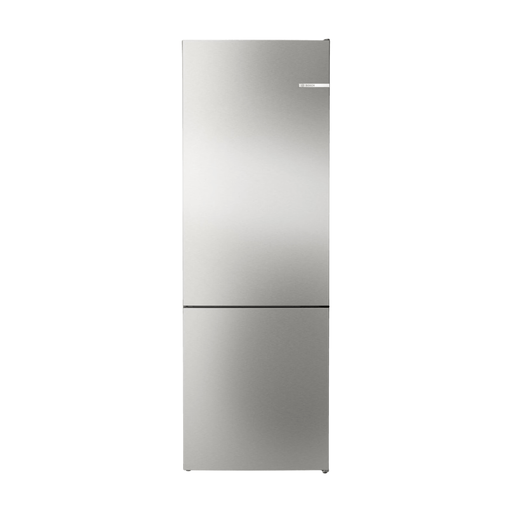
Why it suits this household: At 70 cm wide, this model offers XXL storage, VitaFresh and a stated noise level of 29 dB. It’s a good fit for households that prioritise space and quiet operation.
The product specifications list both No Frost and separate SuperCooling and SuperFreezing functions. Energy rating A and annual consumption of 122 kWh also give you clear points of comparison.
VitaFresh XXL 0°C zone, freezing capacity of 11.5 kg per 24 hours and a stated noise level of 29 dB.
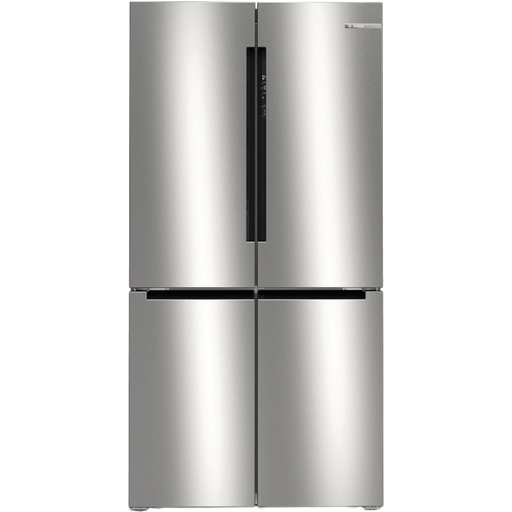
Why it suits this household: With a total capacity of 605 litres, this model is designed for large households and anyone who stores plenty of fresh and frozen food at the same time.
Its fridge and freezer space is designed to handle large quantities. Make sure you check the available space first, though: the appliance is around 91 cm wide and has a stated annual energy consumption of 333 kWh.
605 litres of capacity, No Frost, a VitaFresh 0°C zone and a stated noise level of 38 dB.
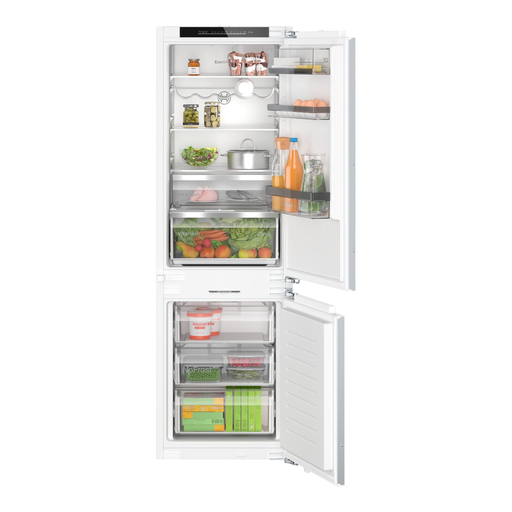
Why it suits this household: This model is designed for a built-in installation with a niche of around 178 × 56 × 55 cm, and has a stated noise level of 35 dB.
The stated niche dimensions make it easier to check in advance whether the appliance will actually fit your kitchen. According to the product description, separate cooling circuits help prevent odours from passing between the compartments.
No Frost, VitaFresh, SuperCooling and stated annual energy consumption of 186 kWh.
We’ve put together a complete, up-to-date list of products that meet these strict selection criteria and the current European safety regulations.
Always follow the installation instructions for your chosen model. Allow for ventilation openings, skirting boards, walls and the full door swing. For a built-in model, the stated niche dimensions are particularly important.
No Frost reduces ice build-up and means you won’t need to defrost the appliance manually as often. However, energy use is also affected by the energy rating, capacity, temperature setting and how often you use it. So compare the stated annual consumption in kWh.
Its lifespan depends on installation, maintenance, ventilation and how intensively it’s used. Clean the condenser and interior according to the instructions, allow air to circulate around the appliance and check that the door seals properly. Keep your proof of purchase and warranty details in case you need servicing.
