Vandaag of morgen in huis

Kwaliteit gegarandeerd

Welkomstaanbiedingen ontgrendelen: GRATIS bezorging | Tot 80% korting | Gratis 30 dagen JoyPlus-proefperiode
Download de app
The wrong angle grinder can delay a project and lead to frustration. The choice between a cordless or corded model, the right power level, and the appropriate disc diameter is crucial for the final result. This guide will help you make an informed decision based on technical specifications and intended use, ensuring you find the tool that perfectly matches your work.
The choice of a specific grinder depends on the application. Below are the key parameters to base your decision on.
The choice between a cordless angle grinder and a corded model is fundamental.
The power rating determines how the machine performs under load.
The diameter of the grinding disc determines the maximum grinding or cutting depth.
Modern angle grinders are equipped with features that enhance safety and comfort. Consider systems like KickBack Control (shuts the tool off if the disc binds) and Drop Control (shuts off when dropped). The Bosch X-LOCK system enables tool-free accessory changes, which saves time and ensures correct mounting.
Below is a selection of Bosch Professional angle grinders, each with specific features for different applications.
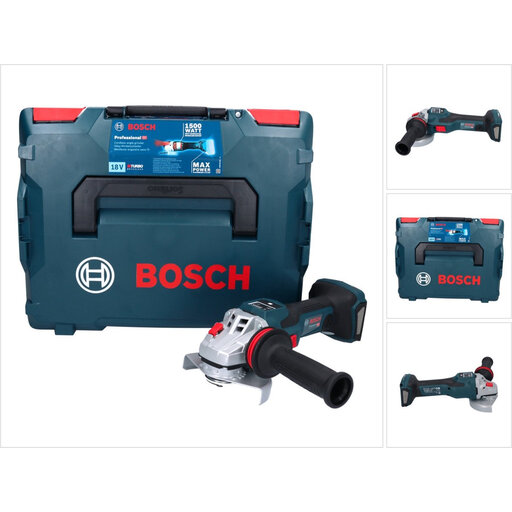
Why We Chose It: This machine combines the power of a corded model with the freedom of a cordless one. Its brushless motor, optimized for ProCORE18V batteries, delivers power that Bosch claims is comparable to a 1500W corded grinder.
Key Features:
Who It's For: The professional in construction, metalworking, or industry who needs a powerful and reliable cordless angle grinder for intensive use across various job sites.
View the Bosch GWS 18V-15 C Professional
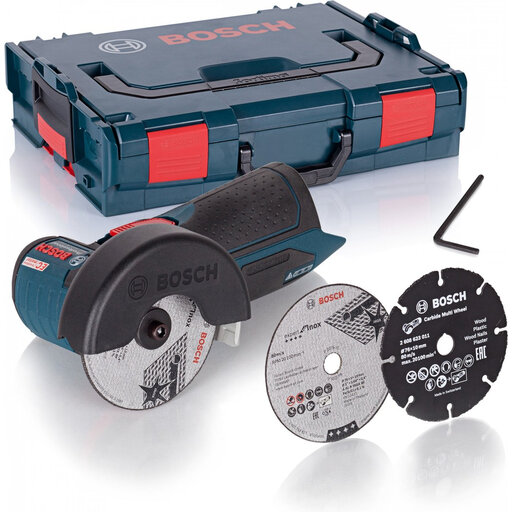
Why We Chose It: This is an extremely compact and lightweight small angle grinder. Its ergonomic design makes it ideal for quick cuts and tasks in hard-to-reach areas.
Key Features:
Who It's For: The installer, electrician, or independent contractor who needs a handy cut-off tool for quickly and precisely cutting materials like pipes, tiles, or threaded rods.
View the Bosch GWS 12V-76 Professional
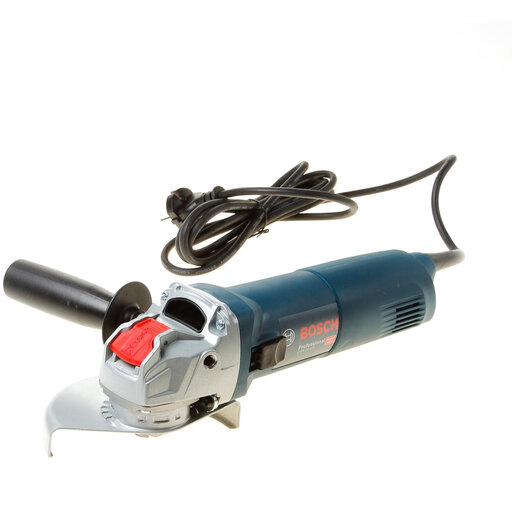
Why We Chose It: This corded angle grinder offers constant high power and is equipped with the X-LOCK click system. This allows you to change discs in seconds, without a key or any loose parts.
Key Features:
Who It's For: The workshop professional who needs to work continuously and frequently changes accessories. Ideal for serial grinding and deburring tasks.
View the Bosch GWX 14-125 Professional
Is an angle grinder, cut-off tool, or grinder not quite what you're looking for? For sanding, polishing, or finishing surfaces, a different type of tool might be more suitable. For example, consider a random orbit sander for a fine finish or a belt sander for rapid material removal.
View our full range in the electric sander category.
1. What is the difference between a Bosch Professional (blue) and a Bosch (green) angle grinder? The Bosch Professional angle grinder (blue) is designed for daily, intensive, and professional use. These machines are more robustly built, often have higher power, and are equipped with advanced technologies for durability and safety. The green line from Bosch is aimed at the DIYer for occasional use.
2. What can you do with an angle grinder? An angle grinder is a versatile tool. With the right disc, you can cut metal, stone, and concrete (as a cut-off tool), deburr weld seams, remove rust and paint (with a wire cup brush), and polish materials. The application is entirely determined by the accessory you mount.
3. How do I choose the right disc? The choice of disc depends on two factors: the material and the task. There are specific cut-off discs for metal (stainless/steel) and for stone/concrete. For deburring, you use a thicker grinding disc. Flap discs are suitable for sanding and finishing metal. Always check that the maximum speed (RPM) of the disc matches or exceeds that of your angle grinder.