
Vandaag of morgen in huis

Kwaliteit gegarandeerd

Welkomstaanbiedingen ontgrendelen: GRATIS bezorging | Tot 80% korting | Gratis 30 dagen JoyPlus-proefperiode
Download de app
Borosilicate glass kitchenware is a great choice for a kitchen where you want to store food, measure ingredients accurately and serve drinks in style. However, a product described as “heat-resistant glass” doesn’t tell you everything. Suitability for the oven, microwave, freezer or dishwasher varies from item to item, and often from one component to another.
When comparing products, look out for these common pitfalls:
Borosilicate glass is known for being relatively resistant to temperature changes. Even so, you should check what each product is designed for. Look for clear information about:
For example, the product information for the Alpina Food Storage Box, 620 ml, says that the glass container is suitable for the freezer, microwave and oven. It also states that the glass can withstand temperatures of up to 400 °C, while the polypropylene lid isn’t suitable for high temperatures. This distinction is important for any product made from multiple materials.
Also avoid sudden, extreme temperature changes. Don’t put a cold glass storage container straight into a very hot oven, and don’t place a hot dish on a cold or wet surface without checking first.
A glass product is often made from more than just glass. A storage container may have a plastic lid, a glass teapot may include a stainless steel filter, and a kettle usually has a plastic handle and an electric base.
So check:
A clear glass storage jar is handy for dry ingredients, but only a description such as “airtight” tells you what kind of seal is claimed. If in doubt, glass spice jars with a well-fitting lid are a better choice for everyday use than open decorative jars.
Rectangular glass storage containers are efficient to stack for leftovers. Slim glass bottles with pourer caps are more practical for sauces, oil and dressings. A glass measuring jug with a scale is especially useful if you bake regularly or measure liquids.
Here are some practical things to consider:
A handle, pouring spout or measuring scale can make more difference to ease of use than the material alone. When choosing everyday glass kitchen accessories, cleaning and storage space are also worth considering.
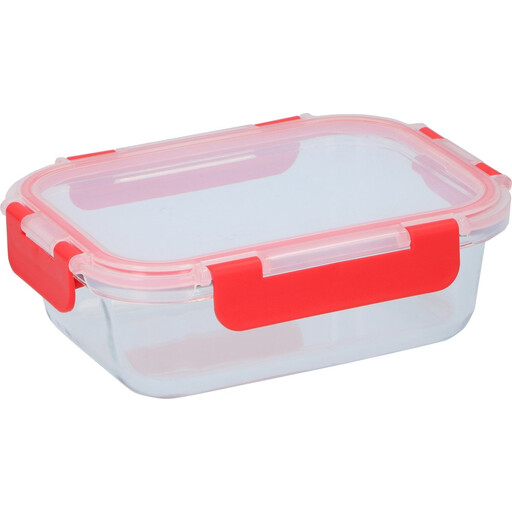
Why it suits this need: A handy size for lunch, leftovers and opened packets, without having to buy a large set straight away.
The product information distinguishes between the heat-resistant glass and the plastic lid. Remove the lid before using the container in the oven or microwave.
620 ml capacity, four locking clips, a stackable rectangular shape and product information stating that it’s dishwasher-safe.
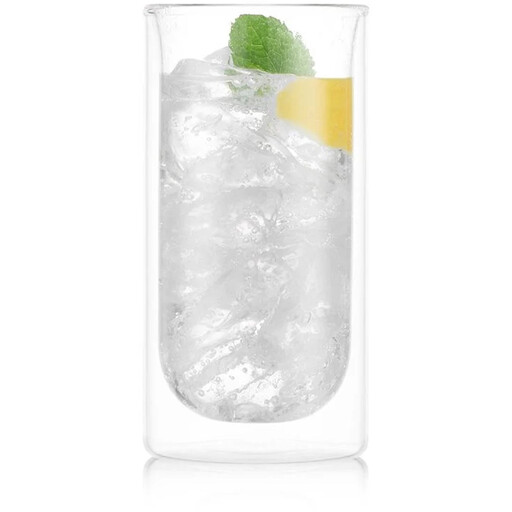
Why it suits this need: For anyone who wants to serve hot and cold drinks in double-walled glasses with an elegant finish.
The listed features explicitly describe the double-walled design and a silicone opening to regulate pressure. However, check the maximum oven temperature of 176 °C.
280 ml per glass, mouth-blown borosilicate glass according to the product description, and described as suitable for the dishwasher, freezer and microwave.
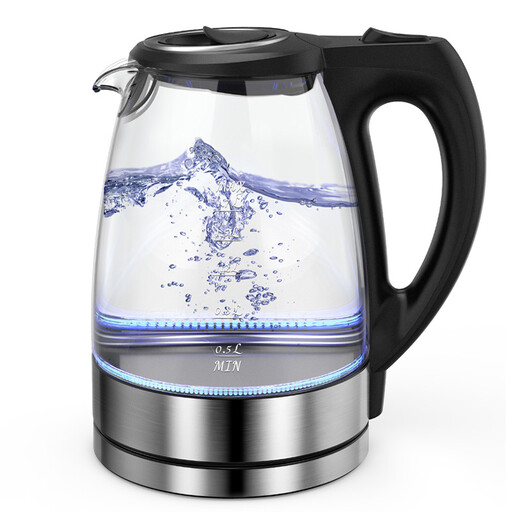
Why it suits this need: For households that regularly make several cups of tea, coffee or hot water.
The specifications list a maximum fill level, boil-dry protection and overheat protection. Never fill above the MAX mark, and let the kettle cool before cleaning.
1.7-litre capacity, 2200 W according to the product specifications, a 360° swivel base and a 304 stainless steel heating plate.
We’ve put together a complete, up-to-date list of products that meet these strict selection criteria and the current European safety requirements.
It depends on the model. Check the product information for the maximum temperature, and remove any plastic lid before putting the container in the oven. Let a cold container warm up first to avoid sudden thermal shock.
A borosilicate glass measuring jug is described as suitable for heat-resistant use, but always check the stated capacity and temperature limits. Pour hot liquids in slowly and use the handle if there is one. BJ measuring jugs are available in 350 ml and 500 ml, so you can choose the right size for your recipe.
Rinse new items before first use, and descale a glass kettle regularly. Don’t use damaged glass products, and check the rims, lids and seals. For everyday use, dishwasher-safe glass spice jars, oil bottles, storage containers and reusable glass straws are practical, as long as the product information explicitly says they’re dishwasher-safe.
