
Vandaag of morgen in huis

Kwaliteit gegarandeerd

Welkomstaanbiedingen ontgrendelen: GRATIS bezorging | Tot 80% korting | Gratis 30 dagen JoyPlus-proefperiode
Download de app
Borosilicate glass kitchenware is ideal for households that cook, bake, make coffee and store food while using as few different materials as possible. However, a transparent glass body alone says little about whether a product is suitable for the job. A measuring jug for liquids, a glass food container and a kettle each face different temperatures, stresses and maintenance requirements.
Anyone who focuses only on appearance or terms such as “extra-strong glass” could end up buying a product that is not suitable for everyday use. Below, we explain the key points to consider, followed by recommendations for different usage profiles.
Borosilicate glass is known for its low expansion when temperatures change. This makes it suitable for applications involving heat, but it does not mean that every product can move directly from the freezer to the oven without restriction. Always check the maximum temperature, the appliances the product can be used in and whether this information applies to both the glass and the lid.
According to the product description, the glass container in the Alpina food storage box can be used up to 400 °C, while the plastic lid is not suitable for high temperatures. The same distinction applies to the 5Five Keepeat oven dish: the dish is oven-safe, but the lid is not.
For example, a glass teapot may have a plastic lid and handle. A French press coffee maker often consists of glass, plastic and stainless steel. With double-walled glassware, a silicone valve also plays a role.
So do not look only at the material used for the main body. Also check:
Glass can break if it is dropped, hit hard or exposed to an unsuitable change in temperature. The term “break-resistant” does not mean shatterproof. Do not place hot glass directly on a cold, wet or very hard surface, and check the product for hairline cracks after it has been dropped.
Look for a clear mention of borosilicate glass or heat-resistant glass in the product specifications. The word “glass” on its own does not provide enough information about the type of material. For cold drinks or storage jars, the shape, seal and capacity are particularly important. For oven use, the temperature limit and the lid are decisive factors.
A glass baking dish must also be large enough for your recipe and fit inside your oven. A small kitchen may benefit more from a compact dish or stackable glass food container than from one large dish.
Choose the capacity based on how you normally use it:
Also check the external dimensions. A 32 × 21 cm food container requires more cupboard space than a compact rectangular container.
Dishwasher compatibility is convenient, but check whether this applies to the complete product. With some products, only the glass section may be placed in the dishwasher. Allow a glass kettle to cool down before cleaning it and remove limescale according to the care instructions.
With double-walled glassware, pay particular attention to the valve on the base. According to the product description, this component helps regulate the air pressure between the glass layers. If the component is damaged or comes loose, stop using the glassware.
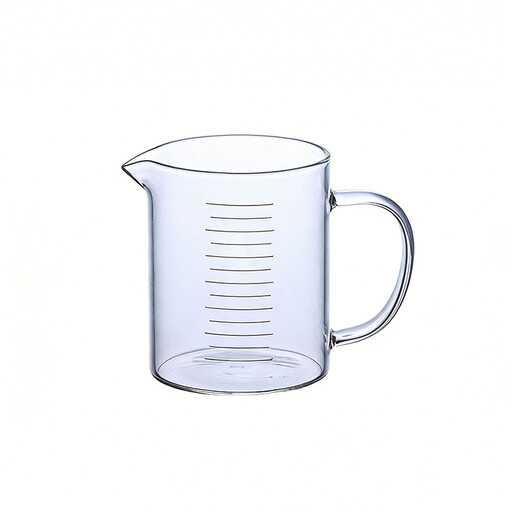
Why it suits this profile: A compact choice for anyone who wants to start using borosilicate glass kitchenware and mainly measures small quantities.
The 350 ml capacity is clearly specified, so you do not need to buy a larger model for small kitchen tasks.
Compact size and a borosilicate glass body for everyday measuring.
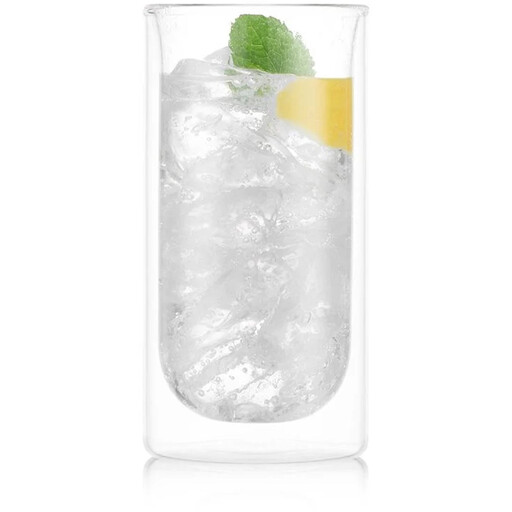
Why it suits this profile: Ideal for anyone who wants to serve coffee, tea, cold drinks and desserts in the same type of glass.
The product description specifies the material, double wall and a clear maximum oven temperature of 176 °C.
280 ml per glass, double-walled borosilicate glass and, according to the product description, suitable for the dishwasher, microwave, freezer and oven up to 176 °C.
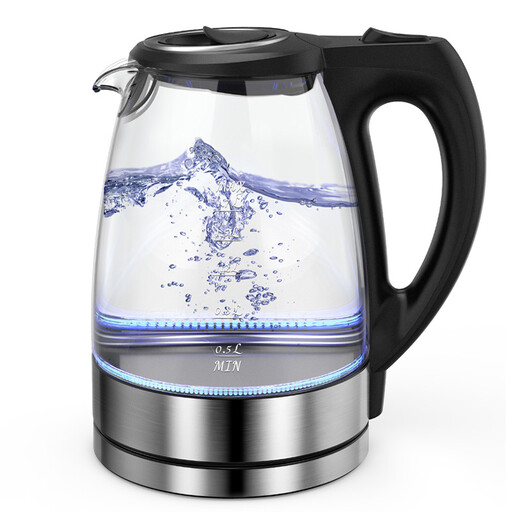
Why it suits this profile: A practical option for households that boil several cups of water every day for tea, coffee or other hot drinks.
The specifications state the capacity, power, boil-dry protection, overheating protection and automatic shut-off.
1.7-litre capacity, 1850–2200 W according to the stated version, 360° swivel base and a stainless steel heating plate.
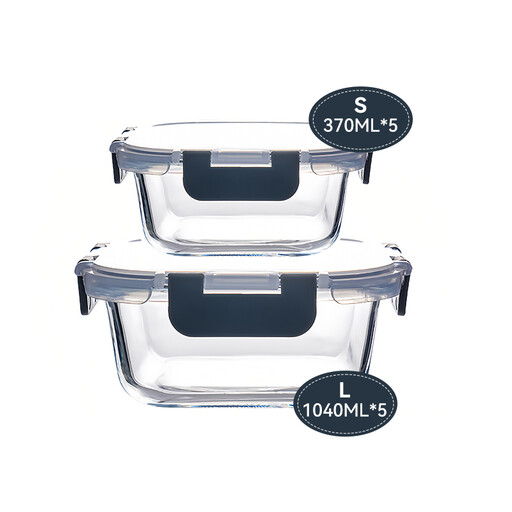
Why it suits this profile: Convenient for anyone who prepares several portions at once and needs different sizes for home or the office.
The set includes five 1040 ml containers and five 370 ml containers, allowing you to assess the capacity and arrangement in advance.
Ten sizes in one set and snap-lock lids; however, check the temperature and dishwasher information for each component before buying.
We have put together a complete, up-to-date list of products that fully meet these strict selection criteria and the applicable European safety regulations.
For tea, the Bodum Chambord glass teapot is an option with a 1-litre capacity, a stainless steel filter and a plastic handle and lid. The product description states that the pot is dishwasher-safe. For coffee, there are several options: the Bodum Brazil French press has a 1-litre capacity and a stainless steel plunger, while the TIMEMORE Glass Crystal Eye V02 is designed as a coffee dripper for one or two cups.
For dry ingredients, glass storage jars with airtight seals are a practical choice. Check the capacity, seal and amount of space the jar takes up in a kitchen cupboard. A glass baking dish is particularly useful when you want to use one dish for preparing, serving and storing food, but pay close attention to the separate oven limit for the lid.
That depends on the specific product. Check the maximum temperature and the instructions for use. Some dishes have a stated limit of around 400 °C, while double-walled glassware may have a lower limit. A plastic lid generally must not be placed in the oven.
Not automatically. Although some food containers are described as suitable for both the freezer and microwave, a sudden change in temperature remains a concern. Ideally, allow frozen food to thaw slightly first and always check the product instructions.
Its lifespan depends on how it is used, maintained and whether it has suffered any damage. Borosilicate glass is not shatterproof. Avoid hard knocks, check glassware for cracks and do not use a product with a damaged rim. Clean components using the stated method and replace the food container when the seal or glass can no longer be relied upon.
