
Vandaag of morgen in huis

Kwaliteit gegarandeerd

Welkomstaanbiedingen ontgrendelen: GRATIS bezorging | Tot 80% korting | Gratis 30 dagen JoyPlus-proefperiode
Download de app
A glass measuring jug that cracks when filled with hot water, a storage container whose lid warps or a kettle with unclear safety features: the wrong choice can quickly cost you more than just the purchase price. Borosilicate glass kitchen products are suitable for many applications, but the material alone does not tell you everything about how a product can be used.
When buying, pay particular attention to the stated temperature limits, capacity, accessories and care requirements. Below, you’ll find what to look out for when cooking, baking, making coffee, preparing tea and storing food.
Borosilicate glass is designed to withstand temperature changes better than ordinary glass. That does not mean it cannot break. A cold glass dish placed straight into a very hot oven, or a hot measuring jug placed on a wet, cold worktop, can still become damaged.
Always check:
For example, the Alpina storage container states that the glass dish is suitable for use in the oven, microwave and freezer up to the specified temperature limit, but that the polypropylene lid must not be placed in the oven or microwave. According to the product information, the glass can withstand temperatures of up to 400 °C. Always use the instructions for the specific product as your starting point.
A 350 ml measuring jug is useful for small quantities of milk, oil or sauce. For batter or several ingredients, a 500 ml borosilicate glass measuring jug may be more practical. A 1.7-litre kettle is useful for several cups, but a larger reservoir also takes up more space and uses more energy when filled completely.
So consider how you use the product every day, rather than simply choosing the largest capacity. An oversized jug or storage container can be inconvenient in a Dutch kitchen with limited cupboard space.
With glass products, the additional materials often determine how easy the product is to use. These may include:
A package containing several components is not automatically better value. Check whether all the parts are dishwasher-safe and whether replacements are available.
Borosilicate glass is known for its relatively good resistance to temperature changes. Even so, oven, microwave, freezer and dishwasher claims should be checked for each model. For example, a glass oven dish may be suitable for use in the oven while the supplied lid is not.
Also pay attention to combinations of materials. A glass teapot may have a plastic handle and lid. A glass kettle often has a stainless steel heating plate and plastic components. These parts may have different care or temperature limits from the glass itself.
For everyday use, a clear measuring scale, sturdy handle and stable base are more important than an eye-catching design. In a glass teapot, a filter with enough space for the tea leaves to expand is useful. With a glass coffee dripper, the filter size and number of cups determine the correct amount of coffee.
For storage containers, stackability, the seal and dimensions are practical considerations. A rectangular container often makes more efficient use of refrigerator shelves than a round one. For herbs and spices, a glass spice jar with a tightly sealing lid is useful because you can see the contents and clean the jar easily.
Glass generally does not absorb smells or colours in the same way as some plastics. However, coffee, tea and spices can still leave deposits. Rinse products after use and allow them to dry thoroughly. For double-walled glasses, check whether the underside and silicone valve need to be treated in accordance with the care instructions.
Glass straws deserve extra attention: use the supplied brush and check for damage before use. Do not put a glass product back in the cupboard if there is a chip on the rim.
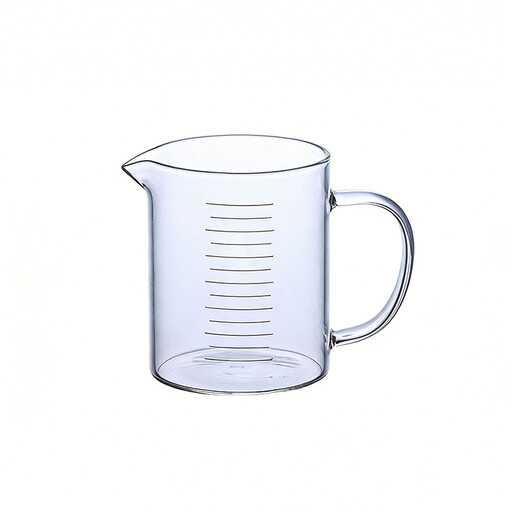
Why it suits this profile: A compact choice for small portions, sauces and simple baking recipes. The glass construction lets you see the contents while measuring.
The 350 ml capacity means you do not need to use an unnecessarily large jug for small quantities. Before using it with hot ingredients, check the supplied instructions.
Compact size and borosilicate glass according to the product listing.
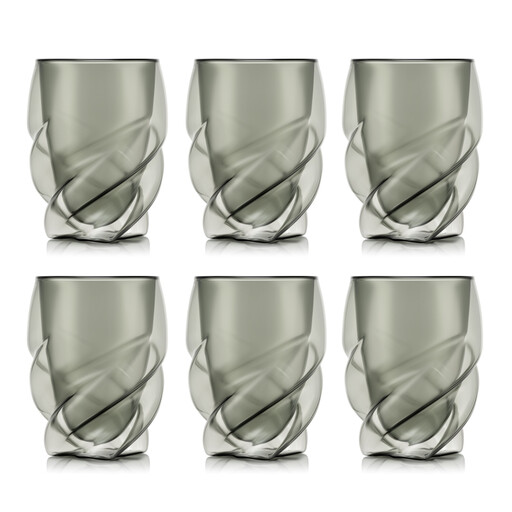
Why it suits this profile: Ideal for anyone who wants to serve coffee, tea, cold drinks and desserts in the same type of glass. The set contains six 270 ml glasses.
The product information states that a silicone ventilation opening regulates the air pressure between the layers of glass. This makes the construction clearer than that of generic double-walled glasses.
According to the product information, suitable for the dishwasher, microwave, freezer and oven up to 180 °C.
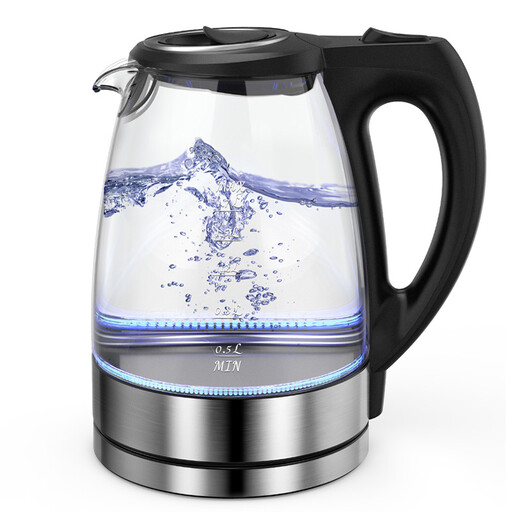
Why it suits this profile: A suitable option for households that boil several cups of water at a time for tea, coffee or hot water.
The specifications list a 1.7-litre capacity, boil-dry protection and automatic switch-off. Do not fill the kettle above the MAX mark.
High-borosilicate glass body, 304 stainless steel heating plate, 360° swivel base and a power rating of 1850–2200 W according to the product information.
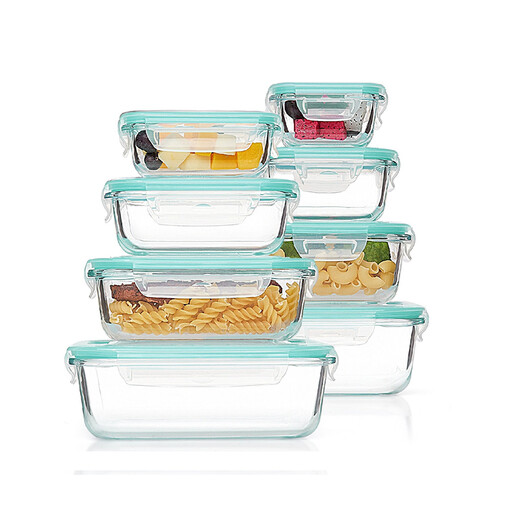
Why it suits this profile: The combination of different rectangular sizes is practical for leftovers, packed lunches and meal preparation.
A set with several sizes means you do not need to buy a separate container for every portion. Check the seal on each lid and use the lids only within the stated temperature limits.
Eight rectangular borosilicate glass storage containers with sealing lids, according to the product listing.
We have compiled a complete, up-to-date list of products that fully meet these strict selection criteria and the applicable European safety regulations.
For tea, a glass teapot with a stainless steel filter is useful when you want to be able to see how strong the tea is. The Bodum Chambord has a 1-litre capacity and a filter according to the product information.
For coffee, you can choose between a French press coffee maker and a glass coffee dripper. A 1-litre French press is suitable for several cups; a dripper for one or two cups takes up less space and uses loose filter coffee.
A glass oven dish is practical for baking, gratins and storage, provided the temperature limit and use of the lid are clearly stated. For drinks, glass straws are reusable, but they must be cleaned with a suitable brush. A glass spice jar helps you keep track of your supplies and takes up little space on a shelf.
This varies from product to product. Check the product information and do not use a glass dish if it is damaged. Plastic lids are often not suitable for use in the oven or microwave, even when the glass dish itself is.
Their lifespan depends on how they are used, cleaned and handled. Borosilicate glass can withstand temperature changes better than standard glass, but it is not shatterproof. Avoid hard knocks, sudden temperature changes and using damaged products.
The purchase price can vary. Glass is heavier, but generally absorbs fewer smells and colours. So do not compare the price alone; also consider the capacity, stackability, seal, dishwasher and oven suitability, and the cost of any replacement lids.
