
Vandaag of morgen in huis

Kwaliteit gegarandeerd

Welkomstaanbiedingen ontgrendelen: GRATIS bezorging | Tot 80% korting | Gratis 30 dagen JoyPlus-proefperiode
Download de app
Bone conduction headphones can be comfortable to wear when running, cycling or working. Your ears stay largely uncovered, so you can still hear the sounds around you. However, many models look similar in product titles, even though they can differ significantly in water resistance, fit and storage.
If you focus only on terms such as “AI”, “noise cancelling” or “sports design”, you risk buying a model that isn’t suited to your routine. Below, we cover the main pitfalls, technical details and popular options for different types of user.
An IPX4 rating is designed to protect against sweat and light splashes. That makes a model suitable for the gym, commuting or a short run in light rain, but not for submersion.
For swimming, you need a higher rating, such as IPX7, IPX8 or IP68, depending on the official specifications and instructions for use. Also check whether the headphones have a dedicated swimming mode or built-in MP3 storage. Bluetooth generally doesn’t work underwater in the same way as it does above water. That’s why waterproof swimming headphones with MP3 storage are more practical than a Bluetooth model that streams audio only from a smartphone.
The term can refer to active noise cancellation, sound isolation or algorithms that make phone calls clearer. With open-ear headphones, you can normally still hear the sounds around you. That’s useful in traffic, but it also means music may sound less immersive on a busy train or in a crowded gym.
So, check the exact description. If it only says “noise reduction” or “sound isolation”, that’s not the same as a fully enclosed listening experience. For running and cycling, open-ear headphones may be a deliberate choice.
An ear hook, clip-on fastening or titanium frame can help keep headphones in place while you move, but the pressure will feel different for each person. Consider the weight and materials, and how the headphones sit around or on your ear. A model that feels light on paper may still be uncomfortable with glasses or a helmet, or during a longer training session.
Check not only the IP rating, but also the charging instructions. Make sure the magnetic charging contacts are completely dry before connecting the cable. After using swimming headphones in chlorinated or salt water, rinse them with fresh water and let them dry completely.
Key differences:
A Bluetooth sports headset relies on a stable connection to your phone. Check the Bluetooth version, stated range and whether multipoint is supported. Multipoint can be useful if you switch between a laptop and smartphone.
For swimming, MP3 storage is important. Models with, for example, 32 GB of built-in memory can store music locally, so you don’t need an active Bluetooth connection while swimming. Check how music is transferred to the device and which file formats it supports.
When looking at battery claims, distinguish between playback time per charge and total battery life with the charging case. Volume, call time and the use of extra features can also affect real-world battery life.
With bone conduction technology or a similar open-ear design, your ears aren’t fully covered. This can be more comfortable for commuting, the office and outdoor sports. However, the listening experience differs from that of wireless earbuds with silicone tips that seal the ear canal. Bass may sound less prominent, and background noise can affect how clearly you hear the audio.
Always use a suitable volume and take breaks if you listen for long periods. Manufacturers warn against prolonged use at high volume with these products.
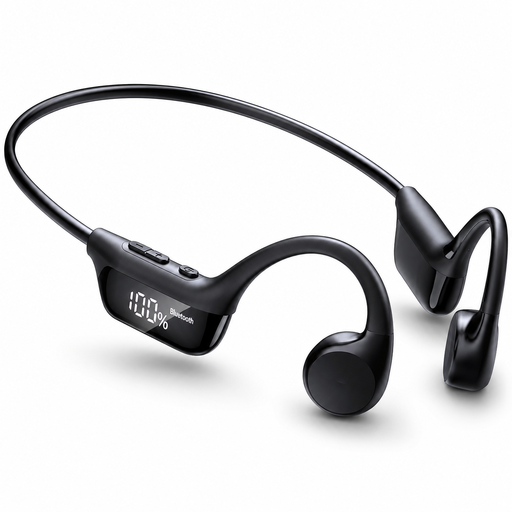
Why it suits this type of user: This model combines an open-ear design with a claimed 12-hour battery life, a microphone and IPX7 water resistance. It’s aimed at everyday use, running and gym workouts, without being a dedicated swimming model.
The water rating is more specific than simply calling it a “sports headset”. Be sure to check the manual before submerging the device.
Bluetooth 6.0, a claimed 12-hour battery life, a microphone and a secure fit for sport.
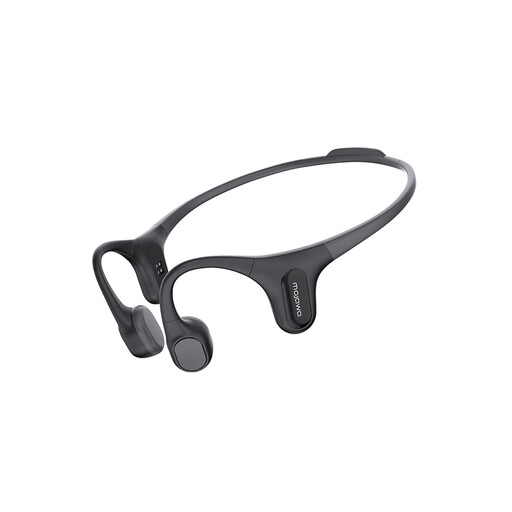
Why it suits this type of user: According to the product information, this model has 32 GB of MP3 storage, IP68 water resistance and a design intended for swimming, running, cycling and gym workouts.
The combination of IP68 and local storage addresses two common issues: uncertainty about water use and Bluetooth dropping out while swimming.
32 GB of built-in storage, an IP68 rating and support for swimming and running.
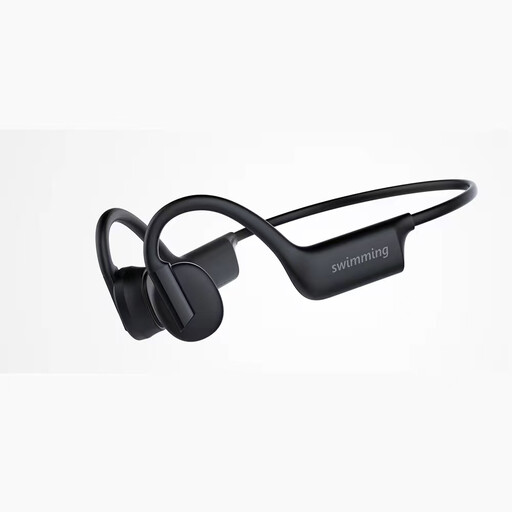
Why it suits this type of user: According to the product description, the X7S offers 32 GB of memory, a claimed 8-hour battery life, an ear-hook design and IPX8 water resistance for swimming and sport.
The stated storage capacity lets you listen without a phone. Before using it in a swimming pool or open water, always check the manufacturer’s conditions.
32 GB of memory, IPX8 according to the product specifications, and support for calls and music.
We’ve put together a complete, up-to-date list of products that meet these strict selection criteria and the applicable European safety requirements.
Choose bone conduction headphones if you want to keep your ears free while exercising and find a secure ear hook or neckband comfortable. Open-ear headphones with a clip-on design may suit the office, walking and commuting.
Wireless earbuds with silicone tips seal the ear canal more effectively. This can give you a different bass response and sound isolation, but you’re less likely to hear background noise naturally. Models such as the Sony WF-C510 include features such as IPX4, multipoint and a claimed total battery life of 22 hours. This makes them a good choice for everyday use and light exercise, but not for swimming.
Noise-cancelling headphones are most useful when you want to reduce background noise. For cycling or running in busy traffic, an open design may be more practical. No listening mode is a substitute for staying alert in traffic.
Only if the manufacturer says the model is suitable and its water rating is appropriate. Bluetooth streaming from a smartphone is limited underwater. For swimming, it’s best to choose a model with built-in MP3 storage and check the manual for instructions on using the charging contacts and controls.
That depends on charging cycles, exposure to moisture, storage and how intensively you use them. Clean and dry your headphones after swimming or heavy sweating, before charging them. Don’t leave them for long periods in a hot car or damp sports bag. The stated battery life is a guide to use, not a guarantee of the product’s overall lifespan.
Many models have a built-in microphone and support Bluetooth calls. Call clarity can vary depending on wind, traffic and microphone quality. If you often make calls outdoors, look for multiple microphones and call noise reduction, but treat claims about these features as product specifications, not guaranteed results.
