
Vandaag of morgen in huis

Kwaliteit gegarandeerd

Welkomstaanbiedingen ontgrendelen: GRATIS bezorging | Tot 80% korting | Gratis 30 dagen JoyPlus-proefperiode
Download de app
Bone conduction headphones leave your ear canals open. That’s useful when running, cycling or walking, as you can hear your music alongside the sounds around you. However, not all models are the same. Some use genuine bone conduction, while others are open-ear headphones with speakers positioned near the ears.
So the most important question isn’t just which features are listed on the packaging, but whether the model suits your sport, fit and intended use.
With genuine bone conduction, the transducers usually sit near your cheekbones. Sound is transmitted through vibrations, without an earbud sitting in your ear canal. An open-ear model, by contrast, may use small speakers positioned next to your ears.
Both designs let in ambient sound, but the listening experience is different. Check the specifications for bone conduction, open-ear speaker or a similar product description. A Bluetooth sports headset with an ear hook isn’t automatically a wireless bone conduction headset.
IPX4 is designed to protect against sweat and splashes. IP67 and IP68 offer greater protection against water according to the product classification, but the exact test conditions vary. Check whether the manufacturer specifically mentions swimming, and whether that means fresh water, pool water or sea water too.
Models designed for swimming often also need MP3 storage. Bluetooth has limited range underwater, so streaming from a phone usually isn’t practical. Always dry the charging contacts completely before connecting a magnetic cable.
Terms such as “AI headphones”, voice assistant and AI translation can sound appealing. Check what the feature actually does, which app it works with and whether it needs an internet connection. For example, according to the product description, the Sanag S7S offers open AI translation. This is a manufacturer-stated feature, not a guarantee of any particular translation accuracy.
For running, headphones should stay securely in place without putting pressure on your temples or cheekbones. A model with an ear hook or flexible band may stay put better while you’re moving, but could be less comfortable with glasses, a helmet or sunglasses.
Look out for:
A comfortable over-ear headset won’t automatically suit everyone. Consider the pressure points and the space around your ears when choosing.
Use the IP rating as a technical guide, not a blanket promise. A model with IPX4 is more suited to fitness and everyday use in light rain. For swimming, products with a dedicated swimming mode, MP3 storage and a higher water-resistance rating make more sense.
After using a product in chlorinated or salt water, rinse it with fresh water if the instructions recommend this. Only charge it once the connections are dry. Water resistance may decrease with wear, drops and age.
Bluetooth is suitable for music, podcasts and calls when your phone is nearby. For a long swimming session, internal storage is more practical. Check:
Bear in mind that a stated maximum battery life is a product specification. Actual battery life varies depending on volume, connection and temperature.
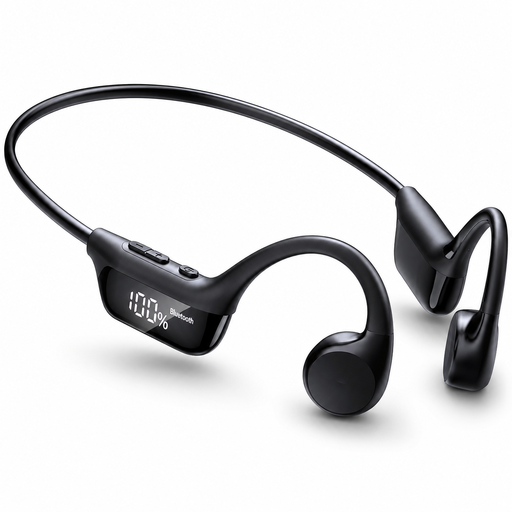
Why it suits this profile: The stated Bluetooth 6.0, 12-hour battery life and IPX7 rating make this a good fit for everyday sport, walking and fitness, without the need for internal storage.
The specifications give a specific water-resistance rating and battery life, so you don’t have to rely on vague terms such as “sport”.
Bluetooth 6.0, a stated battery life of 12 hours and IPX7, according to the product information.
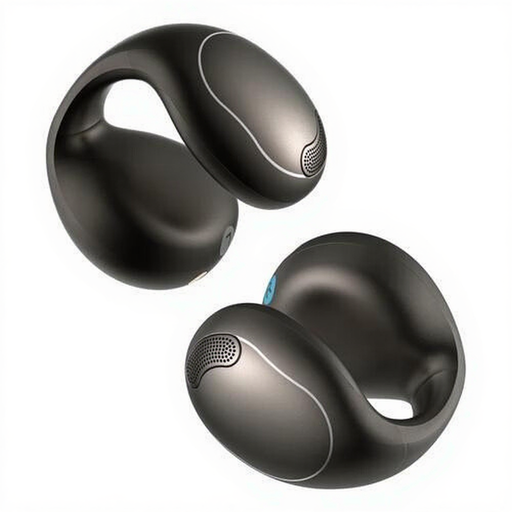
Why it suits this profile: This open-ear model is designed for calls, music, sport and everyday use. It’s a good choice if you’re looking for one pair for commuting and light workouts.
The product information clearly states that it’s open-ear, with Bluetooth 5.4 and IPX4. This makes it easier to understand what it’s suitable for than an unspecified claim of water resistance.
Bluetooth 5.4, two microphones, button controls and IPX4, according to the product specifications.
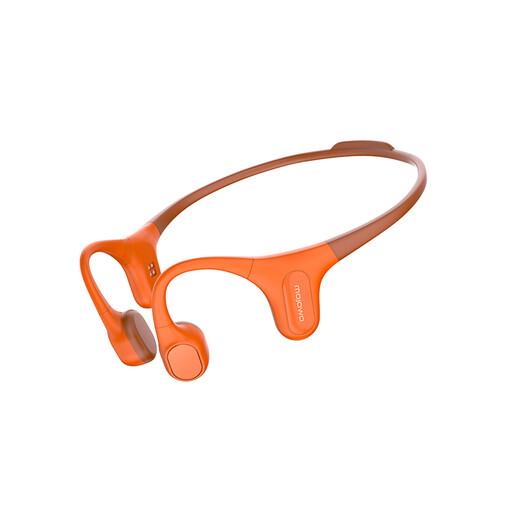
Why it suits this profile: Internal storage is useful for swimming, running and cycling. This model lists 32 GB of storage and IP68, as well as Bluetooth.
The storage means you don’t have to rely on a Bluetooth connection while swimming. Check the instructions for the exact swimming conditions, though.
32 GB of built-in MP3 storage and IP68, according to the product information; designed for activities including swimming and running.
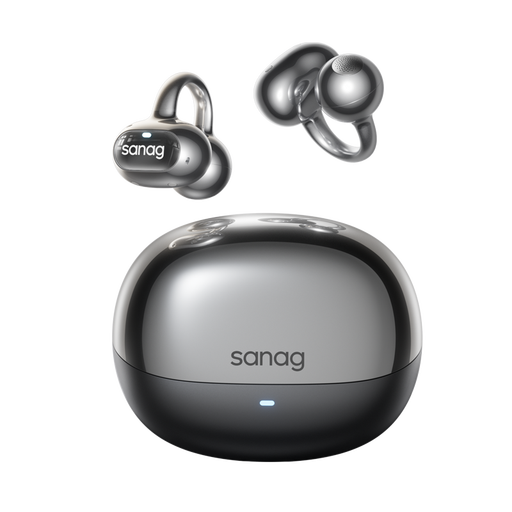
Why it suits this profile: The ear-clip and open-back design are made for listening without earbuds in your ear canals, for example when walking, cycling or doing light exercise.
The instructions explain where the transducers should rest and warn you not to ignore traffic or other sounds around you.
Open-back ear-clip design, Bluetooth and touch controls, according to the product description.
We’ve put together a complete, up-to-date list of products that meet these strict selection criteria and current European safety regulations.
They can be, as they don’t completely cover your ears. This means you can still hear sounds around you. Don’t turn the volume up so high that you miss traffic, sirens or other warnings. When cycling, you should also follow the rules of the road.
Only if the product is specifically designed for swimming. Look for a suitable IP rating, swimming mode and MP3 storage. Bluetooth streaming from a phone generally doesn’t work underwater as it does on dry land. Always follow the instructions and only charge the device once it’s dry.
How long they last depends on the battery, charging habits, sweat, water and temperature. A model may last longer if you clean it after exercise, store it somewhere dry and avoid putting it away with a flat battery. It’s normal for battery capacity to decrease over time. Use a lower volume and take breaks to limit prolonged listening.
