
Vandaag of morgen in huis

Kwaliteit gegarandeerd

Welkomstaanbiedingen ontgrendelen: GRATIS bezorging | Tot 80% korting | Gratis 30 dagen JoyPlus-proefperiode
Download de app
A bone conduction swimming headset sounds simple: waterproof, wireless and ready for training. In practice, three details in particular make the difference between a useful sports accessory and a purchase that ends up unused in a drawer.
The first potential pitfall is Bluetooth in the pool. Bluetooth works only to a limited extent underwater, so music from a smartphone may cut out while you are swimming lengths. A model with an integrated MP3 player and internal storage is therefore often more practical for swimming.
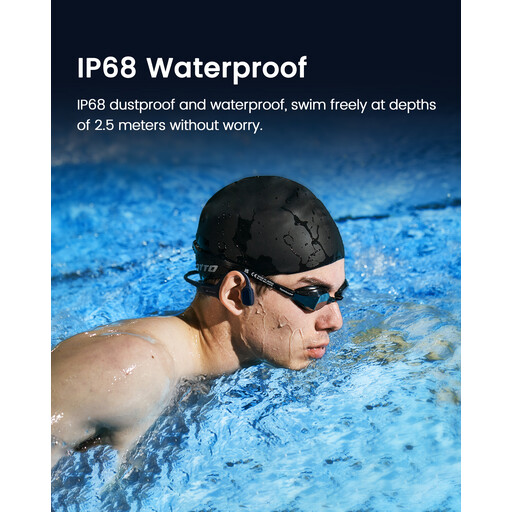
The second potential pitfall is misinterpreting a water-resistance rating. IP67 is suitable for dust, sweat and temporary immersion under specified conditions, but that does not automatically mean a product is designed for prolonged swimming. For swimming, shoppers generally look for a higher level of water resistance, such as IP68, or a swimming mode specified by the manufacturer.
The third potential pitfall is wearing comfort. An open-ear sports headset does not completely seal the ear canal, but the fit around your head and the pressure points near your cheekbones determine whether it remains comfortable during a long training session.
The IP code consists of numbers indicating protection against dust and water. On an IP68 waterproof headset, the first number refers to dust protection and the second to protection against water under specific test conditions.
Pay attention to these points:
Water resistance is not an excuse to skip maintenance. Drying, cleaning and storing the headset correctly can help limit moisture problems and corrosion of the charging contacts.
For running, cycling and working out, Bluetooth is usually convenient: you pair the headset with your phone and stream music, podcasts or phone calls. Underwater, that connection is less practical. A Bluetooth swimming headset with internal storage can therefore offer two operating modes:
A model with 32GB of storage provides more room for music and podcasts than a version with, for example, 8GB. However, check which file formats are supported and how files are transferred to the headset. An integrated music player does not work in the same way as streaming from Spotify or another service.
A bone conduction model generally rests on a band behind your head and uses open-ear speakers near your temples. Check the following:
Do not use a headset at high volume for prolonged periods. According to the safety information for the products mentioned, prolonged listening at high volume can cause hearing damage or fatigue. Always follow the instructions for the model you choose.
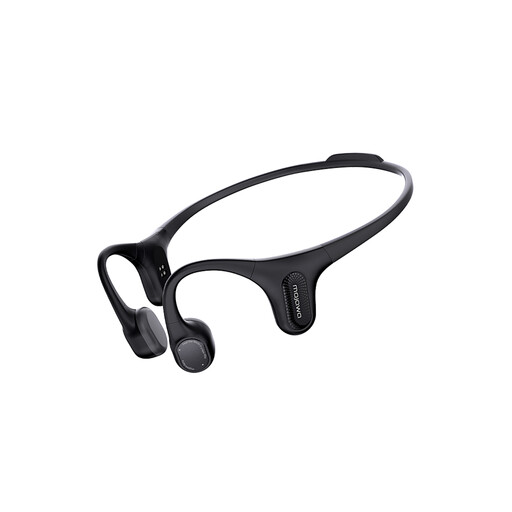
Why it suits this profile: This open-ear model is designed for running, cycling and general workouts. The product information mentions Bluetooth, a microphone and an IP67 rating for sweat and rain.
Its intended use is more clearly defined: suitable for outdoor sport and gym sessions, but not automatically a choice for swimming. This prevents IP67 from being interpreted as a swimming certification.
Open-ear design, Bluetooth connectivity and a built-in microphone: a practical headset for running and cycling.
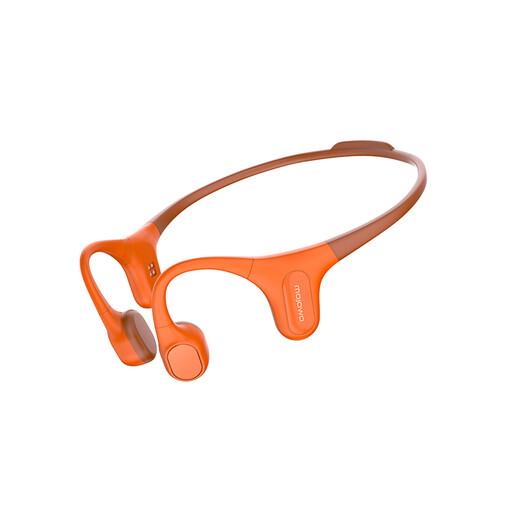
Why it suits this profile: The combination of open-ear bone conduction, Bluetooth, a microphone and 32GB of MP3 storage suits users looking for one device for commuting, training and swimming.
The 32GB storage reduces reliance on Bluetooth in the water. Before buying, however, check the exact IP rating and swimming requirements in the current product information.
32GB of internal storage, open-ear design, Bluetooth and a microphone for a range of sporting activities.
Why it suits this profile: This model lists IP68 water resistance, 32GB of built-in storage and use for swimming, running, cycling and gym workouts.
The combination of a stated swimming use, IP68 and MP3 storage tackles the two most common problems: unclear water suitability and Bluetooth dropouts underwater.
IP68 according to the product listing, 32GB of storage and open-ear wireless controls for swimming and other training sessions.
We have put together a complete, up-to-date list of products that fully meet these strict selection criteria and the applicable European safety regulations.
A headset for running or cycling does not need the same level of water protection as a swimming model. For outdoor use, open-ear comfort, a secure ear hook and awareness of your surroundings are often more important. When cycling, also check that you can continue to hear traffic sounds clearly, and do not use active noise cancellation in traffic.
For the gym, wireless sports earbuds or an open-ear model are both possible options. According to the product information for one model, earbuds with IPX5 can offer protection against sweat and rain, but they are not designed to be submerged. A model with an integrated MP3 player is particularly useful if you want to train without your phone.
Not reliably over longer distances. Water disrupts Bluetooth connections more quickly than air does. For swimming, therefore, it is best to choose a model with internal storage and use MP3 mode. Bluetooth remains useful above water, for example when running or cycling.
That depends on how it is used, charging habits, the seals and maintenance. Rinse away chlorinated or salt water with fresh water, dry the device completely and never charge it while the contacts are damp. Store the headset in a dry place and avoid extreme temperatures. The IP rating does not guarantee an unlimited service life.
The storage itself generally does not involve monthly streaming fees. However, you will need to transfer music or podcasts to the device in advance. For Bluetooth streaming, you need a paired phone and usually an active internet connection or streaming service. So, focus mainly on your own training routine: swimming without your phone requires internal storage, while Bluetooth is often sufficient for everyday sport.
