
Vandaag of morgen in huis

Kwaliteit gegarandeerd

Welkomstaanbiedingen ontgrendelen: GRATIS bezorging | Tot 80% korting | Gratis 30 dagen JoyPlus-proefperiode
Download de app
Music can make or break a workout. But for swimmers, runners, and cyclists, finding the right audio solution is often a challenge. Earbuds that fall out, water damage after a few laps, or the unsafe feeling of being cut off from traffic. Sound familiar?
A bone conduction headphone, or another type of open-ear earbud, could be the solution. This technology leaves your ears open, allowing you to enjoy both your music and your surroundings. For swimmers, there are models that are fully waterproof and play music without needing a phone.
As a Joybuy Product Recommendation Officer, I'm here to help you make the right choice. In this guide, we'll review the key specifications and present a selection of popular models for various sports.
Before you make a decision, there are a few technical specifications that can mean the difference between a mismatched purchase and the perfect training partner.
The IP (Ingress Protection) rating indicates how well a device is protected against water and dust. This is crucial for sports headphones.
How you play your music is just as important as the waterproofing, especially for swimmers.
Sports headphones must stay securely in place, no matter how intense your workout. Open-ear earbuds, like bone conduction models, rest on your cheekbones and leave your ear canal open. This offers two advantages: comfort (no pressure in your ears) and safety (you can hear ambient sounds like traffic).
Based on the criteria above, we have selected several models suitable for different types of athletes.
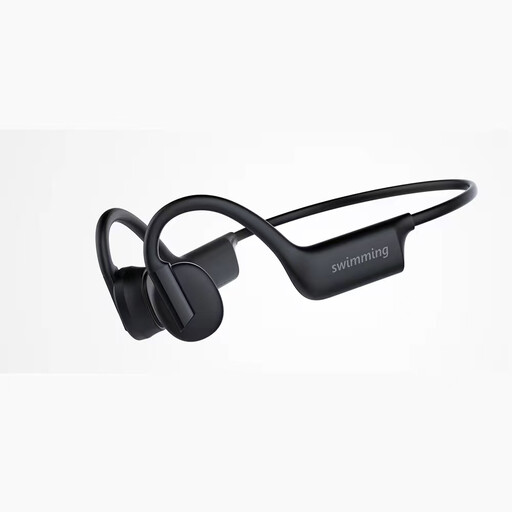
Why it stands out: The complete audio solution for swimmers.
The Verbex X7S combines the two most important features for swimming: a high waterproof rating and a built-in music player. This makes it a practical choice for anyone who trains in the water.
Key features:
Who is it for? For serious swimmers, triathletes, and endurance athletes who need a reliable, phone-free audio solution for their training sessions.
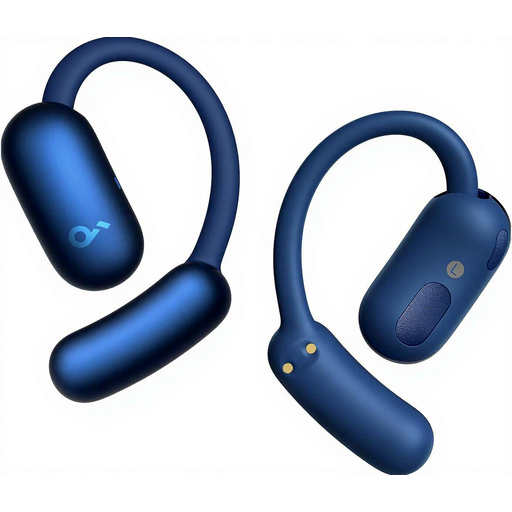
Why it stands out: A comfortable and lightweight open-ear design for land-based sports.
The Soundcore AeroFit 2 is not a bone conduction model, but an open-ear headphone that directs sound towards your ear without blocking the ear canal. This ensures a comfortable fit and keeps you aware of your surroundings.
Key features:
Who is it for? For runners, cyclists, and fitness enthusiasts looking for high-quality open-ear headphones for music and calls, with an emphasis on comfort and safety.
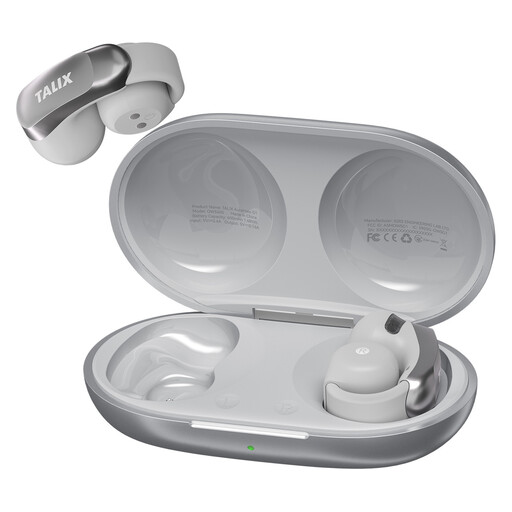
Why it stands out: A minimalist and ultra-light clip-on design that you can barely feel.
These earbuds from TALIX clip onto your outer ear, leaving your ear canal completely open. Weighing only 5.2 grams per earbud, they are designed for maximum comfort.
Key features:
Who is it for? For athletes and commuters who want a discreet, comfortable open-ear solution for both music and calls, and who value a lightweight design.
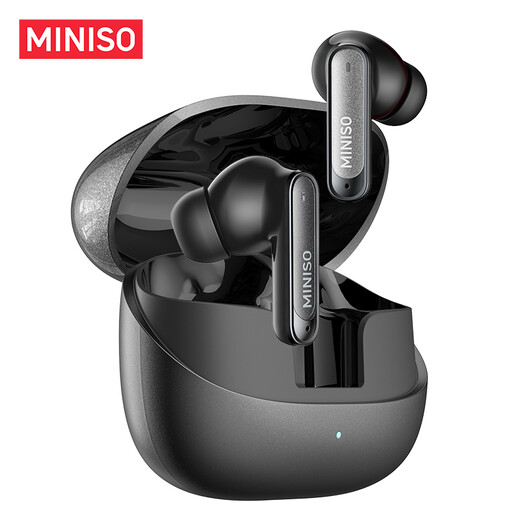
Why it stands out: Traditional earbuds with noise cancellation for those who want to tune out.
Unlike the other models, these are traditional in-ear earbuds. They are a great choice for athletes who train in a controlled environment (like a gym) and want to block out ambient noise for maximum focus.
Key features:
Who is it for? For athletes who train at the gym or on a safe route and want to fully immerse themselves in their music or podcast by blocking out environmental noise.
The world of sports audio is vast. If the models above don't perfectly meet your needs, there are many more options available. Perhaps you're looking for a different fit, a specific colour, or another price point.
Explore our full range of waterproof earbuds and find the perfect companion for your workout.
1. Can I really swim with bone conduction headphones? Yes, you can, but only with a model specifically designed for swimming. Look for two key features: an IPX8 waterproof rating and built-in memory (MP3 player). Bluetooth does not work underwater, so a Bluetooth-only model is unsuitable for the pool.
2. Are open-ear earbuds safer in traffic? Yes, open-ear models (like bone conduction or the AeroFit) leave your ear canal unobstructed. This allows you to remain aware of ambient sounds such as approaching traffic, bicycle bells, or other warnings. This significantly increases safety while running or cycling on public roads.
3. What is the advantage of built-in memory on headphones? The main advantage is that you don't need a phone to listen to music. For swimmers, this is essential. For runners and other athletes, it can be a huge convenience: you can leave your phone at home and still enjoy your favourite playlists, resulting in a lighter and more focused workout.
