
Vandaag of morgen in huis

Kwaliteit gegarandeerd

Welkomstaanbiedingen ontgrendelen: GRATIS bezorging | Tot 80% korting | Gratis 30 dagen JoyPlus-proefperiode
Download de app
Bone-conduction headphones for sport can be a handy choice if you want to listen to music, podcasts or phone calls without blocking your ear canals. However, many models look similar in adverts. A low price doesn’t tell you much about comfort, and claims such as “waterproof”, “AI” and “noise cancelling” are worth checking carefully.
A model with an IPX5 or IP67 rating may offer protection against sweat, splashes or rain, depending on the manufacturer’s exact specifications. That doesn’t automatically mean you can use it for swimming. So check:
Bluetooth usually has limited functionality underwater. So, for swimming headphones, built-in storage is often more important than a wireless connection alone.
With traditional bone-conduction headphones, the transducers usually rest near the cheekbones. Sound is transmitted through vibrations, without an earbud sitting in the ear canal. Open-ear headphones can also use small speakers positioned beside or above the ear, rather than traditional bone conduction.
So check the design and fit. An ear-clip model can feel different from one with a band that goes behind your head. For running and cycling, a secure fit matters more than a long list of features.
A product page may list features such as AI translation, voice control or noise cancelling. How well they work in practice depends on the software, phone, app, language support and listening mode you choose. According to the product information, the Sanag S7S offers open AI translation. Before buying, check which languages and features are actually supported.
With an open design, you can still hear your surroundings. That can be useful in traffic, but headphones with noise cancelling won’t work in the same way as closed-back headphones. Check whether the feature is intended for microphone audio, phone calls or active noise cancellation while listening.
Pay attention to where the transducers sit, the pressure they put on your cheekbones and how the headphones stay in place behind or around your ears. For running or cycling, physical buttons can sometimes be more practical than touch controls, especially in the rain or when wearing gloves.
Also check the weight. A model may look light on paper, but a stiff band or rigid ear hook can still make it uncomfortable. Start by using an open-ear model at a low intensity, and check that it doesn’t shift when you move your head.
Bluetooth sports headphones are suitable for everyday use with a phone, smartwatch or tablet. Check:
Headphones with MP3 storage are particularly useful for swimming or when you want to train without your smartphone. The Mojawa Run Plus models and Mojawa HaptiFit Terra list 32 GB of built-in storage. The Verbex X7S also lists 32 GB of memory and a swimming mode in its product information.
IP codes consist of two numbers. The first relates to solid particles; the second to water protection. Always check the exact meaning and permitted conditions of use against the product manual.
After swimming in chlorinated or salt water, rinse a suitable model with fresh water and let it dry completely. Don’t charge wet headphones. This is especially important for models with magnetic charging contacts. A product description may state that a model is water-resistant, but normal wear and tear can reduce that protection over time.
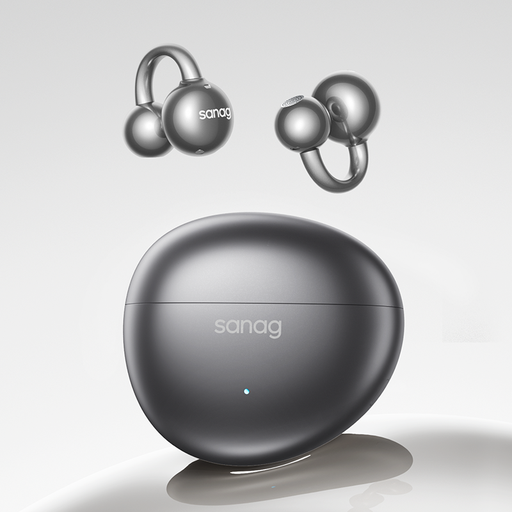
Why it suits this user: This model is aimed at people looking for wireless sports headphones with an open-ear bone-conduction design and extra software features for walking, working out or everyday use.
The product information clearly describes the open-ear design and warns that the model must not be used underwater. This helps avoid confusing sweat resistance with suitability for swimming.
Open-ear bone conduction, Bluetooth connectivity and, according to the product listing, an open AI translation feature.
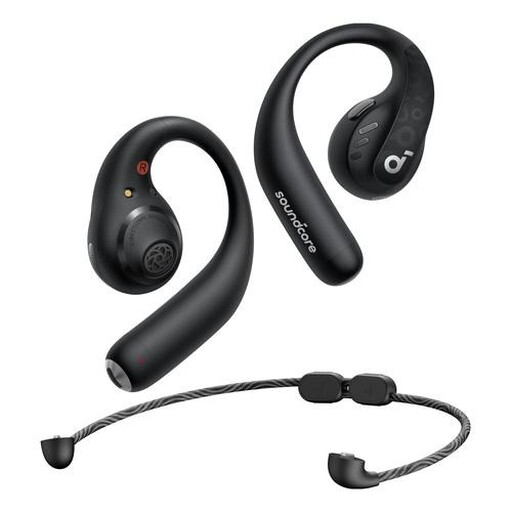
Why it suits this user: A good choice for people looking for ear-hook headphones for sport and everyday calls, with straightforward controls and a stated battery life.
The specifications clearly list Bluetooth 5.3, IPX5, on-ear controls and a battery life of up to 14 hours. Don’t confuse the IPX5 rating with suitability for swimming.
Bluetooth 5.3, support for AAC, LDAC and SBC, a stated battery life of 14 hours and physical control buttons.
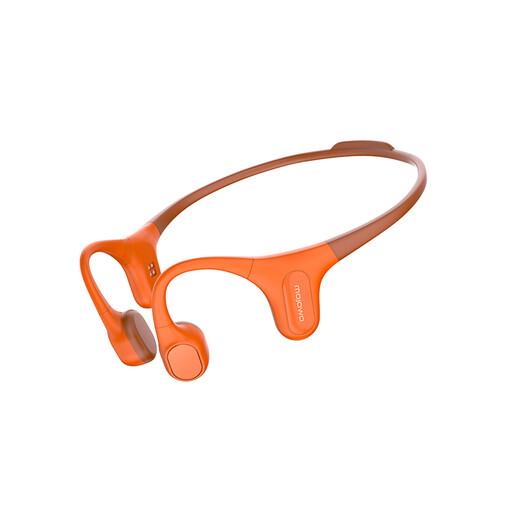
Why it suits this user: This model is a good match for swimmers and sports enthusiasts who want to listen to music without a phone. The product listing specifies IP68 and 32 GB of storage.
The stated IP68 rating and built-in MP3 storage make this a better fit for swimming than a Bluetooth-only model. Rinse the device after use in salt water and let it dry before charging.
32 GB of built-in storage, open-ear bone conduction and, according to the product information, IP68 water resistance.
We’ve put together a complete, up-to-date list of products that meet these strict selection criteria and the applicable European safety regulations.
They can be, especially if you want to keep your ear canals clear and remain aware of the sounds around you. Choose a model that stays securely in place, doesn’t press against your cheekbones and has enough battery life. Keep the volume low enough to hear traffic, cyclists and other warnings.
Bluetooth is generally impractical for swimming, as the signal is quickly interrupted in water. Choose headphones with MP3 storage and check whether the manufacturer explicitly says they’re suitable for swimming. A high IP rating alone doesn’t tell you whether a swimming mode or storage feature is available.
The stated battery life per charge is usually listed in the specifications, but the overall lifespan depends on charging cycles, moisture, temperature and care. Only charge the device when it’s completely dry, avoid high temperatures and stop using it if it swells, leaks or becomes unusually hot. Also avoid listening at high volumes for long periods to reduce strain on your hearing.
