
Vandaag of morgen in huis

Kwaliteit gegarandeerd

Welkomstaanbiedingen ontgrendelen: GRATIS bezorging | Tot 80% korting | Gratis 30 dagen JoyPlus-proefperiode
Download de app
Bone conduction headphones can be useful if you want to listen to music, podcasts or calls without blocking your ear canals. This makes them an interesting option for runners, cyclists and fitness enthusiasts who want to stay aware of surrounding sounds. However, models vary considerably in fit, water resistance, sound quality and features.
The product name alone doesn’t tell you enough. Before you order, look out for these common pitfalls.
Open-ear headphones leave your ears uncovered, but listening at a high volume can still mask traffic, bicycle bells or sirens. So open-ear doesn’t automatically mean you’ll be sufficiently aware of your surroundings in every situation. Keep the volume moderate, especially when running or cycling in busy traffic.
A model with an IP67 waterproof headphones rating is generally designed to withstand dust, sweat and brief exposure to water. That doesn’t automatically make it suitable for submersion. For swimming, you need a product whose manufacturer explicitly says it can be used in water, such as IP68 swimming headphones or a model with built-in MP3 storage.
Bluetooth also has limited range underwater. For swimming, headphones with MP3 storage are therefore more practical: you can load your music onto the device beforehand and won’t need your smartphone.
Terms such as AI, noise cancelling and ultra-sensitive don’t always mean the same thing. With an open design, your ear canal remains unobstructed, so active noise cancellation works differently than it does with in-ear headphones that create a seal. Check the specific details: battery life, Bluetooth version, storage capacity, charging method and listening modes.
Check the exact IP rating and intended use. IP55 is suitable for protection against dust and water splashes, while IP67 offers greater protection against temporary submersion. According to the product information, an IP68 product may be suitable for swimming, but always check the manual and the permitted water conditions.
Rinse swimming headphones with fresh water after use in chlorinated or salt water. Allow the magnetic charging contacts to dry completely before charging. Water resistance may decrease with wear, drops or improper care.
Wireless sports headphones should stay in place while you move, without putting unnecessary pressure on your temples or cheekbones. Look out for the differences between:
A secure, lightweight design is important for running and cycling. For everyday use, soft ear hooks and physical buttons may be more comfortable than touch controls, especially in the rain or during strength training.
Check whether the model uses Bluetooth only or can also play music independently. For Bluetooth headphones for running, a stable connection to your phone is usually enough. For swimming, built-in storage is much more useful.
Also check the stated battery life and charging method. Actual battery life depends on volume, calls, Bluetooth connection and temperature. Fast charging is handy if you often do short training sessions.
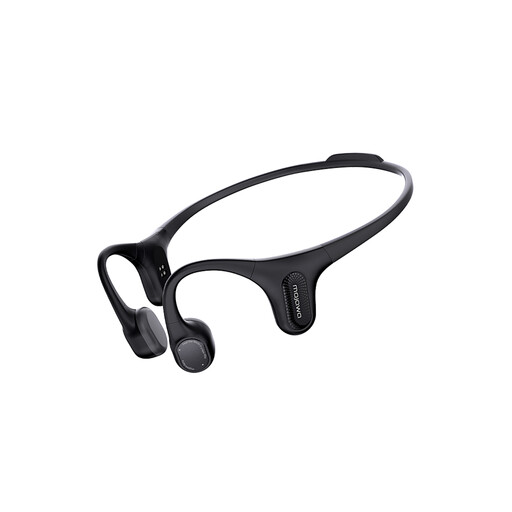
Why it suits this profile: This open-ear model is designed for running, cycling and training. Bluetooth, a built-in microphone and an IP67 rating make it a good fit for everyday exercise in changeable weather.
The IP67 rating makes clear that this model is designed for sweat and rain, but not necessarily for swimming. This helps avoid confusing sports use with submersion.
Open-ear fit, wireless Bluetooth connection, microphone and protection against dust and water according to the product listing.
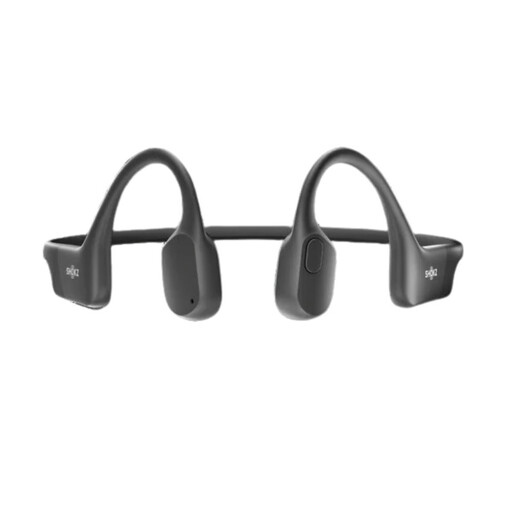
Why it suits this profile: The neckband design is made for sports and offers Bluetooth 5.1, multipoint connectivity and a stated battery life of up to 480 minutes.
The product information lists IP67 for weather resistance, not swimming. It also clearly specifies the Bluetooth version, multipoint connectivity and fast charging.
Bluetooth 5.1, multipoint connectivity, IP67 and fast charging, with the product specifications stating that a ten-minute charge provides extra playback time.

Why it suits this profile: This model combines an open-ear design with IP68 water resistance and 32 GB of built-in storage. It’s aimed at users who combine running and cycling with swimming.
The explicit IP68 rating and 32 GB of storage set it apart from an ordinary Bluetooth sports headset. For swimming, you’ll need to save your music to the device beforehand.
32 GB of built-in MP3 storage, IP68 according to the product listing, and support for use while swimming, running and cycling.
We’ve put together a complete, up-to-date list of products that meet these strict selection criteria and comply with current European safety regulations.
Yes, many models connect to a smartphone, tablet or sports watch via Bluetooth. Check the Bluetooth profile and whether multipoint is supported if you want to switch between two devices. Bluetooth is usually impractical while swimming, so choose a model with MP3 storage instead.
Only if the product information explicitly confirms that the headphones are suitable for swimming and have the relevant water resistance. A model with IP67 isn’t automatically suitable for swimming. When choosing waterproof swimming headphones, also check the charging instructions, rinse the device after use and only charge it once all the contacts are dry.
Battery life per charge varies by model and depends on volume, calls, Bluetooth and temperature. The overall lifespan of the device is also affected by storage, charging habits and exposure to sweat, chlorine and salt water. Store the headphones in a dry place, avoid using them at maximum volume for long periods and follow the manufacturer’s safety instructions.
