
Vandaag of morgen in huis

Kwaliteit gegarandeerd

Welkomstaanbiedingen ontgrendelen: GRATIS bezorging | Tot 80% korting | Gratis 30 dagen JoyPlus-proefperiode
Download de app
Bone conduction headphones can be useful if you want to listen to music or podcasts without completely covering your ears. This makes them an interesting option for runners, cyclists, fitness enthusiasts and anyone who wants to stay reachable while out for a walk. However, models vary considerably in comfort, water resistance and sound quality.
The product name alone doesn’t tell you enough. Some models use genuine bone conduction, while others are open-ear headphones with speakers positioned next to the ear. Read on to find out what to look for and which models suit different uses.
With genuine bone conduction, transducers are usually positioned near the cheekbones, leaving your ears free. An open-ear model, on the other hand, may use small speakers positioned next to your ears. Both designs let in surrounding sounds, but the listening experience isn’t the same.
So check the product description and how the headphones are worn. Look for terms such as over-ear, ear clip, open-ear or bone conduction. Bluetooth sports headphones with ear hooks may be comfortable, but they aren’t necessarily bone conduction headphones.
An IP rating consists of two digits. The first indicates protection against dust, and the second indicates protection against water. IP55, for example, is designed for limited exposure to water, while IP67 or IP68 indicates a higher level of protection under the manufacturer’s specified conditions.
That doesn’t mean every IP67 or IP68 model is suitable for unlimited swimming. Check whether swimming is explicitly mentioned, and pay attention to the charging instructions. A magnetic charging port must be completely dry before you connect the headphones.
Headphones with long battery life, AI voice features or translation may sound appealing, but these features aren’t useful for everyone. First, look at fit, Bluetooth version, controls, microphone and water resistance.
“Noise cancellation” also needs clarification. Active noise cancellation can affect the sounds around you, while an open design is intended to let you stay aware of your surroundings. According to the product information for some models, the feature refers to specific noise-cancelling modes, so always check the manual.
For headphones for running, a secure fit matters more than an elaborate design. Ear hooks, a neckband or a lightweight over-ear design can help stop the headphones from shifting. Also consider pressure around your temples and cheekbones. If a model feels uncomfortable after a few minutes, it probably won’t be suitable for longer training sessions.
For headphones for cycling, you’ll also need to consider your cycling helmet, glasses and wind noise. Choose a design that won’t press against the edge of your helmet. Open-ear doesn’t automatically mean you’ll hear all traffic sounds clearly, either. Keep the volume low enough and don’t use the headphones as a substitute for staying alert.
If the manufacturer advises it, rinse waterproof bone conduction headphones with clean water after using them in a swimming pool or the sea. Dry the device completely before charging it.
Bluetooth 5.3 or 5.4 can provide a modern wireless connection, but actual battery life depends on volume, distance and features. If you train for long periods every day, look for a stated battery life of, for example, 12 to 14 hours.
Bluetooth isn’t always practical for swimming, as its range is limited underwater. A model with built-in storage, such as 32 GB, can play music without an active connection to your smartphone. Check which file formats and control options are supported, though.
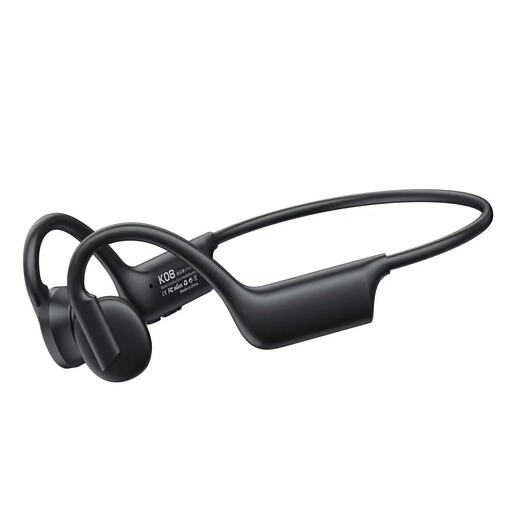
Why it suits this profile: The K08 combines Bluetooth, ear hooks and a stated battery life of 8 hours. This makes it a good option for anyone who wants to try a simple pair of wireless sports headphones first.
The specifications mention ear hooks and a Bluetooth connection, so you can check how the headphones are worn and what basic features they offer instead of relying on marketing terms alone.
Bluetooth, two-channel stereo sound, call function and a stated maximum battery life of 8 hours.
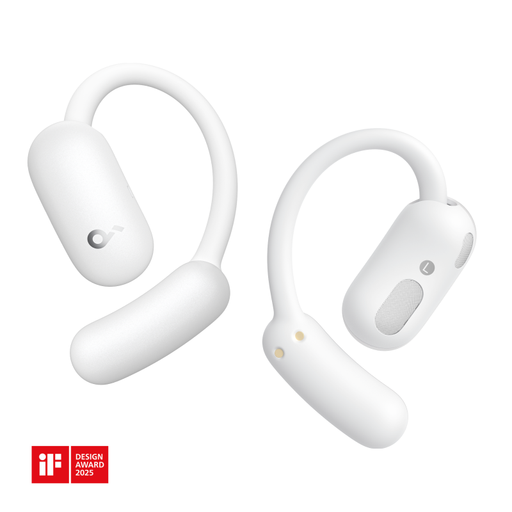
Why it suits this profile: This open-ear model is designed for calls, music, sport and everyday use. The button controls and two microphones make it a good choice if you’re looking for a versatile option.
The product information clearly states that these are open-ear headphones, with Bluetooth 5.4 and IP55. This makes it easier to distinguish everyday use from swimming.
Bluetooth 5.4, two microphones, button controls, IP55 and a stated 750 mAh battery.
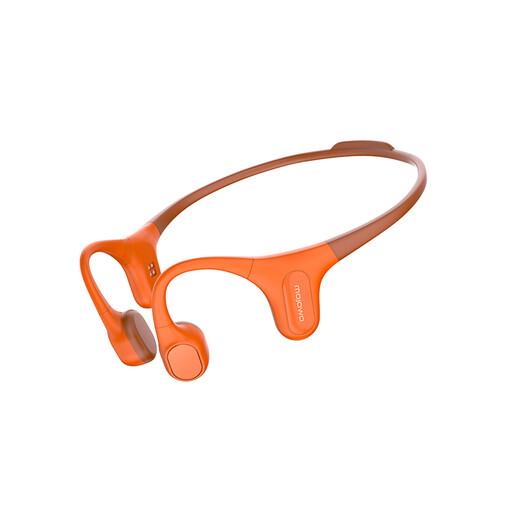
Why it suits this profile: The Run Plus is designed for running, swimming, cycling and fitness. Its IP68 rating and 32 GB of built-in storage make it a good fit for athletes who want to listen without a smartphone.
The stated IP68 rating and storage capacity make the model’s intended uses clearer. Be sure to follow the instructions for rinsing, drying and charging.
IP68, 32 GB of built-in storage and Bluetooth for activities such as swimming, cycling and running.
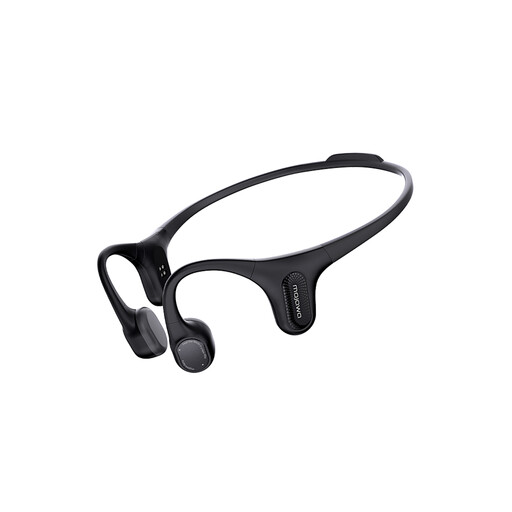
Why it suits this profile: According to the product description, this open-ear model is designed for running, cycling and other workouts. The built-in microphone lets you make calls on the go.
The product information lists an IP67 rating and a secure fit. This lets you take water resistance and stability into account when comparing models.
IP67, wireless Bluetooth connection, open-ear design and built-in microphone.
We’ve put together a complete, up-to-date list of products that meet these strict selection criteria and the applicable European safety regulations.
They can be, especially if you choose a model with a secure ear hook or neckband and a suitable water-resistance rating. Keep the volume down and stay alert around traffic and on busy cycle paths. Being aware of your surroundings doesn’t guarantee that you’ll hear every sound clearly.
It varies by model and how you use it. Product specifications may state, for example, 8, 12 or 14 hours. Higher volumes, phone calls and extra features can reduce battery life. Also check whether the stated figure is a maximum or continuous playback time.
Only if the manufacturer says the model is suitable and its water-resistance rating is appropriate. Bluetooth connectivity is limited underwater, so a model with built-in storage may be more practical for swimming. Dry the headphones completely before charging them, and follow the manufacturer’s safety instructions.
