
Vandaag of morgen in huis

Kwaliteit gegarandeerd

Welkomstaanbiedingen ontgrendelen: GRATIS bezorging | Tot 80% korting | Gratis 30 dagen JoyPlus-proefperiode
Download de app
As a Joybuy Product Recommendation Officer, I see a lot of products. My job is to help you make the right choices, without the marketing jargon.
Listening to music or a podcast while running, cycling, or training can be highly motivating. But traditional earbuds isolate you from your surroundings. You can't hear traffic, which can be dangerous. A bone conduction headphone or an open-ear headphone solves this problem. They leave your ears open, allowing you to hear both your audio and the world around you.
In this article, we'll explain what to look for and provide a few concrete recommendations for 2026.
Choosing the right sports earbuds depends on your activity. Here are three key points to get you started.
The IP (Ingress Protection) rating indicates how well a device is protected against dust and water. For athletes, this is a crucial detail.
Choose the IP rating that matches your sport. For most outdoor athletes, IP67 is a solid choice.
Headphones for cycling or running must stay securely in place without causing irritation. Bone conduction models often feature a neckband that wraps around the back of your head and hooks that rest over your ears. This ensures a stable fit, even during intense movement. Pay attention to the weight and material. A lightweight model made of flexible titanium or silicone is something you'll barely notice you're wearing.
Most wireless sports earbuds work via Bluetooth. You pair them with your phone to play music or podcasts. This works well, but it means you have to carry your phone with you. This is impractical for swimmers, as a Bluetooth signal doesn't travel well through water. That's why some models have a built-in MP3 player. You load your music directly onto the headphones and leave your phone at home. This is the ultimate solution for those who want complete freedom of movement.
Based on specifications and functionality, we've highlighted a few interesting models for you.
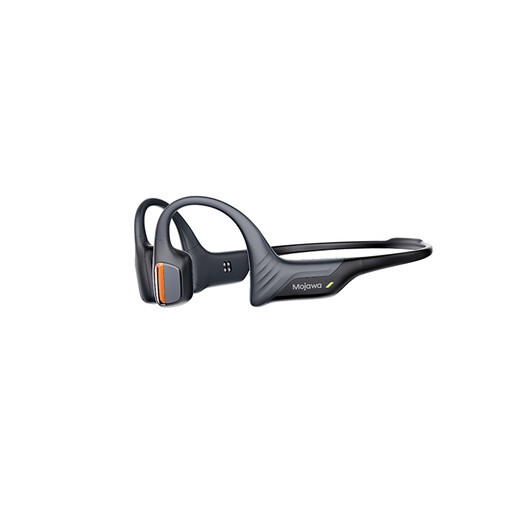
Check out the Mojawa Purra Run on Joybuy.nl
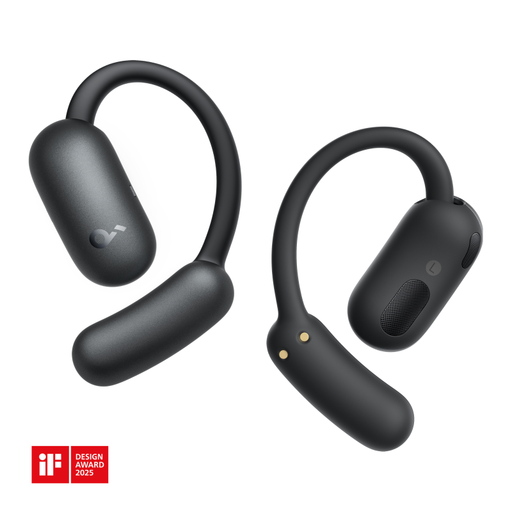
Check out the Soundcore AeroFit 2 on Joybuy.nl
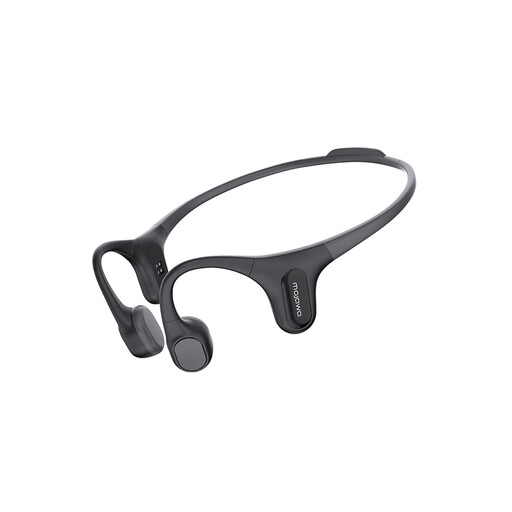
Check out the Mojawa RunPlus on Joybuy.nl
These recommendations are a great starting point, but perhaps you're looking for something slightly different. There are more models available with various specifications and price points. Explore our full range to find the perfect match for your needs.
View All Open-Ear Sports Earbuds
Bone conduction technology bypasses the eardrum and sends vibrations directly to the inner ear. Just like with regular headphones, it's important to keep the volume at a responsible level to prevent long-term hearing damage. The key advantage is that your ears remain open to ambient sound, which greatly enhances safety.
A bone conduction headphone uses vibrations on your cheekbones to transmit sound. Your ear canal remains completely open. An open-ear headphone, like the Soundcore AeroFit 2, uses small, directional speakers that rest just outside your ear canal. They essentially beam the sound towards your ear. Both systems allow you to hear your surroundings, but the underlying technology is different.
Yes, but only with models specifically designed for it. Look for an IP68 rating and a built-in MP3 player, like on the Mojawa RunPlus. A standard Bluetooth connection does not work reliably underwater. Always check the manufacturer's specifications before taking any headphones into the water.
