
Vandaag of morgen in huis

Kwaliteit gegarandeerd

Welkomstaanbiedingen ontgrendelen: GRATIS bezorging | Tot 80% korting | Gratis 30 dagen JoyPlus-proefperiode
Download de app
Bone conduction headphones can be useful if you want to listen to music or podcasts without completely blocking your ears. This makes this type of headphone popular with runners, cyclists and fitness enthusiasts. However, not every model is suitable for every situation. Small differences in specifications can have a major impact, particularly when swimming, making calls or doing intensive workouts.
An IPX4 or IPX5 rating protects against splashes or sweat, but is not intended for submersion. For swimming, you need a model whose product information explicitly states a higher level of water resistance, such as IP67, IP68 or IPX8.
Also check the conditions of use. Chlorinated and salt water can damage materials and charging contacts. Rinse swimming headphones with fresh water after use and allow them to dry completely before charging them.
Bluetooth is practical when cycling, at the gym and while running. Underwater, however, the signal is quickly disrupted. If you want to listen to music while swimming, you therefore need a model with internal storage and an MP3 player. Headphones with MP3 storage work without a continuous connection to your smartphone.
A Bluetooth-only model is therefore not necessarily swimming headphones, even if the casing is water-resistant.
With traditional in-ear earbuds, noise cancelling can significantly reduce ambient noise. This is useful on the train or in the office, but less suitable in busy traffic. Open-ear or bone conduction headphones generally allow more ambient sound through. According to a brand’s own research into noise cancelling, the function can reduce background noise, but such brand claims do not guarantee the same experience in every environment.
When cycling or running, it is important to continue hearing traffic and other road users. Keep the volume moderate and follow local traffic regulations.
The IP rating consists of two numbers, or a number and an X. The first part refers to protection against dust; the second refers to protection against water.
An IP code says nothing about sound quality, fit or how Bluetooth works underwater. Also check whether magnetic charging contacts need to be dry before you connect the cable.
A battery life of 8 to 12 hours may be enough for several workouts, but actual playback time depends on volume, phone calls and features. With wireless headphones, check whether the stated battery life applies to a single charge or the total including the charging case.
For swimming, 8 GB or 32 GB of internal storage is more useful than a long Bluetooth battery life alone. Some models are listed with 32 GB of storage, such as the Mojawa Run Plus and Mojawa HaptiFit Terra. However, check which file formats are supported and how music is transferred to the device.
Comfortable headphones should stay in place while you move without pressing too firmly against your head. Look for:
Bone conduction models transmit sound through contact points near the cheekbone. An open-ear model may also sit beside or above the ear without completely covering it. Fit varies from person to person, so secure attachment is more important than low weight alone.
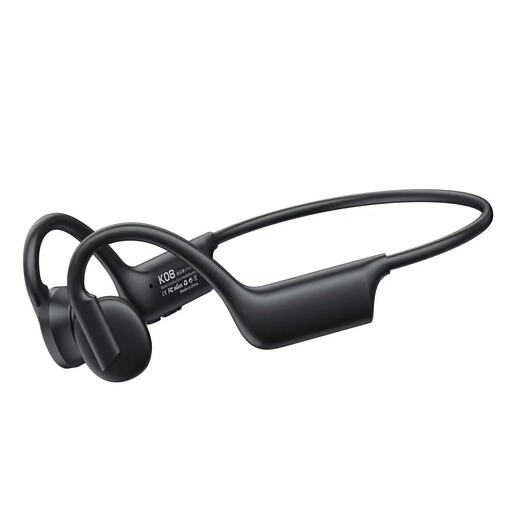
Why it suits this profile: This model is designed for cycling, running and listening to music with an open design. The product information lists Bluetooth, an ear-hook construction, multipoint connectivity and battery life of up to 8 hours.
The specifications list specific features rather than just making general sports claims. Before buying, check the current manual for information about water use.
Open-ear design, Bluetooth and multipoint connectivity according to the product description.
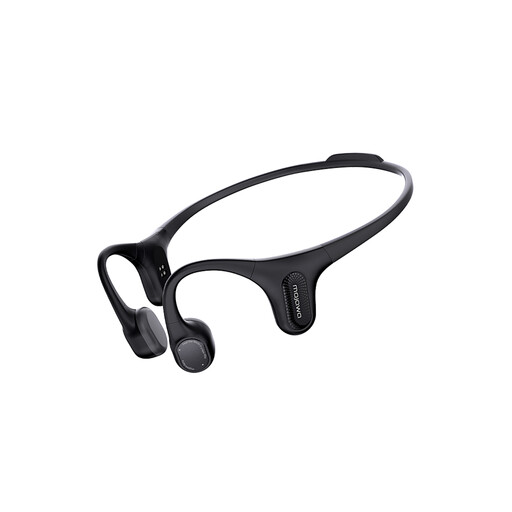
Why it suits this profile: According to the product information, the Mojawa Aerra is intended for running, cycling and other outdoor sports. The model has an open-ear design, Bluetooth, a microphone and IP67 water resistance.
The IP67 rating makes it clear that this is more than just protection against sweat, but check the difference between rain resistance and suitability for swimming.
IP67 rating, built-in microphone and a fit that, according to the description, stays in place during sport.
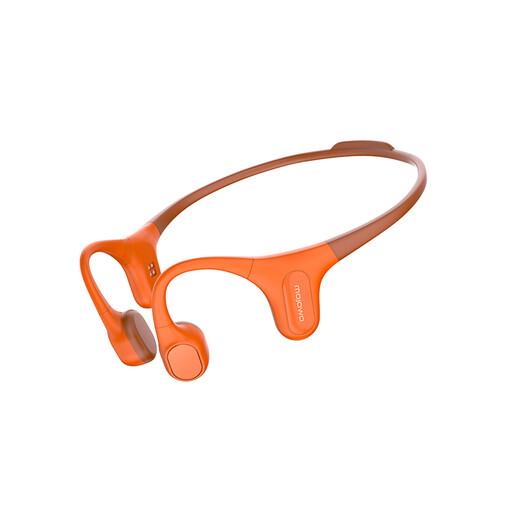
Why it suits this profile: According to the product information, this model combines an IP68 rating with 32 GB of built-in storage. It is therefore suitable for users who want to run, cycle, train or swim without constantly using a smartphone connection.
The internal storage avoids the expectation that Bluetooth will continue working underwater. Rinse the device after exposure to salt or chlorinated water and dry the charging contacts carefully.
32 GB MP3 storage and IP68 water resistance according to the product listing.
We have put together a complete, up-to-date list of products that fully meet these strict selection criteria and the applicable European safety regulations.
Bone conduction headphones usually rest in front of or beside the ear and use contact points near the cheekbone. An open-ear headphone can also use an ear hook or clip. Neither design completely blocks the ear canal, but the listening experience varies from model to model.
Traditional Bluetooth headphones or wireless earbuds can offer fuller bass and are often better suited to the office, travelling and commuting. Noise-cancelling headphones are particularly useful when you deliberately want to reduce ambient noise. For outdoor exercise, open designs have a practical advantage: you can remain more aware of your surroundings.
With every option, pay attention to the difference between splash-resistant, water-resistant and suitable for swimming. Even comfortable headphones need to be charged, cleaned and stored correctly. Listening at high volumes for extended periods can cause hearing damage; take regular breaks and use a suitable volume.
Most models in this category use Bluetooth and can be paired with compatible phones, tablets and other Bluetooth devices. Check the Bluetooth version, multipoint function and instructions for the specific model. For listening to music underwater, you generally need internal MP3 storage.
Their lifespan depends on battery use, exposure to sweat or water, cleaning and storage. Only charge magnetic contacts when they are completely dry. Do not store the device in a very hot car for extended periods, and stop using it if you notice visible damage, overheating or a swollen battery.
An open design can be suitable for running and cycling because the ears are not completely covered. This does not mean you are automatically safe in traffic. Keep the volume low enough to hear sounds around you, and do not use the device if it distracts you from the road.
