
Vandaag of morgen in huis

Kwaliteit gegarandeerd

Welkomstaanbiedingen ontgrendelen: GRATIS bezorging | Tot 80% korting | Gratis 30 dagen JoyPlus-proefperiode
Download de app
Bone conduction headphones can be useful when running, cycling or walking because they do not completely block your ears. This means you can still hear sounds around you while listening to music, a podcast or a phone call. However, many models look similar in online shops. The differences often come down to fit, water resistance, storage and how features such as noise cancellation or AI are described.
As a Joybuy Product Recommendation Officer, I focus mainly on verifiable product information. This helps prevent an attractive product title from promising more than the specifications actually support.
A model with an IPX7, IP67 or IP68 rating offers a certain level of protection against water and dust. However, the exact application varies by product. Headphones that can withstand rain and sweat may not be suitable for prolonged immersion.
Therefore, check:
According to the product information, the Verbex X7S is listed as IPX8. It also states that the headphones are intended for use in fresh water and swimming-pool water. After contact with salt water, the product should be rinsed with fresh water. This is relevant information if you are looking for swimming headphones.
Open-ear headphones do not block the ear canal, but loud music, traffic and wind can still mask sounds around you. The safety instructions for various models therefore warn against setting the volume so high that traffic, sirens or warnings can no longer be heard.
Running headphones must also stay securely in place. A rigid band may create pressure around your temples or cheekbones after a while. An ear-clip design feels different from a classic model with a band behind the head. Fit is therefore at least as important as the number of features.
Product titles use terms such as AI headphones, translation and noise cancellation. Ask yourself what you actually need. AI may refer to voice control, a voice assistant or a translation function, for example. How it works depends on the software, phone and available app.
Noise cancellation can also mean several different things. Active noise cancellation uses microphones and electronics to reduce surrounding noise. Sound isolation works by physically blocking the ears. With an open-ear model, complete isolation is not the aim. Read the manual and product specifications before treating a feature as decisive.
For cycling, fitness and running, protection against sweat and rain is usually the first requirement. For swimming, you need a model that clearly supports immersion and storage without a smartphone.
Also pay attention to care and maintenance. After swimming in chlorinated or salt water, rinse the model according to the instructions, dry it thoroughly and only charge it once the contacts are dry. A higher IP rating does not prevent damage caused by incorrect charging or prolonged exposure to extreme conditions.
Wireless sports headphones generally connect to your phone via Bluetooth. This is practical for podcasts and phone calls, but not always convenient in the swimming pool. A model with 32 GB of internal memory and an MP3 player may be an advantage, as you can store music locally.
Do not compare claimed battery life alone. Also consider:
Comfortable headphones with a microphone should not only be lightweight, but also fit securely without pinching. For cycling and running, a sturdy over-ear band is often stable. An ear clip may be more comfortable for users who do not want a band behind their head.
Check whether the product is suitable for calls, what controls are available and where the transducers are positioned. With bone conduction, the contact points are generally placed against the cheekbones. Stop using the headphones if you experience pressure, skin irritation or discomfort. Bone conduction does not prevent prolonged listening at high volume from becoming tiring.
The choices below are linked to specific product information rather than general superlatives. Always check the current product page, included accessories and manual before buying.
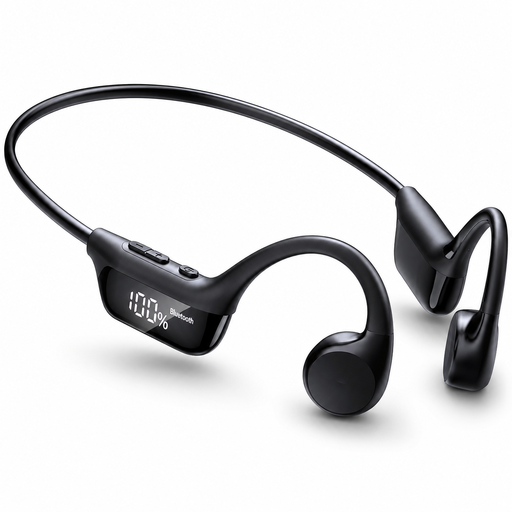
Why it suits this profile: This model is designed for everyday exercise, with Bluetooth 6.0, a microphone, a stated battery life of 12 hours and IPX7 water resistance.
The water rating is more specific than simply calling it “sports headphones”. IPX7 does not automatically mean that the model is intended for swimming.
Open-ear design, microphone, Bluetooth 6.0 and a stated battery life of 12 hours.
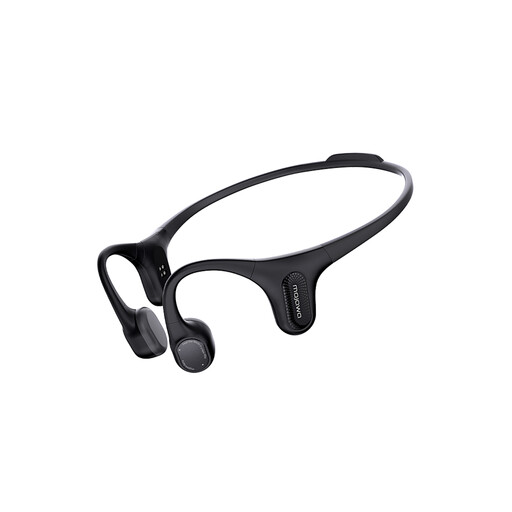
Why it suits this profile: The product information mentions an open-ear fit, Bluetooth, a microphone and IP67 protection for exercise, rain and sweat.
IP67 provides more context than an isolated claim about water resistance. The stated rating makes it easier to distinguish use in rain and sweat from swimming.
IP67, open-ear design and a built-in microphone for music and calls.
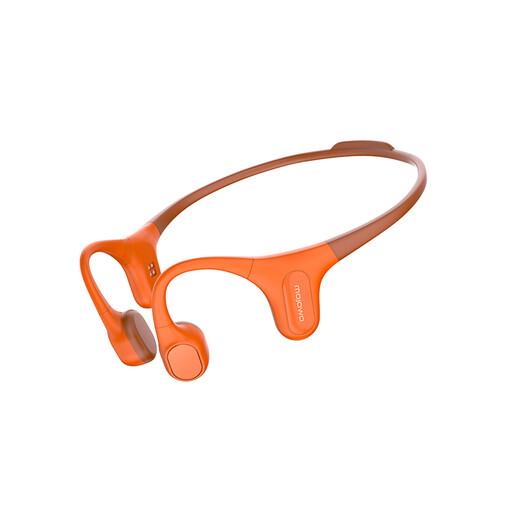
Why it suits this profile: According to the product information, this model comes with IP68, 32 GB of built-in storage and an MP3 player for running, swimming, cycling and gym sessions.
The stated MP3 storage means you do not have to rely on Bluetooth every time you use the headphones underwater. Rinse the model after contact with salt water and dry it before charging.
32 GB storage, MP3 mode and an IP68 rating according to the product listing.
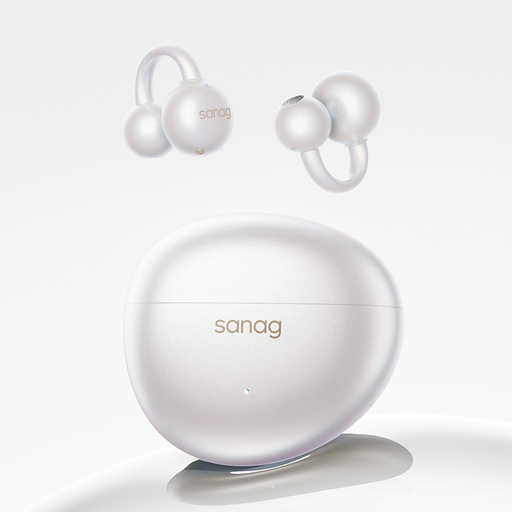
Why it suits this profile: The product information mentions open-ear bone conduction and an AI translation feature. This suits users who want to use voice functions as well as listen to music.
The AI feature is listed here as a product attribute, not as a guarantee of a particular translation experience. Check compatibility and available software beforehand.
Open-ear design, over-ear wearing style and an AI translation feature according to the product information.
We have put together a complete, up-to-date list of products that fully meet these strict selection criteria and the applicable European safety regulations.
Bone conduction headphones transmit sound through vibrations near the cheekbone to the inner ear. The ear canal remains open. Exact sound reproduction varies by model and fit. An open-ear design also does not mean that you will continue to hear all sounds clearly in every environment.
That depends on the water rating and features of the specific model. Bluetooth alone is often not sufficient for swimming because its range is limited underwater. In that case, choose swimming headphones with a stated MP3 storage function, such as a model that includes 32 GB of internal memory. Always follow the cleaning and charging instructions.
Battery life varies depending on the model, volume, connection and usage mode. The product information for selected models lists, for example, 8, 12 or more hours of use. Treat these figures as stated specifications under certain conditions. High volume, phone calls and AI features can increase power consumption.
