
Vandaag of morgen in huis

Kwaliteit gegarandeerd

Welkomstaanbiedingen ontgrendelen: GRATIS bezorging | Tot 80% korting | Gratis 30 dagen JoyPlus-proefperiode
Download de app
Bone conduction headphones can be useful if you want to listen to music or podcasts without blocking your ear canals. This makes them a good option for runners, cyclists and fitness enthusiasts who want to stay aware of their surroundings. However, not every model is suitable for every situation. An open design, long battery life or the term “waterproof” doesn’t tell you everything you need to know.
The key question isn’t which model has the longest list of features, but which specifications suit the way you’ll use it.
A model that can handle sweat and light rain isn’t automatically suitable for swimming. Check the full IP code:
According to Mojawa RunPlus product information, this model has an IP68 rating and 32 GB of storage. The Sanag G6S, by contrast, has an IPX4 rating and is specified for sport and light rain. So don’t use an IPX4 model in the pool.
Battery life claims usually depend on volume, Bluetooth use, calls and temperature. On headphones with MP3 storage, local playback may also perform differently from continuous streaming over Bluetooth.
So check:
For example, the Baseus Eli Sport 1 lists around 7 to 8 hours of playback and approximately 30 hours with the charging case, at 70 per cent volume. According to Baseus product information, actual results may vary depending on how you use it.
Bone conduction transfers sound through vibrations near the jawbone. An open design leaves your ears uncovered, but that also means you can still hear the sounds around you clearly. This is useful in many outdoor situations, but music may sound less full near busy traffic or in strong winds.
Also check the difference between:
According to Sanag S6S Nova product information, this model supports certain noise reduction modes. Before buying, check exactly which mode is offered; don’t treat a brand’s claim as a guarantee of complete sound isolation.
Bone conduction headphones usually sit around or behind the ear, with contact points near the temples or cheekbones. The pressure should feel even. A headband that’s too tight can become uncomfortable during a long run, while a loose fit may shift out of place.
Headphones with ear hooks or a clip-style design can offer extra stability. Open-ear models such as the Soundcore AeroFit 2 and Soundcore C40i use an on-ear fit. According to the product specifications, the Sanag G6S has an open-ear hook design and weighs around 5.6 grams per earbud.
Wireless Bluetooth headphones are handy for use with a phone, smartwatch or tablet. Bluetooth 5.3 and 5.4 are modern standards, but connection quality is also affected by distance, obstacles and the connected device.
Also consider whether you’d prefer physical buttons or touch controls. Buttons can be easier to use with sweaty fingers when you’re running. A built-in microphone is useful if you want to make calls while walking or working.
If you swim or want to exercise without a smartphone, headphones with MP3 storage can be useful. Bluetooth doesn’t always work underwater. Models such as the Mojawa RunPlus and Mojawa HaptiFit Terra are offered with 32 GB of internal memory. The Verbex X7S product information also lists 32 GB of storage.
Bear in mind that you’ll need to transfer music files beforehand, and streaming services usually can’t be used directly as regular MP3 files. If you plan to swim, also check that the headphones genuinely support a suitable swimming mode or local playback.
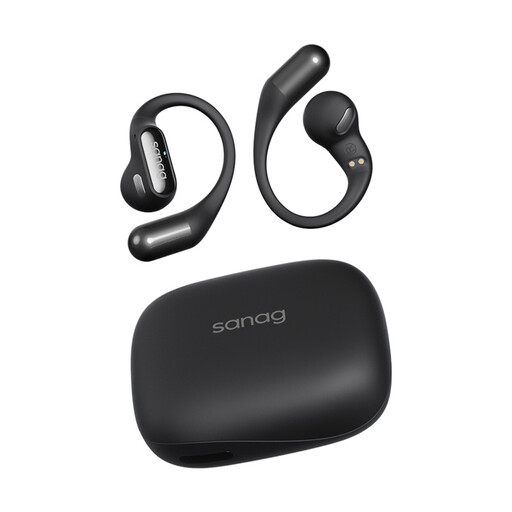
Why it suits this profile: A lightweight open-ear model for running, cycling, fitness and everyday use, without in-ear buds.
The specifications list IPX4, making it clear that this model isn’t designed for swimming. This helps you avoid mistaking splash resistance for full waterproofing.
Around 5.6 grams per earbud, Bluetooth 5.3, touch controls and, according to the product information, approximately 26–48 hours with the case.
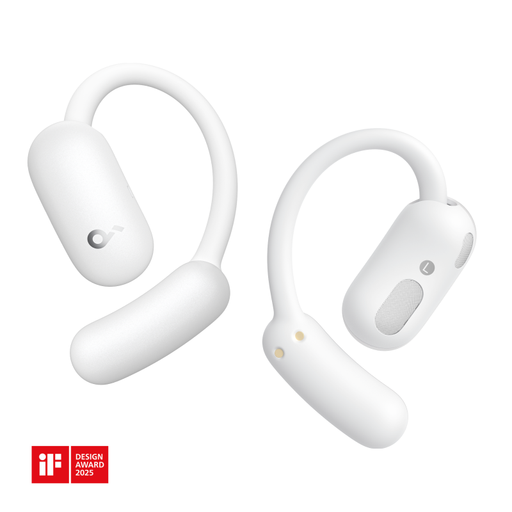
Why it suits this profile: Designed for people who want one model for calls, music, sport and everyday use.
The IP55 rating is listed separately, helping you avoid mistaking this model for swimming headphones.
Bluetooth 5.4, two microphones, an on-ear fit, a 750 mAh battery and a charging dock, according to the product specifications.
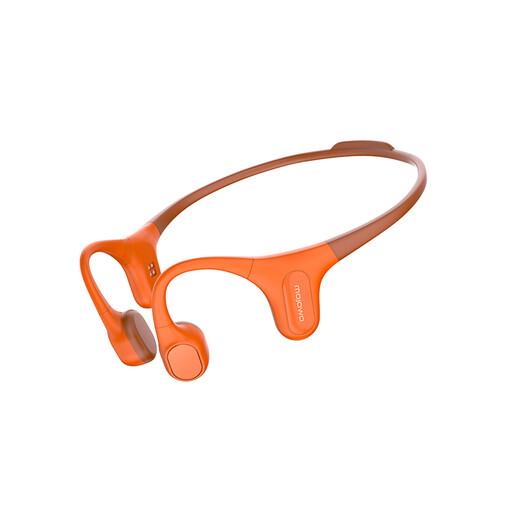
Why it suits this profile: For runners, swimmers and athletes who want to listen to music without a phone.
The product listing specifies both IP68 and 32 GB of MP3 storage. This gives clearer details about the water rating and offline use than models described only as “water-resistant” in the title.
Open-ear bone conduction, 32 GB of storage and a fit that, according to the product description, is designed for running, swimming, cycling and fitness.
Open-ear and bone conduction models let you hear the sounds around you, but they’re no substitute for staying alert. Keep the volume low enough to hear traffic, cyclists, sirens and instructions. Don’t wear headphones in situations that require your full attention, such as driving.
Take extra care when swimming:
AI-enabled headphones or models with AI translation may offer extra features, but check which app, language support and internet connection they require. According to the product information, the Sanag S7S is offered with open AI translation; how well it works in practice depends on the accompanying software and settings.
We’ve put together a complete, up-to-date list of products that meet these strict selection criteria and the applicable European safety requirements.
They can be, especially if you want to stay aware of your surroundings while running. Choose a model with a secure headband or ear hook, a suitable weight and enough protection against sweat. Bear in mind that open-ear doesn’t automatically mean you’ll hear every traffic sound clearly. Keep the volume moderate.
Only if the product information and manual explicitly say they’re suitable. Look for an appropriate IP rating, a swimming mode and internal storage. An IPX4 or IP55 model isn’t automatically suitable for underwater use.
Their lifespan depends on charging cycles, moisture, temperature, cleaning and physical wear. Don’t charge the device when it’s wet, keep the battery away from heat, and don’t use a damaged cable or casing. A longer battery life doesn’t automatically mean a longer overall lifespan.
