
Vandaag of morgen in huis

Kwaliteit gegarandeerd

Welkomstaanbiedingen ontgrendelen: GRATIS bezorging | Tot 80% korting | Gratis 30 dagen JoyPlus-proefperiode
Download de app
Bone conduction headphones can be a great choice if you want to listen to music without completely covering your ears. This is practical when running, cycling or working out at the gym. However, models vary considerably in water resistance, comfort, storage and connectivity. A product with lots of features listed on the packaging is not automatically suitable for your needs.
The three most common purchasing pitfalls are:
For running and cycling, protection against sweat and rain is usually the first requirement. Swimming requires a higher water rating, but usage time, water depth and the type of water also matter.
An IP68 waterproof headset or waterproof swimming headset should be rinsed with clean water after use in chlorinated or salt water and allowed to dry completely before charging. A magnetic charging connection must never be wet while charging.
Bluetooth is useful for podcasts, music and phone calls while exercising. Pay attention to the stated range and check whether your smartphone is compatible. Product descriptions often state a range of around 10 metres or more, but walls, your body and other devices can affect this.
If you are looking for headphones for swimming, MP3 storage is often more useful than a permanent Bluetooth connection. For example, the Verbex X7S is listed with 32 GB of memory, while the Mojawa RunPlus and Mojawa Run Plus are also offered with 32 GB of MP3 storage. Before buying, check:
Bone conduction headphones usually rest against your cheekbones without blocking the ear canal. An ear hook or ear-clip design can help keep the model in place when running and cycling. Also consider the weight: a heavier model may put more pressure on you during longer workouts.
Open-ear headphones can help you continue to hear traffic, cyclists and other sounds around you. This does not replace paying attention to your surroundings. Use a moderate volume and take breaks when listening for long periods. Stop using the headphones if you experience irritation, dizziness or discomfort.
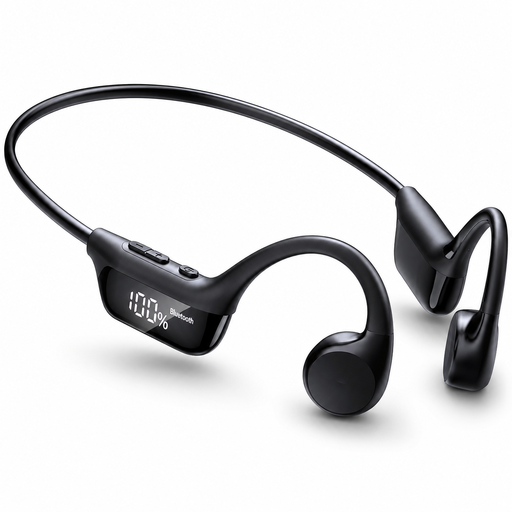
Why it suits this profile: This model is designed for everyday exercise and is listed with Bluetooth 6.0, 12 hours of battery life and IPX7 water resistance. That makes it suitable for people who mainly walk, work out, run or cycle.
The key specifications are clearly stated. Do not treat IPX7 as proof that the headphones are suitable for prolonged swimming; check the official usage conditions for that.
Stated 12-hour battery life, Bluetooth 6.0, microphone and a sports-focused fit.
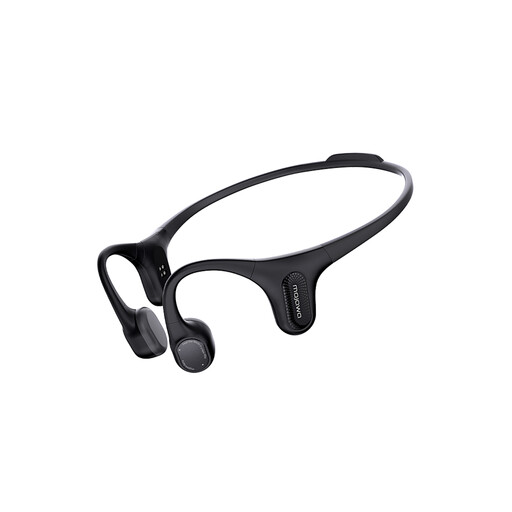
Why it suits this profile: According to the product description, these open-ear Bluetooth sports headphones are designed for running, cycling and other outdoor activities. The model has a microphone and a fit designed to stay stable during movement.
The IP67 rating makes the limits clearer: suitable for sweat, rain and dust according to the stated classification, but not automatically suitable for swimming.
Open-ear design, Bluetooth, microphone, ear-hook construction and IP67 protection.
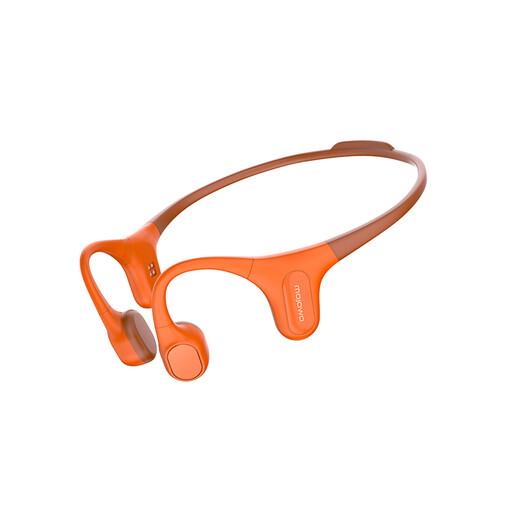
Why it suits this profile: This model is offered with IP68, 32 GB of built-in storage and an MP3 player. That makes it appealing to users who are considering swimming as well as running and cycling.
The combination of Bluetooth and MP3 storage reduces reliance on a connection in the water. However, check the swim mode and only charge the device once it is completely dry.
IP68 rating, 32 GB of storage, MP3 function and open-ear Bluetooth for sports use.
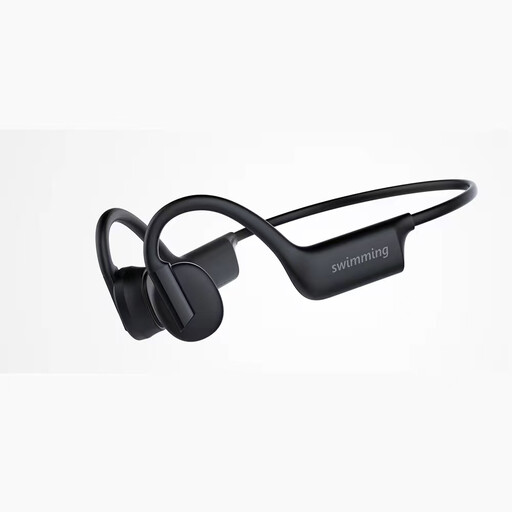
Why it suits this profile: The product description lists 32 GB of memory, up to 8 hours of battery life, Bluetooth and IPX8 water resistance. This suits athletes looking for one model for several activities.
The combination of built-in memory and IPX8 is relevant for swimming. According to the safety information, use is intended for fresh water and pool water; after exposure to salt water, rinse the device immediately with fresh water.
32 GB of memory, IPX8 rating, magnetic charging, Bluetooth and stated battery life of 8 hours.
We have put together a complete, up-to-date list of products that fully meet these strict selection criteria and the applicable European safety regulations.
Only if the specific model is designed for this purpose and the water rating and manual support it. Bluetooth has limited functionality underwater. For swim training, it is therefore best to choose a model with built-in MP3 storage and a stated swim mode. Rinse the device after use and make sure the charging contacts are dry.
This varies by model and usage. In the product information mentioned above, the stated maximum battery life ranges from around 8 to 12 hours. High volumes, phone calls and other functions can affect the actual usage time. When buying, also check the charging method, such as magnetic charging or USB-C.
An open-ear model can be suitable for running because the ear canal remains open and you can still hear ambient sound. Pay particular attention to the fit, weight, ear-hook stability and protection against sweat. Running headphones should remain comfortable without you having to adjust them with every movement.
