
Vandaag of morgen in huis

Kwaliteit gegarandeerd

Welkomstaanbiedingen ontgrendelen: GRATIS bezorging | Tot 80% korting | Gratis 30 dagen JoyPlus-proefperiode
Download de app
Bone conduction headphones can be useful if you want to listen to music, podcasts or phone calls without completely blocking your ear canals. They’re a good fit for running, cycling, working out and everyday use when you also want to stay aware of traffic and other people around you.
However, not every open-ear model is suitable for every sport. Marketing copy sometimes uses terms such as “waterproof”, “noise cancelling” or “swimming headphones” without making clear the conditions under which those features apply. Use these checks to avoid a costly mistake.
An IPX4 rating is designed to protect against splashes and sweat, not submersion. A model with IPX7 can withstand temporary submersion according to the relevant standard, but that doesn’t automatically mean it’s suitable for swimming lengths. IP67 also offers protection against dust.
So check:
For models described as suitable for swimming, make sure the charging port is completely dry before charging. Rinse headphones with clean water after using them in chlorinated or salt water, then leave them to dry.
Open-ear headphones don’t block your ear canals, but they can still shift when you’re sprinting, cycling or strength training. Check the design: an ear hook, titanium band or clip-on style may offer more stability than a model that simply rests on your ears.
Also consider the weight and pressure around your ears. A secure fit is useful, but too much tension can become uncomfortable during longer workouts.
Bluetooth is handy for music and calls, but it has a limited practical range and isn’t always suitable for swimming. A built-in microphone is most useful for phone calls while walking, commuting or working out.
Also look out for conflicting product claims. For example, a model may mention “noise cancelling” while also having an open design. A brand’s own product information may use this term to describe call microphones or specific modes, rather than complete noise isolation.
The letters IP stand for Ingress Protection. The first digit refers to solid particles, while the second refers to water. Product pages don’t always include full details of the test conditions, so use the rating as a way to narrow down your options, not as a guarantee for every swimming situation.
If you specifically want headphones for swimming, choose a model whose product information clearly states that it’s suitable for swimming and has built-in storage.
A Bluetooth sports headset will usually work with your smartphone for running, cycling and working out. For swimming, headphones with MP3 storage are more practical because Bluetooth signals have limited range underwater. Check how much storage is available and how to transfer music.
Battery life claims usually refer to maximum figures. Actual listening time depends on volume, connectivity, microphone use and temperature. A model with a stated battery life of, for example, eight hours may be suitable for several workouts, but remember to charge it in advance if you’re planning longer sessions.
Bone conduction headphones usually rest near your temples or cheekbones and don’t use earbuds in your ear canals. An open design helps you hear surrounding sounds, but it’s no substitute for staying alert in traffic. Avoid listening at high volume for extended periods and take breaks.
Take extra care when cycling: check local traffic rules and make sure music or calls don’t distract you. Some standard sports earbuds, such as clip-on wireless earbuds, aren’t designed for cycling when awareness of your surroundings is important.
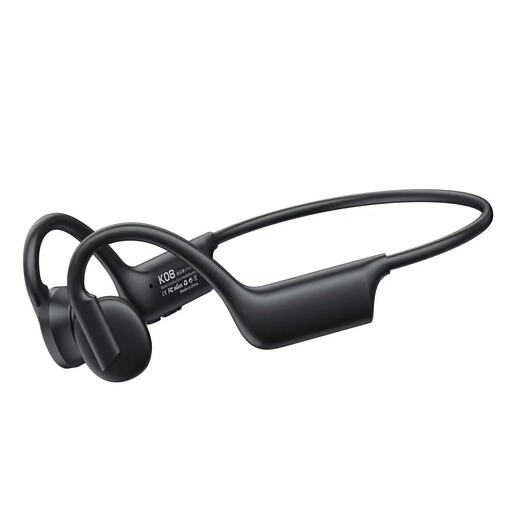
Why it suits this profile: According to the product information, this model offers Bluetooth, an ear-hook design, calling and a stated battery life of up to eight hours. That makes it suitable for everyday use and recreational running.
The product information doesn’t mention swimming. This makes it clear that you should consider this model mainly for dry activities and light exercise.
Bluetooth connectivity, microphone, multipoint support and a stated wireless range of at least 10 metres.
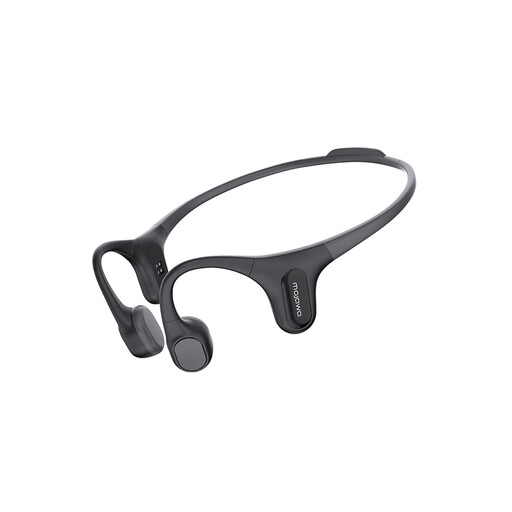
Why it suits this profile: According to the brand’s product information, this model has 32 GB of storage, IP68 water resistance and an open-ear design. It could suit users looking for one pair of headphones for running, the gym and possibly swimming.
The built-in storage and stated IP68 rating mean you don’t need to rely on Bluetooth when using it in water. However, check the manual for permitted swimming conditions.
32 GB of built-in storage, open-ear design and, according to the product description, IP68 protection.
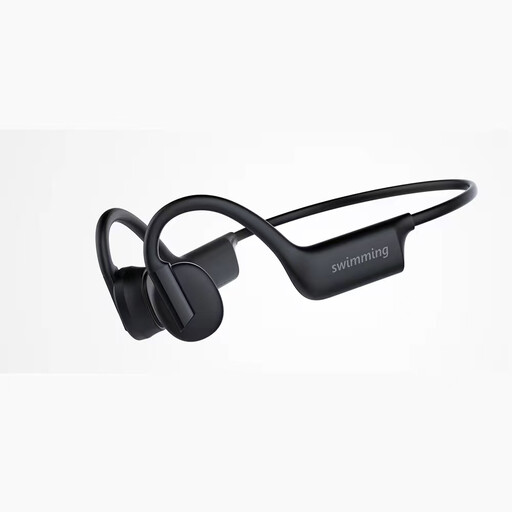
Why it suits this profile: According to the brand’s product information, this model has 32 GB of memory, magnetic charging and a stated IPX8 rating. It’s aimed at users who combine swimming with outdoor sports.
Built-in storage means you don’t need to rely on Bluetooth for music in the pool. Make sure the charging contacts are completely dry after use in water.
32 GB of storage, magnetic charging, Bluetooth and a product description that explicitly mentions swimming.
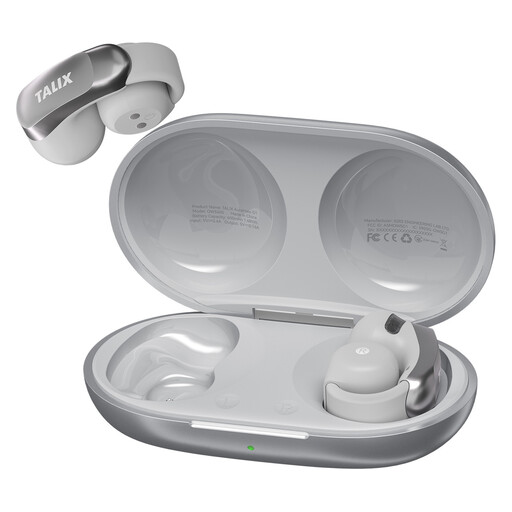
Why it suits this profile: This is a clip-on model, not a traditional pair of bone conduction headphones. According to the product information, each earbud weighs 5.2 grams, has four microphones and offers up to 28 hours of use with the charging case.
The IPX4 rating makes its limitations clear: it’s suitable for sweat and light rain, but not for submersion or swimming.
Four-microphone setup, Bluetooth 5.3, fast charging and up to 28 hours of total playtime with the case.
We’ve put together a complete, up-to-date list of products that meet these strict selection criteria and current European safety regulations.
Bluetooth has limited functionality underwater. For swimming, you’ll need a model with built-in MP3 storage or a similar offline playback feature. Also check the IP rating and the instructions, and make sure the brand explicitly says the headphones are suitable for swimming.
Their lifespan depends on charging cycles, moisture, temperature, volume and maintenance. Let wet headphones dry completely before charging, use the supplied cable and store the device somewhere dry. The stated battery life is a guide to usage, not a guarantee of the battery’s overall lifespan.
An open-ear design can let you hear surrounding sounds, but it doesn’t automatically make cycling safe. Keep the volume low, stay alert to traffic and check local rules. For commuting, a model with a secure fit and simple controls may be more practical than separate wireless earbuds.
