
Vandaag of morgen in huis

Kwaliteit gegarandeerd

Welkomstaanbiedingen ontgrendelen: GRATIS bezorging | Tot 80% korting | Gratis 30 dagen JoyPlus-proefperiode
Download de app
Listening to music while running, cycling, or even swimming is popular, but traditional earbuds block you off from your surroundings. A safe headphone for traffic is therefore essential. A bone conduction headphone offers a solution by transmitting sound via vibrations on your cheekbones, leaving your ears open.
However, choosing the right model is trickier than it seems. Many buyers fall for marketing traps and end up with a product that's uncomfortable or doesn't deliver on its promises. Let's look at the most common pitfalls and how you can avoid them.
Pitfall 1: The "waterproof" claim that isn't meant for swimming. Many bluetooth sports earbuds are advertised as waterproof but only have an IPX4 or IPX5 rating. This means they can withstand sweat and a rain shower, but not submersion. For waterproof earbuds for swimming, you need a much higher certification.
Pitfall 2: An uncomfortable, irritating fit. A bone conduction headphone needs to fit just right. A model that's too tight will cause headaches, while one that's too loose will shift during exercise. A "one-size-fits-all" design is often a recipe for discomfort.
To avoid a bad purchase, it's important to look beyond the marketing slogans. Focus on the objective specifications that determine if a pair of headphones is right for your needs.
The IP (Ingress Protection) rating indicates how well a device is protected against water. This is a crucial factor for a sports headphone for running or cycling.
You wear an open-ear headphone directly on your skin, so comfort is essential. Most frames are made of a titanium alloy. This material is both flexible and strong, allowing the headphones to stay securely in place without applying too much pressure. This is especially important for headphones for cycling, as they must fit comfortably under a helmet. Pay attention to the weight and finish of the material to prevent irritation during long sessions.
Bone conduction technology delivers a different kind of sound than traditional headphones. The bass response is often less powerful. The focus is on clarity and the open-ear design. A stable Bluetooth connection is, of course, a requirement for Bluetooth sports earbuds so your music doesn't stutter while you're moving.
Based on these criteria, we have selected a few models that suit different user profiles.
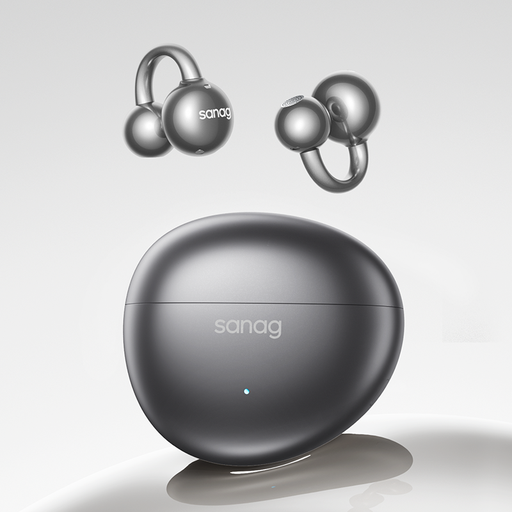
Why This Fits Their Persona: This model is a solid all-rounder for athletes who want to remain aware of their surroundings. The over-ear design ensures a stable fit during running or cycling, while allowing you to hear traffic clearly.
The flexible frame provides a comfortable fit without the pressure points often felt with poorly designed models, making it ideal for longer workouts.
Stable fit for active sports; open-ear design for traffic safety.
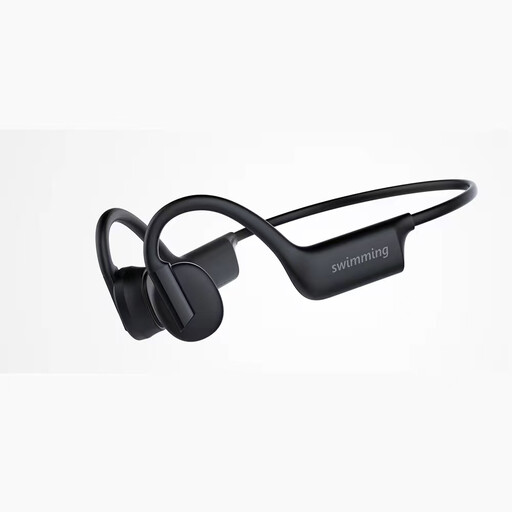
Why This Fits Their Persona: For those who swim laps in the pool. This model is not only fully waterproof but also has internal memory, so you can listen to music without relying on a Bluetooth connection, which fails underwater.
This model bypasses the pitfall of misleading waterproof claims. The IPX8 rating is verified for submersion, and the built-in 32GB of storage solves the connectivity problem in the water.
Fully waterproof (IPX8); 32GB of internal memory for music storage.
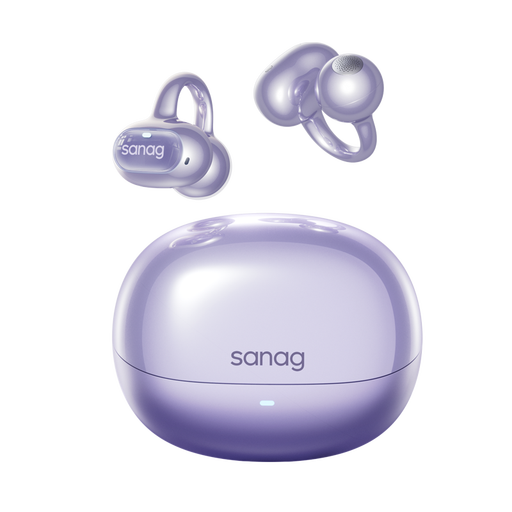
Why This Fits Their Persona: Not everyone finds the neckband of a traditional bone conduction headphone comfortable. This ear-clip model offers an alternative. It clips gently onto your ear, leaving the ear canal completely open, which is ideal for glasses wearers or those looking for a minimalist design.
This model tackles the comfort pitfall by offering a completely different design. There's no neckband and no pressure on the cheekbones, which can be a great solution for users who find traditional models uncomfortable.
Lightweight clip-on design; no neckband for maximum freedom of movement.
We have compiled a complete, up-to-date list of products that meet these selection criteria and local regulations.
Can people around me hear my music? A bone conduction headphone is not completely silent to bystanders. At higher volumes, there can be some "sound leakage." In a quiet environment, like an office or a quiet train car, people close to you might hear something. However, outdoors during sports, this effect is negligible.
Are bone conduction headphones better for your ears? Because the technology bypasses the ear canal and eardrum, it's often seen as a comfortable alternative for people who are bothered by traditional earbuds. It prevents the buildup of pressure and heat in the ear. However, just like with any headphone, prolonged listening at excessively high volumes can still strain the inner ear (cochlea). So, use them at a responsible volume.
How do I know if bone conduction headphones will fit well? A good fit is personal. The band should rest securely but comfortably behind your head and over your ears, with the transducers lying flat on your cheekbones (just in front of your ears). The headphones should not pinch or shift when you move your head. Models with a flexible titanium frame often offer the best balance of stability and comfort.
