
Livraison le jour même et le lendemain

Qualité garantie

Débloquez vos offres de bienvenue: Livraison GRATUITE | Jusqu'à -80 % | 30 jours d'essai gratuits à JoyPlus
Téléchargez l'application
A body cream can leave your skin feeling soft, give it a pleasant scent and help ease that tight feeling after a shower. But choosing one isn’t as straightforward as a pretty package might suggest. Some formulas are lightweight and absorb quickly, while others contain more butters and oils and are better suited to dry skin. Products are also sometimes described as hydrating or rejuvenating without making it clear which ingredients or usage advice support these claims.
Use these practical checks to compare body cream, body lotion and body butter based on their contents, texture, scent and intended use.
A scented cream can smell lovely, but fragrance says little about its hydrating properties. Fragrance ingredients may also be less suitable for people who react easily to scented products. Check the ingredients list and consider choosing a fragrance-free formula if you have sensitive or easily irritated skin.
A fragranced cream or strongly scented body cream is a good fit if you want to combine body care and fragrance in one routine. If you’re unsure, test a small amount on a limited area of skin first.
Body butter feels richer than body lotion and can be lovely on dry areas such as shins, knees and elbows. However, a heavy formula may be less practical for everyday use in the morning if you want to get dressed quickly. A fast-absorbing body cream or lotion may suit you better.
Don’t just look for words such as “rich” or “luxurious”; check the stated consistency and how the product is described as feeling to use.
Brands may mention benefits such as a smoother appearance, collagen support or a more even skin tone. Claims based on a brand’s own research or included in a product description are not universal guarantees for every user. Focus on details you can check: contents, intended area of use, ingredients, fragrance and warnings.
For products containing fruit acids, vitamin C or fragrance, it’s a good idea to read the safety information and advice on patch testing.
The amount in the pack partly determines how long a product will last. A 240 ml pack is practical for daily use over the whole body. A 75 ml size is more compact and suitable for taking with you or trying first. Hand cream is often sold in smaller packs because you only need a small amount each time.
Compare packs on more than just price: check the price per 100 ml too. This helps you avoid assuming that a small luxury product is automatically better value.
If you have dry skin, look out for ingredients such as glycerine, shea butter, hyaluronic acid, plant oils and other moisture-retaining ingredients. However, the presence of an ingredient alone doesn’t determine how a formula will feel on your skin.
Check whether the cream is intended for your body, hands or face. Face creams often have a different texture and directions for use from body products, so don’t assume you can use a body cream on your face.
For a fragranced cream, the fragrance category and any listed fragrance allergens are relevant. Product information can change, so always check the label before use for the latest ingredients list, shelf life and period after opening. Also look out for warnings such as “for external use only” and “avoid contact with eyes”.
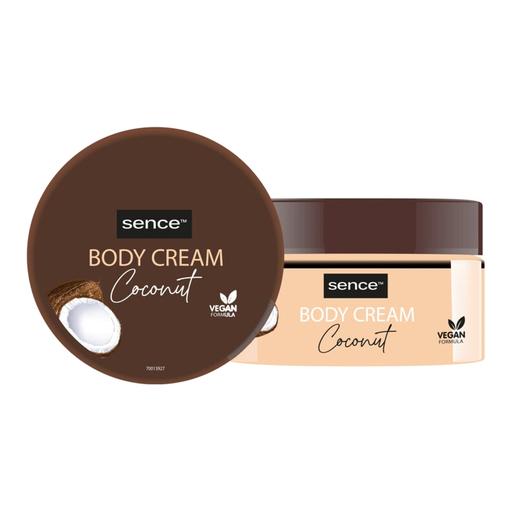
Why it suits this profile: The 200 ml pack is an accessible choice for everyday use, with a familiar coconut scent.
The product description clearly states the contents and coconut scent, so you don’t have to base your choice on the packaging alone.
200 ml; creamy body cream with a coconut scent, according to the product information.
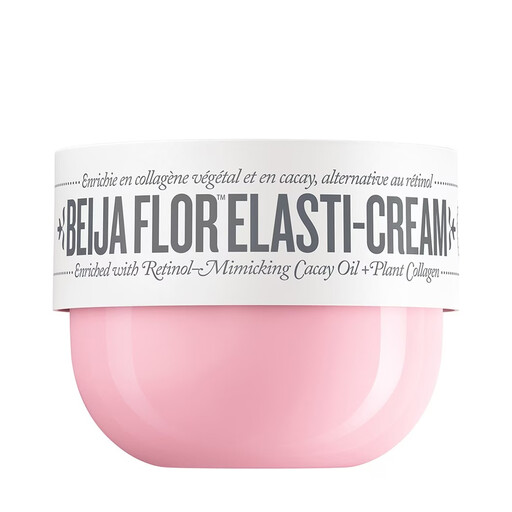
Why it suits this profile: If you’re looking for a luxurious body cream for a regular daily routine, this comes in a generous pack and has a floral scent.
The product details state that it contains 240 ml, has a cream consistency and floral scent, and is for use on the body. This makes it easier to compare with other products than relying on claims about appearance alone.
240 ml; fast-absorbing cream with butters and botanical oils, according to the product description.
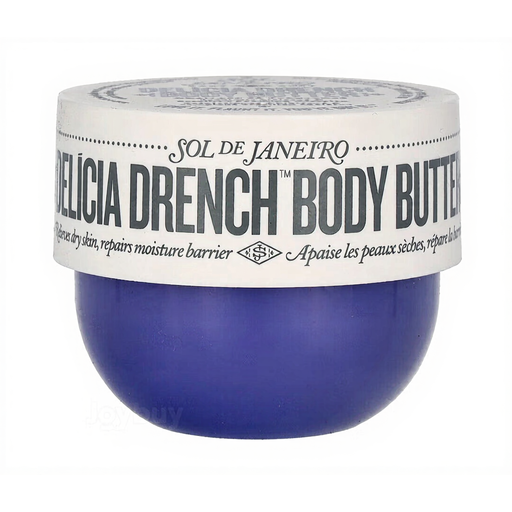
Why it suits this profile: The compact size is ideal if you want to try a richer body butter or take a skincare product with you when you’re out and about.
The 75 ml contents are clearly stated. That means you don’t have to buy a large size before finding out whether the richer texture suits your routine.
75 ml; body butter with hyaluronic acid, bacuri butter and hibiscus, according to the product description.
We’ve put together a complete, up-to-date list of products that meet these strict selection criteria and current European safety regulations.
Apply body cream to clean, dry skin. It can feel good to apply it after a shower, but pat your skin dry first so the cream doesn’t become unnecessarily diluted. Spread the product over dry areas and massage it in gently. With body butter, a smaller amount is often enough.
Use products containing fruit acids or other active ingredients as directed on the packaging. For example, the product description for Sol de Janeiro Bom Dia Bright mentions fruit acids and vitamin C and recommends a patch test, especially if you have sensitive skin or allergies. According to the product information, irritation may occur; stop using it if you experience any problems and avoid contact with your eyes.
Not necessarily. Body lotion is often lighter, while body cream or body butter can feel richer. Consider the ingredients, texture and how often you want to use the product. A richer product may be more practical for very dry areas.
It depends on the amount in the pack, how much you use each time and whether you apply it to specific areas or your whole body. Note the period after opening, for example 12 months if this is stated on the packaging. Store the cream as directed on the label and check its scent, colour and texture before use.
This isn’t generally recommended. Face cream is formulated for the face and often has a different formula. Only use body cream on your face if the packaging specifically says you can. Check the intended area of use for each product and stop using it if irritation occurs.
