
Vandaag of morgen in huis

Kwaliteit gegarandeerd

Welkomstaanbiedingen ontgrendelen: GRATIS bezorging | Tot 80% korting | Gratis 30 dagen JoyPlus-proefperiode
Download de app
A good body oil can feel soothing on dry, tight skin, especially after showering or bathing. However, choosing the right one is not as simple as the attractive label might suggest. One oil may be intended for the body, while another may also be suitable for the face or hair. Fragrance, absorption speed and ingredients can also make a noticeable difference in everyday use.
A natural body oil may contain plant oils, but that does not automatically mean the product is suitable for every sensitive skin type. Essential oils and fragrance may smell pleasant, for example, but they are not suitable for everyone. Always check the full ingredients list and look out for known allergens such as limonene, linalool, citral or geraniol.
Terms such as vegan, organic and natural also each have their own meaning. Look for a certification mark, check the ingredients and read the product information rather than relying solely on the front of the packaging.
Oil mainly helps the skin’s surface feel supple and can help retain moisture. On its own, the product does not always add much water to the skin. For a hydrating body oil, applying it to slightly damp skin is therefore often practical. If you have very dry skin, you can combine oil with a body lotion, unless the instructions say otherwise.
A fast-absorbing body oil can be useful if you want to get dressed straight away. However, how it feels depends on the amount used, the condition of your skin and the formula. A thick layer of oil will remain on the skin for longer than a few drops. Ideally, test a small amount first and massage the oil in thoroughly.
For a body oil for dry skin, commonly used ingredients include jojoba, macadamia, almond, safflower, coconut and sea buckthorn oils. Do not focus only on one prominent ingredient; look at the complete formula. A short ingredients list can be easy to understand, while a blend of several oils may create a different texture.
For sensitive skin, it may be worth considering fragrance-free formulas or products without essential oils. Also check the warnings: body oil is intended for external use and should not get into your eyes or be applied to damaged skin.
A traditional body oil feels different from a dry oil or an oil gel. Dry oil is usually lighter and is often chosen for use on the body, face and hair. An oil gel, such as some Vaseline formulas, may feel richer and is useful for larger areas of dry skin.
Also check whether the product is genuinely multifunctional. Some oils are specifically developed as body oils, while a face and hair oil may come in a smaller bottle with more precise dosing.
A 100 ml bottle is practical for everyday use and takes up little space. A 200 ml bottle may offer better value when you apply the oil generously to your legs, arms and torso. For the face or hair, a few drops are often enough, meaning a 30 ml bottle may last longer.
Pay attention to the period after opening. Some products state a period of six months, for example, while others refer you to the label. Store oil in a cool, dry place away from direct sunlight. A spray can be convenient for the body, but spray the oil into your hand first when using it on your face.
The choices below are based on the stated product contents, ingredients, size and instructions for use. Brand claims about effects on the skin are not presented as guaranteed results.
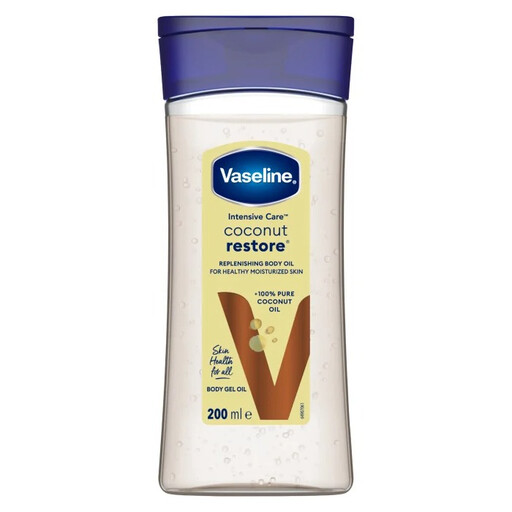
Why it suits this profile: The 200 ml bottle is suitable for everyday use on larger areas of the body, especially after showering.
The product description mentions a lightweight oil-gel texture that absorbs quickly. This makes it less likely that you will be left with a heavy, sticky layer.
200 ml; coconut oil and vitamin E according to the product information; suitable for use on dry or slightly damp skin.
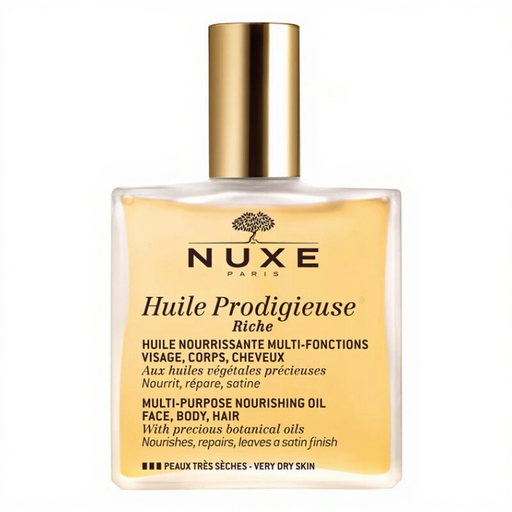
Why it suits this profile: Ideal if you want to use one product for your face, body and hair.
The product description states that it contains 98.1% ingredients of natural origin and can be used on the face, body and hair. However, check the current ingredients list yourself if fragrance is a concern.
Multifunctional; 100 ml; a non-greasy texture according to the product description.
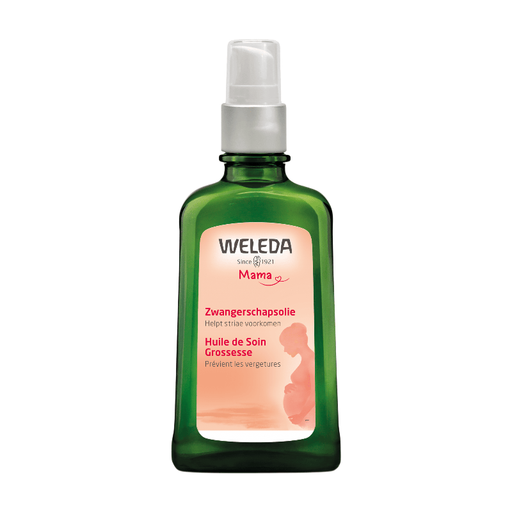
Why it suits this profile: Designed for daily use during pregnancy and afterwards on the stomach, breasts, thighs and buttocks.
The product information describes almond, wheatgerm and jojoba oils and states that it can be used during pregnancy. During pregnancy, always check the label yourself and discuss any concerns about the ingredients with your midwife or doctor.
100 ml; intended for daily massage; product information states that it contains 100% natural ingredients and has a NATRUE certification.
If you are looking for a vegan body oil, it is worth checking the product page or packaging. A plant-based formula is not automatically vegan, and a natural product is not necessarily fragrance-free.
We have compiled a complete, up-to-date list of products that fully meet these strict selection criteria and the applicable European safety regulations.
It can be, particularly when you apply the oil to slightly damp skin immediately after washing. If you have sensitive skin, check the ingredients and choose a formula that matches your preferences regarding fragrance, essential oils and texture.
Only when the product information says so. A multifunctional oil, such as the Nuxe Multi-Purpose Nourishing Oil, is described as being intended for the face, body and hair. A standard body oil does not automatically have the same uses.
This varies from one product to another. Some packaging states 6 months after opening, for example, while others refer you to the shelf-life information on the label. Make a note of the opening date and store the bottle away from direct sunlight. Stop using the product if its smell, colour or texture changes.
