
Vandaag of morgen in huis

Kwaliteit gegarandeerd

Welkomstaanbiedingen ontgrendelen: GRATIS bezorging | Tot 80% korting | Gratis 30 dagen JoyPlus-proefperiode
Download de app
Body oil can make dry skin feel more comfortable and help it retain moisture after showering. However, not every body oil is suitable for daily use. A rich formula may remain sticky, fragrance may not suit sensitive skin, and a product for stretch marks may promise more than it can substantiate.
So don’t focus solely on words such as “intensive”, “natural” or “firming”. Look at the ingredients, texture, size and instructions for use. This helps you avoid paying for attractive packaging or a claim that does not match your skincare goal.
An oil containing shimmer or reflective particles gives skin an instant glow, but that does not automatically mean it is moisturised for the long term. According to the product description, Vaseline Body Oil Argan contains argan oil, vitamin E, cocoa butter and light-reflecting shimmer particles. This is suitable for giving your legs, arms or shoulders a cared-for appearance, but it is not a body self-tanner and will not give your skin a tan.
An oil for stretch marks can leave skin feeling supple and, according to the product description, may help reduce the appearance of stretch marks. However, results vary from person to person. If a claim mentions a timeframe or percentage, check the source. For example, NIVEA states that, according to its own research, the first results with Luminous630 Anti-Striae Body Oil Serum may become visible after two weeks. This is a brand claim, not a guarantee for every user.
Weleda also mentions smoother-feeling skin for 92% of women. According to Weleda’s own research, this result applies under the conditions of the relevant usage test. So don’t expect an oil to definitively prevent or remove stretch marks.
Natural ingredients can feel pleasant, but essential oils and fragrances can also cause a reaction. Always check the full ingredients list, especially if you have sensitive skin, eczema-prone skin or are pregnant. Before using the product for the first time, carry out a small patch test and use body oil only on intact skin unless the label states otherwise.
For daytime use, a fast-absorbing formula is practical. You don’t want to feel greasy after getting dressed or risk staining your clothes. Oil often feels most comfortable when applied to slightly damp skin after showering. A body butter or oil gel may be more suitable for very dry areas such as the knees, elbows and heels.
Check whether the formula contains ingredients that match your preferences, such as jojoba oil, argan oil, almond oil, sunflower oil, cocoa butter or glycerine. Also check for fragrance and separately listed fragrance allergens. For example, the Sol De Janeiro Delicia Drench Body Butter lists parfum, Alpha-Isomethyl Ionone and Hydroxycitronellal.
A richly fragranced nourishing body oil can be enjoyable, but it is not always the most logical choice for skin that reacts quickly. In that case, choose a simpler formula and test it on a small area of skin first.
Compare the volume in millilitres with the price. A 200 ml bottle is practical for daily use all over the body, while a 100 ml pack is more convenient for targeted care or travelling. Also look for the PAO symbol, such as 6M or 12M. This indicates how long the product can be used after opening. Keep body oil out of direct sunlight and close the packaging securely.
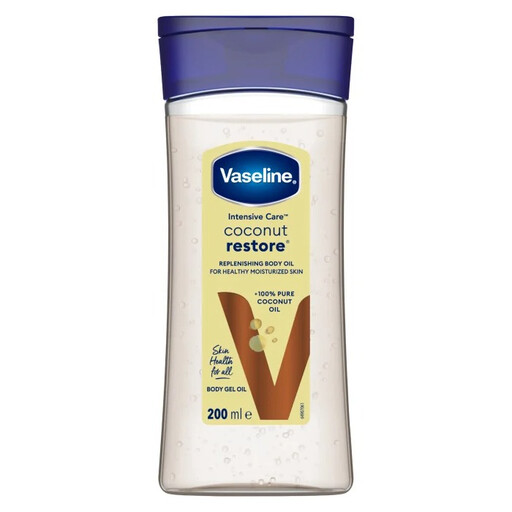
Why it suits this profile: The 200 ml packaging is suitable for daily use after showering. The oil gel texture is designed for dry or dull areas without leaving a heavy, sticky feel.
The product description does not mention self-tanning or make complicated treatment promises. You are primarily buying a moisturising body oil for everyday use.
200 ml; according to the product description, with pure coconut oil and vitamin E; suitable for slightly damp or dry skin.
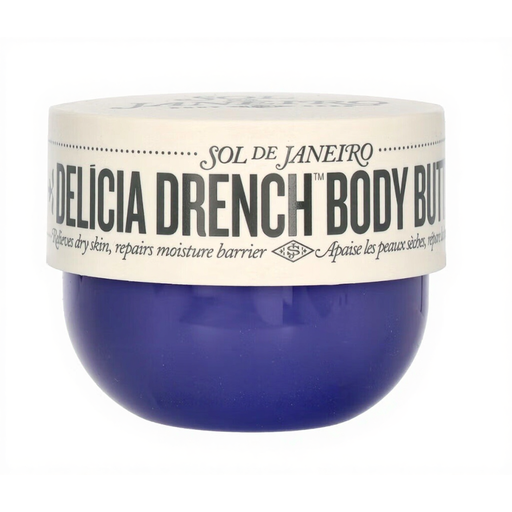
Why it suits this profile: If you are looking for rich, luxurious body care, this rich body butter offers a vanilla orchid and sandalwood fragrance.
This is clearly a body butter rather than a lightweight body oil. You can therefore match the texture honestly to dry skin without expecting a liquid oil.
240 ml; according to the product description, with shea butter, coconut oil, glycerine and sodium hyaluronate; designed for daily use.
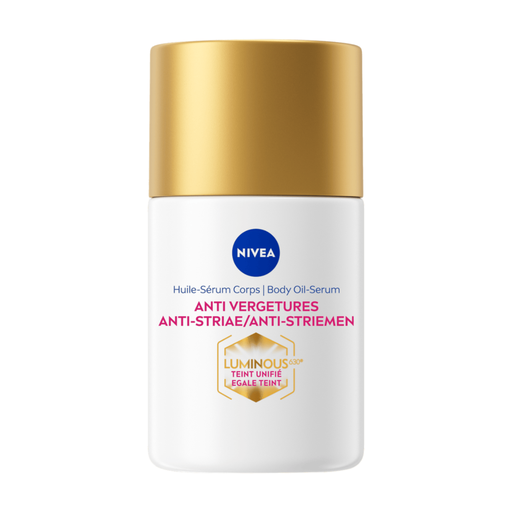
Why it suits this profile: This oil is aimed at areas with stretch marks, for example after pregnancy, hormonal changes or weight changes, and is designed for daily massage.
The intended use and target audience are clearly described. However, check the ingredients and usage advice; the stated results are based on NIVEA’s own research and are not an individual guarantee.
100 ml; according to the product description, up to 48 hours of hydration; suitable for use on clean, dry skin.
We have compiled a complete, up-to-date list of products that fully meet these strict selection criteria and the applicable European safety regulations.
A firming body oil, anti-cellulite oil or oil for dry skin can form part of a massage and skincare routine. The cosmetic effect varies from product to product and from person to person. Oil is not a substitute for medical treatment.
Yes, provided the product is intended for daily use according to the label and your skin tolerates the formula well. Apply a small amount to slightly damp skin. Stop using it if you experience redness, itching or irritation.
That depends on your preference and how dry your skin is. Body oil spreads quickly and is practical after showering. Body butter is generally richer and can feel soothing on very dry areas. You can also alternate between the two products.
Body oil can leave the skin feeling supple and make it look temporarily smoother through hydration and massage. Claims about reducing stretch marks or cellulite come from the brand and should be assessed accordingly. According to the brand’s own research, results may be reported, but individual outcomes vary.
