
Vandaag of morgen in huis

Kwaliteit gegarandeerd

Welkomstaanbiedingen ontgrendelen: GRATIS bezorging | Tot 80% korting | Gratis 30 dagen JoyPlus-proefperiode
Download de app
A good body oil can make dry skin feel more comfortable and help lock in moisture after showering. However, not every oil is suitable for every purpose. A dry body oil works differently from a facial oil, hair oil or oil for scars.
Marketing copy can sometimes make the choice more difficult. So pay particular attention to the ingredients, the area of use and the packaging. This way, you can avoid buying a small bottle for daily body use, or choosing a heavily fragranced oil when your skin reacts quickly.
A natural body oil may contain plant-based oils, but also fragrances or essential oils. Those ingredients are not automatically suitable for sensitive skin. Always check the full ingredients list. Look out for perfume, limonene, linalool and other fragrance allergens.
The term dry oil usually refers to the light texture and fast absorption. It says little about the amount or type of nourishing ingredients. Some formulas use silicones or light emollients for a smooth feel, while others consist mainly of plant-based oils. Choose based on how your skin feels, ease of use and ingredients, not just the name.
Products marketed as oil for stretch marks or oil for scars can make the skin feel supple and, according to the product description, may help reduce their appearance. However, results vary from person to person, depending on skin type and duration of use. A cosmetic product does not replace medical treatment. Do not use oil on an open or damaged wound, and stop if irritation occurs.
For body-only use, a larger bottle is practical. If you want one product for multiple uses, you can opt for a multi-purpose beauty oil suitable for face, body and hair. Do check that the brand actually states these uses.
Plant-based oils such as argan oil, jojoba oil, marula oil, almond oil and sunflower oil are often used in a nourishing skin oil. A short ingredients list makes it easier to identify known allergens. Sensitive skin can also react to fragrances, rosemary oil, lavender oil or other essential oils.
A product containing mineral oil is not automatically unsuitable. Vaseline Body Oil, for example, contains an oil-gel texture with coconut oil and vitamin E, according to the product information. If you specifically want to avoid silicones, mineral oil or perfume, you need to check the ingredients list of each variant separately.
For daily use on arms, legs and tummy, 100 to 200 ml is usually more practical than a 20 or 30 ml bottle. A spray can quickly cover large areas, but it is best to spray the oil into your hand first to avoid slipping and contact with the floor.
A pump or spray dispenser helps with dosing. With oil, less is often enough: too much product can feel sticky or leave marks on clothing. Store the bottle according to the instructions, usually out of direct sunlight and out of reach of children.
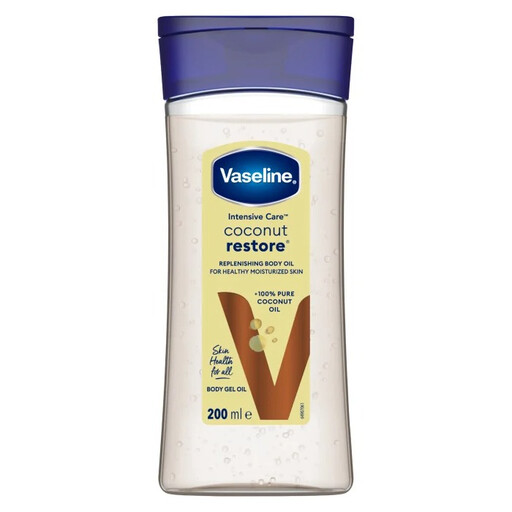
Why this fits the profile: The 200 ml volume is practical for daily use after showering, especially on dry areas such as legs, elbows and knees.
According to the product description, the oil-gel texture is light and fast-absorbing. This makes dosing easier than with a very runny oil.
200 ml volume; contains coconut oil and vitamin E according to the product information; intended for use after bath or shower.
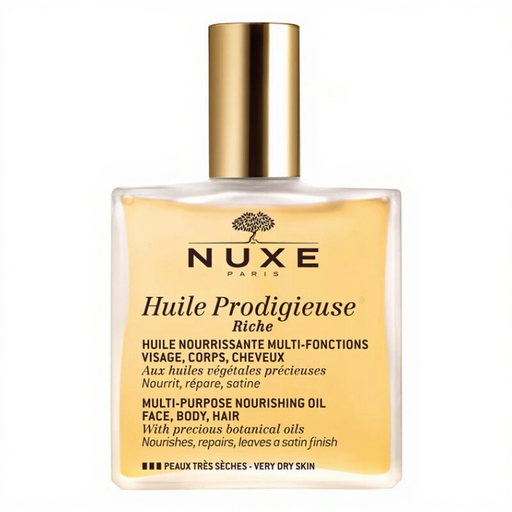
Why this fits the profile: According to the product description, this multi-purpose beauty oil is intended for face, body and hair. That suits an extensive routine with one product.
The product information mentions a non-greasy application and multiple areas of use. Do check the current ingredients list if you want to avoid perfume.
100 ml; suitable for face, body and hair; according to the product description, 98.1% ingredients of natural origin.
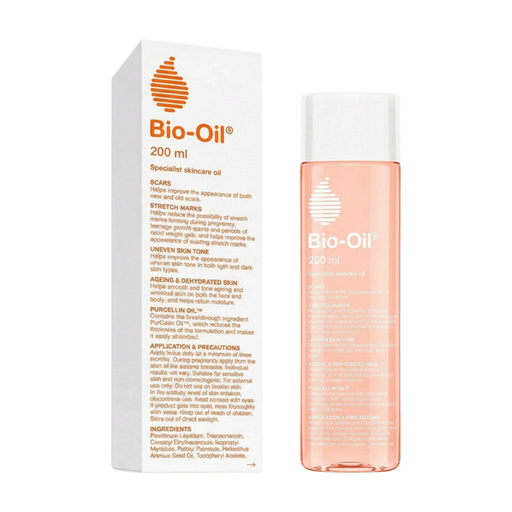
Why this fits the profile: If you are specifically looking for care for dry skin, stretch marks or scars, you get a product with a clearly defined area of use.
The description mentions use on face and body and a light, fast-absorbing formula. The manufacturer states that individual results may vary.
200 ml; contains PurCellin Oil according to the product information; usage advice of twice daily for at least three months.
We have compiled a full, up-to-date list of products that fully meet these strict selection criteria and comply with current European safety regulations.
Apply the oil to clean, slightly damp skin, for example straight after showering. First, spread a small amount between your palms, then massage it in gently. For dry or sensitive skin, it is wise to test a new product on a small area of skin first.
Use a hair oil only on the lengths and ends if the packaging indicates this. A facial oil is usually applied in a few drops, possibly over a moisturiser. Avoid contact with the eyes and do not use oil on damaged skin.
Yes, body oil can help the skin feel supple and lock in moisture. Applying it to slightly damp skin often feels more pleasant than applying it to completely dry skin. For persistent problems or severely irritated skin, advice from a healthcare professional is appropriate.
Follow the expiry date and the period after opening stated on the packaging. Store the oil out of direct sunlight and close the bottle tightly. The smell, colour and texture can change when a product is past its use-by date; do not use it then.
Use a few drops and spread them over slightly damp skin. A dry oil or oil-gel can feel lighter, but the experience varies by formula. Wait a moment before getting dressed and check that the product has been fully absorbed.
