
Vandaag of morgen in huis

Kwaliteit gegarandeerd

Welkomstaanbiedingen ontgrendelen: GRATIS bezorging | Tot 80% korting | Gratis 30 dagen JoyPlus-proefperiode
Download de app
A body oil can make dry areas feel more comfortable, give your skin a radiant finish, and be handy for massage. Yet not every body oil is suitable for every purpose. A strong scent can disappoint, an overly greasy formula can leave marks on clothing, and a small bottle isn’t always good value when you’re using the oil daily all over your body.
Anyone looking for a nourishing oil, hydrating body oil or dry skin oil would therefore do well to look beyond words like “natural”, “firming” or “glow”. Below, you’ll discover which properties really matter and which popular marketing claims you should take with a pinch of salt.
A natural body oil may contain plant-based oils, but that doesn’t automatically mean the formula is suitable for sensitive skin. Essential oils and fragrance, for example, can give a strong scent or be less pleasant for people who react quickly to cosmetics. Always check the full ingredients list and look out for fragrance components such as limonene, citral or citronellol.
“Vegan” is also a specific product attribute, not a guarantee of a particular texture or performance. Check whether the vegan claim actually appears in the product information.
Searches for oil for cellulite and oil for stretch marks are common. An oil can make the skin feel supple and make massage easier. However, the visibility of cellulite or stretch marks varies from person to person. Claims about reduction or firming are not a guaranteed result for every user.
According to Weleda’s own research, an improvement in suppleness was measured under specific conditions for the Birch Anti-cellulite Oil. The brand also mentions results from a user test. This doesn’t mean every user will see the same effect. Use such information as context, not as a promise.
The term dry oil usually refers to a light oil that absorbs relatively quickly. Your skin can still have an oily layer afterwards, especially if you use too much product. A spray can be handy for large areas, while a dropper bottle gives you more control for the face, hair or small dry patches.
For daily use, a formula that absorbs quickly is practical, especially in the UK when you want to get dressed straight after showering. Apply the oil to slightly damp skin; this way you can spread the product more thinly. A rich oil is better suited to very dry areas, but may take longer to absorb.
Look out for these descriptions:
For dry skin, oils such as argan oil, jojoba oil, marula oil, almond oil, coconut oil or cocoa butter can be of interest. These ingredients help the skin feel soft and cared for. However, an oil doesn’t automatically replace a cream or lotion; some people prefer using a combination.
For sensitive skin, fragrance-free or more simply formulated products are often worth considering. When trying a new product, first do a small patch test on a limited area of skin. Do not use body oil on damaged or irritated skin, and avoid contact with the eyes.
Always compare the volume. A 30 ml bottle can be suitable as a face and hair oil, but is less practical for daily use on both legs and arms. Sizes of 100 to 200 ml are generally more convenient for body care.
A spray distributes oil quickly, but it’s best to spray it into the palm of your hand first. This prevents the product from ending up on the floor. Also check the shelf life after opening and follow the information on the packaging. Store oils in a cool, dry place away from direct sunlight.
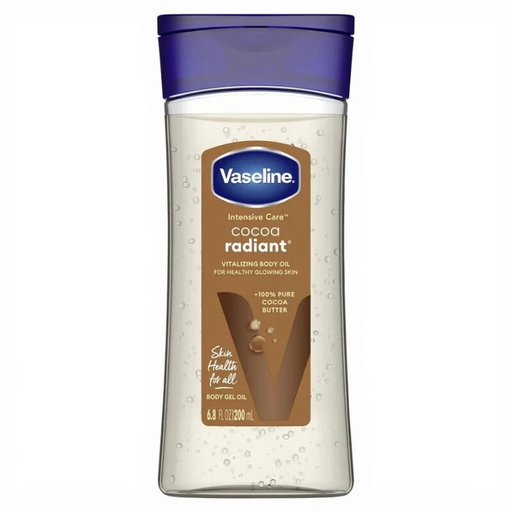
Why this fits the profile: The 200 ml size is practical for daily use on the body. The oil-gel texture is designed for dry and sensitive skin and contains cocoa butter.
The volume makes daily body use more straightforward than a small face oil size. The product description mentions a light, fast-absorbing formula.
200 ml volume; cocoa butter; designed to absorb quickly without a sticky feel.
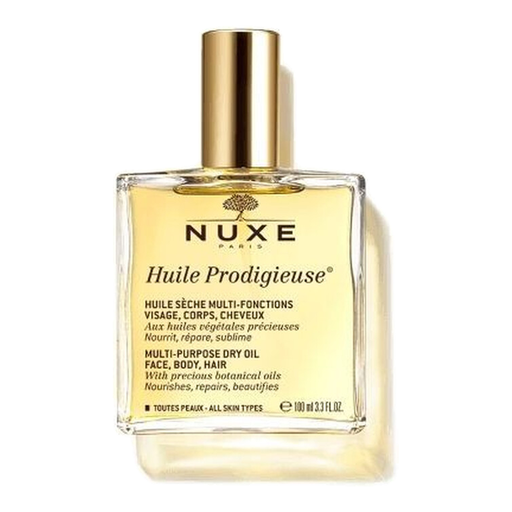
Why this fits the profile: This multi-purpose oil is designed for face, body and hair. The spray packaging and light texture suit someone looking for one product for multiple routines.
The application is clearly defined for three areas. The product information mentions seven plant-based oils and a spray format; check the fragrance if you are sensitive to perfume.
100 ml; use on face, body and hair; dermatologically tested according to the product data.
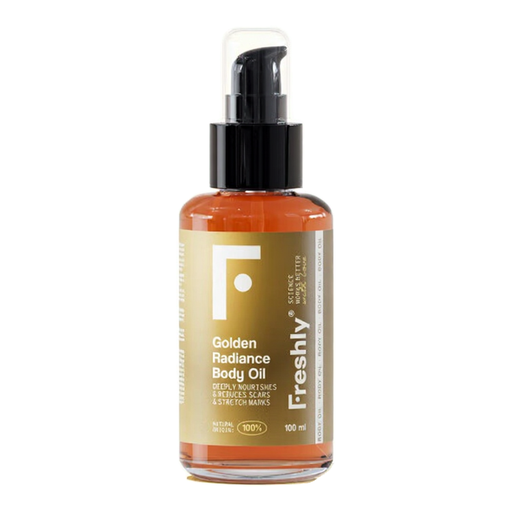
Why this fits the profile: This nourishing skin oil is aimed at body care and contains twelve plant-based oils according to the product information. The description mentions fast absorption and use on dry or damp skin.
The product data mentions a 100% natural formula without parabens, silicones and mineral oil. If you have sensitive skin, do check the listed fragrance components.
100 ml; twelve plant-based oils according to the ingredients list; suitable for use during pregnancy according to the product description.
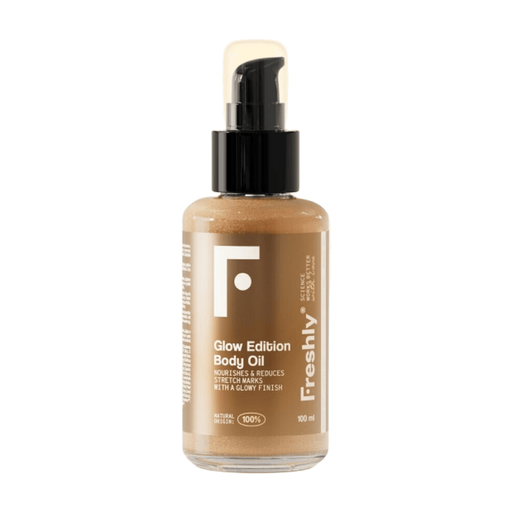
Why this fits the profile: The oil is designed for a radiant complexion with a golden shimmer. This makes it suitable for bare arms, legs or an occasion where you want a visible finish.
According to the product description, the glow comes from mineral mica. So expect a cosmetic shimmer effect, not a permanent change to the skin.
100 ml; twelve plant-based oils according to the product information; vegan and dermatologically tested according to the stated product specifications.
During pregnancy, if you have very sensitive skin, or if you are unsure about an ingredient, it is wise to read the label carefully and, if necessary, ask a doctor or pharmacist for advice. Cosmetic oil is intended for external use only and does not replace medical treatment.
We have compiled a full, up-to-date list of products that fully meet these strict selection criteria and comply with current European safety regulations.
Yes, a body oil can help the skin feel soft and cared for. Oils lock in moisture, but they don’t always add water themselves. Applying to slightly damp skin or after a body lotion can therefore be more comfortable.
That depends on the product information. A multi-purpose oil such as Nuxe Huile Prodigieuse is described as being intended for face, body and hair. A pure essential oil, such as rose oil, on the other hand, must be diluted according to the safety instructions and is not the same as a ready-to-use body oil.
Check the expiry date and the period after opening on the packaging. Store the bottle away from sunlight and close it tightly. A change in smell, colour or texture can be a reason not to use the product any longer.
