
Vandaag of morgen in huis

Kwaliteit gegarandeerd

Welkomstaanbiedingen ontgrendelen: GRATIS bezorging | Tot 80% korting | Gratis 30 dagen JoyPlus-proefperiode
Download de app
A body oil can leave your skin feeling soft, help lock in moisture and give it a healthy-looking glow. However, not every oil is automatically suitable for every skin type or every use. A dry oil for face, body and hair has different properties to an intensive oil for dry legs or a product for massage.
Marketing terms like “natural”, “firming” or “anti-stretch mark” sound appealing, but they don’t always tell you enough about the formula. With these practical checkpoints, you can compare a nourishing body oil, body oil or multi-purpose oil in a level-headed way.
“Natural” can refer to part of the ingredients, while the full composition is broader. Always check the ingredients list, therefore. Also pay attention to fragrance and essential oils if you have sensitive skin. A product with a plant-based base can still contain scents that aren’t pleasant for everyone.
With a product that carries a certification mark, such as NATRUE, you can consult the product information and the conditions of that certification. Only use “100% natural” if this actually appears on the packaging or in the official product information.
Oil mainly provides a caring layer and helps to lock moisture into the skin. It isn’t always a replacement for a cream or lotion. For very dry skin, applying it to slightly damp skin often works more practically than on completely dry skin.
A hydrating body oil can be pleasant after showering, but also look at the texture. A dry oil generally absorbs more quickly; a richer formula can stay on the skin for longer.
An anti-cellulite oil, stretch mark oil or firming body oil can be part of a massage and care routine. However, don’t expect a guaranteed change in skin structure. According to Weleda’s own research, an improvement in skin elasticity was measured with a specific frequency of use; results can vary from person to person. Claims from NIVEA and Freshly Cosmetics about stretch marks should also be seen as brand claims and not as a guaranteed result for every user.
Not every body oil is suitable for the face or hair. Check whether the packaging explicitly mentions body, face, hair or multiple areas.
Plant-based oils such as jojoba, argan, marula, macadamia and sea buckthorn oil are often used in natural body oil. However, the effect and skin feel differ per formula. Therefore, look at the full ingredients list and test a new product on a small area of skin first.
For sensitive skin, fragrance-free or low-fragrance formulas are worth considering. The product information for Jurlique Rose Body Oil, for example, lists various fragrance ingredients, including linalool, geraniol and citronellol. That’s relevant information if you react sensitively to fragrance.
Pay attention to the volume and the method of dispensing. A 100 ml bottle is common for body oil; a face oil of 20 or 30 ml is intended for smaller amounts. A spray can be handy for larger body areas, while a dropper bottle gives you more control for the face.
Apply oil sparingly as a rule. Massage hair oil mainly into the lengths and ends, and with a body oil give extra attention to dry areas. Always follow the usage instructions on the packaging and avoid contact with the eyes.
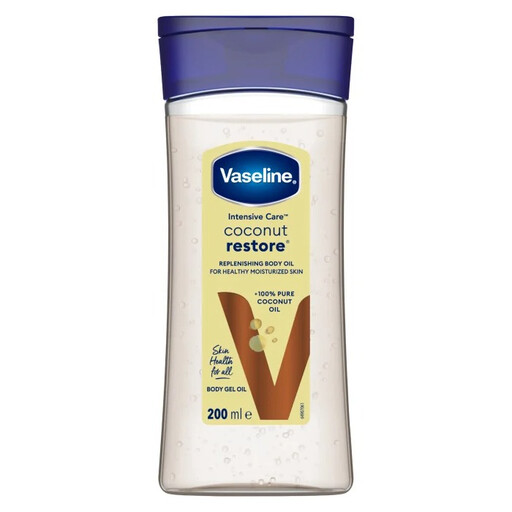
Why this fits the profile: The 200 ml volume is practical for daily use on the body, especially after showering and on dry areas.
The product information clearly states that it is an oil-gel for the body. So you won’t mistake it for a face oil or hair oil.
200 ml, coconut oil and vitamin E according to the product information; intended for use on slightly damp or dry skin.
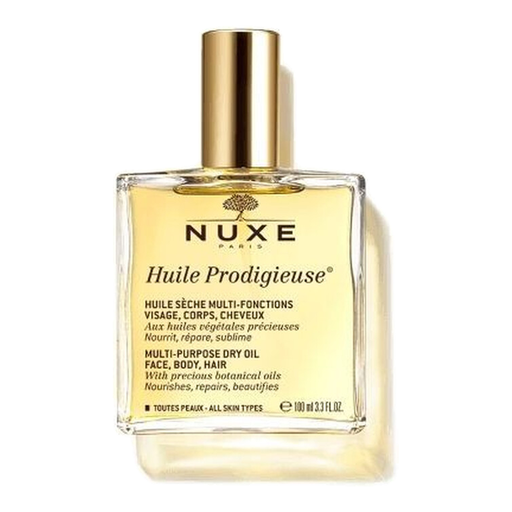
Why this fits the profile: According to the product description, this dry oil is intended for face, body and hair, with a spray format for easy dispensing.
The application for three areas is explicitly described. Here, the term multi-purpose is linked to a concrete usage instruction.
100 ml, seven plant-based oils according to the product information and a light texture for face, body and hair.
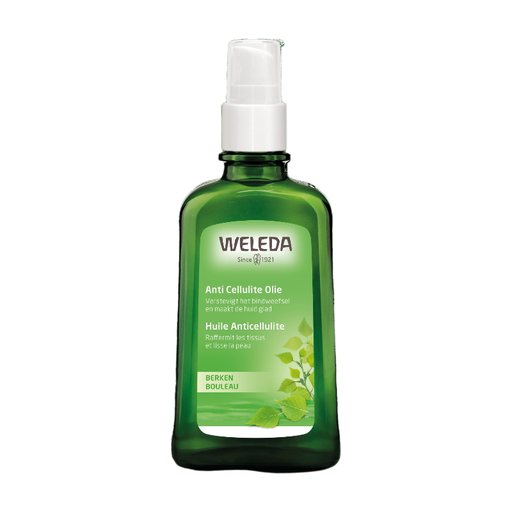
Why this fits the profile: The formula is targeted at areas such as thighs, buttocks, hips and abdomen and can be applied with massage according to the product description.
The brand claim about cellulite is not presented as a guarantee. The practical benefit is the combination of oil and massage, possibly with a massage cup.
100 ml, wheat germ oil and organic rosemary extract according to the product information; suitable for daily massage.
We’ve put together a full, up-to-date list of products that fully meet these strict selection criteria and comply with current European safety regulations.
Yes, an oil for dry skin can help your skin feel soft and limit moisture loss. Apply the oil preferably to slightly damp skin after showering. If irritation occurs, stop using it and check the ingredients.
That depends on the formula and your skin’s needs. Many products are intended for daily use. Follow the packaging and start with a small amount. With an anti-cellulite oil, massage can be part of the recommended routine, but the result varies from person to person.
Check the shelf-life information on the packaging and the symbol for the period after opening, such as 6M. Store the bottle in a cool, dry place away from direct sunlight, and close it tightly. A change in smell, colour or texture is a reason not to use the product any more.
Only when the product information states this. A multi-purpose oil can be suitable for face, body and hair, whereas a regular body oil may not be intended for that. For hair, use a few drops in the lengths and ends to avoid a heavy or greasy feel.
