
Vandaag of morgen in huis

Kwaliteit gegarandeerd

Welkomstaanbiedingen ontgrendelen: GRATIS bezorging | Tot 80% korting | Gratis 30 dagen JoyPlus-proefperiode
Download de app
A body oil can leave dry, tight-feeling skin feeling soft and give it a healthy-looking glow. However, not every body oil is suitable for every purpose. An oil for your legs needs different properties to a face and hair oil or a pregnancy oil.
Marketing copy can sometimes make it difficult to compare products fairly. So pay particular attention to the ingredients list, how it's applied and the texture. Below, you'll find out which pitfalls are common, which specifications matter, and which body oil suits different usage profiles.
An oil primarily helps to lock moisture into the skin. That doesn't automatically mean the formula itself adds much water. For very dry skin, an oil often works better on slightly damp skin or in combination with a body cream.
A fast-absorbing, dry oil can feel comfortable, but it isn't necessarily more intensive than a richer body oil. So look at the combination of oils, emollient ingredients and the usage advice.
Brands present some products as an oil for stretch marks, scars or pigmentation spots. According to a brand's or manufacturer's own research, a product may help reduce their visibility, but individual results vary. A cosmetic oil is no guarantee that stretch marks or scars will disappear.
Especially during pregnancy, growth spurts or weight changes, regular massage is a practical self-care routine. For sensitive skin, always check the ingredients and, if you're unsure during pregnancy, discuss it with your midwife or doctor.
A natural body oil isn't automatically fragrance-free or suitable for every sensitive skin type. Rose oil, lavender oil, citrus oil and perfume can smell lovely, but some people react to fragrance ingredients. So check for names like Limonene, Linalool, Citral and perfume in the ingredients list.
First, decide what you need the oil for:
A product for body, face and hair is convenient, but it may have a fragrance or texture that not everyone likes on every area.
A dry oil usually feels lighter and, according to the product description, absorbs more quickly. A classic oil can be richer and better suited to a massage or very dry skin. Also pay attention to the packaging: a spray distributes the product quickly, while a pump or cap gives you more control over the amount.
Apply a small amount first. Too much oil can leave a slippery surface on the skin, cause marks on clothing or feel sticky, even if the manufacturer claims fast absorption.
Look for concrete information such as:
A claim like "100% natural" doesn't mean a product is suitable for everyone. The ingredients list and warnings remain the deciding factors. If you have sensitive skin, first test a small amount on a limited area. Use body oil for external use only and not on damaged or irritated skin.
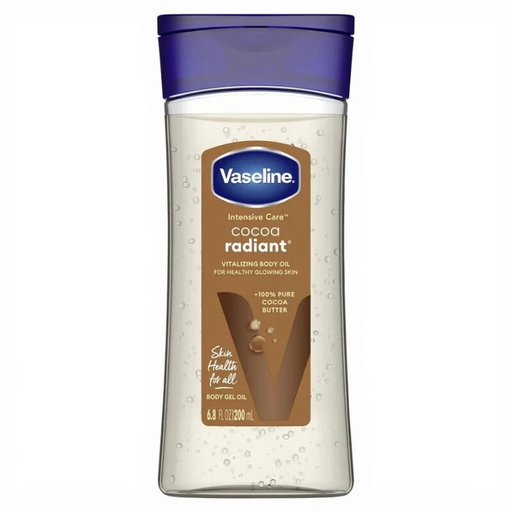
Why this suits the profile: The 200 ml volume is practical for daily use on larger body areas. The product description mentions cocoa butter and a light, non-greasy texture.
The clear content and usage make comparing by quantity easier than relying solely on a shine or luxury claim.
200 ml, with cocoa butter and intended for dry and sensitive skin according to the product information.
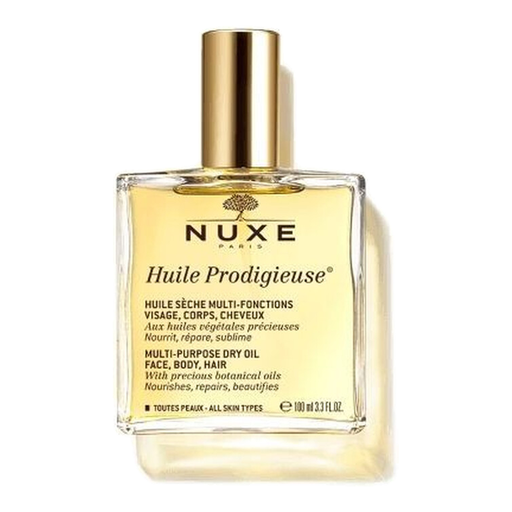
Why this suits the profile: This multi-purpose dry oil is, according to the specifications, intended for face, body and hair, with a spray packaging and seven plant oils.
The application is clearly described. You know in advance that the product isn't intended solely as a body oil.
100 ml, spray format, suitable for face, body and hair; the product information states vegan and paraben-free.
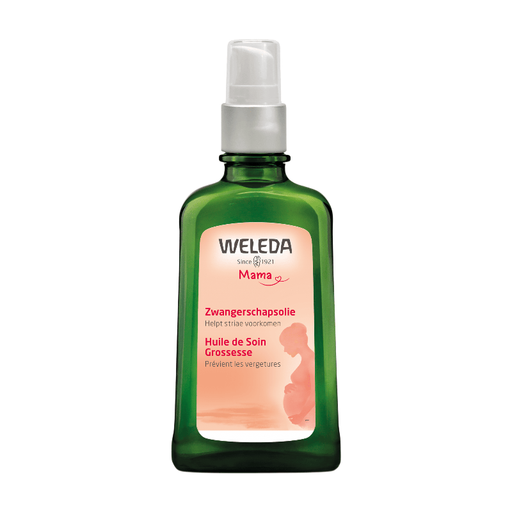
Why this suits the profile: This pregnancy oil is specifically intended for the tummy, breasts, thighs and bottom. The product information mentions almond, wheat germ and jojoba oil.
The application and period of use are specifically described. Claims about stretch marks remain brand claims; results can vary from person to person.
100 ml, intended for daily massage and with a NATRUE mention according to the product description.
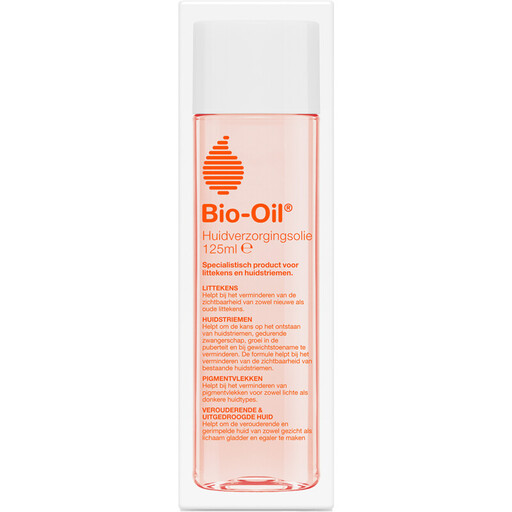
Why this suits the profile: According to the product data, the oil is intended for dry and mature skin and for the care of scars, stretch marks and pigmentation spots.
The manufacturer clearly states that individual results vary. Therefore, the product isn't based on a guarantee about scars or stretch marks.
125 ml, contains PurCellin Oil according to the product information and is stated as dermatologically tested.
We've put together a full, up-to-date list of products that fully meet these strict selection criteria and current European safety regulations.
Apply the oil preferably after showering, when your skin is still slightly damp. Distribute a small amount with gentle, slow movements. For dry skin, you can follow with a body cream. Let the product absorb before getting dressed and avoid contact with eyes or damaged skin.
Store the bottle according to the label, away from direct sunlight and out of reach of children. Always check the most recent ingredients list on the packaging before purchase and use, as formulas can change.
It can be, especially when you apply the oil to damp skin or combine it with a cream. An oil locks in moisture, but it doesn't always replace a hydrating product with water-binding ingredients. Choose a richer formula if your skin feels tight, and a dry oil when you need to get dressed quickly.
That depends on your skin and the product advice. Daily use after showering is common for dry skin, pregnancy oil and stretch mark care. Start with a small amount to avoid a greasy layer or marks on clothing.
Only when the product description mentions these uses. A multi-purpose oil, such as a face and hair oil, is designed for that. First test a small amount on your face and pay extra attention to perfume and essential oils if your skin is sensitive.
