
Vandaag of morgen in huis

Kwaliteit gegarandeerd

Welkomstaanbiedingen ontgrendelen: GRATIS bezorging | Tot 80% korting | Gratis 30 dagen JoyPlus-proefperiode
Download de app
A body oil can make dry skin feel more comfortable, but not every oil is suitable for daily use. Some formulas absorb slowly and leave marks on clothing. Others contain fragrance or essential oils that may not be ideal for sensitive skin. And claims about stretch marks, scars or pigmentation call for a critical eye.
The right choice, therefore, depends on more than just the scent or packaging. Pay close attention to the ingredients, when you plan to use it, and what your skin actually needs.
An oil often leaves a comfortable layer on the skin and helps lock in existing moisture. That doesn't automatically mean the formula itself adds much hydration. Ingredients such as glycerine, hyaluronic acid or sodium hyaluronate can help bind moisture, while plant oils and silicones mainly contribute to a smooth skin feel.
For a hydrating body oil, the combination matters: humectants for hydration, plus oils or other emollients to keep the skin's surface supple.
An oil for stretch marks or an oil for scars can make the skin feel softer and smoother. However, the visibility of stretch marks, scars or pigmentation varies from person to person. When a brand mentions research results, you should look at the source and the testing method.
For example, Nuxe states that the claim about visible stretch marks is based on a usage test with 26 volunteers and a dermatologist's assessment after 56 days. According to NIVEA's own research, the first visible results of Luminous630 Anti-Striae Body Oil Serum may appear from two weeks. Such results are no guarantee for every user.
A natural body oil can contain fragrance, citrus oil or other aromatic components. These ingredients aren't necessarily unsuitable, but they can irritate sensitive skin. Always check the full ingredients list, especially when you're looking for a body oil for sensitive skin.
For dry or dehydrated skin, common ingredients include sunflower oil, jojoba oil, macadamia oil, argan oil, coconut oil, sea buckthorn oil and vitamin E. Also look out for potential fragrance ingredients such as limonene, linalool, parfum and citronellol.
For sensitive skin:
"Dermatologically tested", "vegan" or "natural" doesn't in itself mean a product is suitable for everyone. Check exactly what it says on the packaging and in the product information.
A fast-absorbing body oil is practical for daytime use and under clothing. An oil-gel formula, such as Vaseline Body Oil Coconut Restore, can feel less runny and, according to the product description, absorbs quickly without leaving a sticky feel.
Apply pure oil to slightly damp skin after showering. This helps the oil spread more easily and leaves a lighter feel on the skin. A shower oil works differently: you apply it to wet skin and then rinse it off. NIVEA Natural Oil Shower Oil is therefore not a leave-on body oil.
If you're looking for an oil for stretch marks during pregnancy, it's wise to read the ingredients and warnings carefully. A brand may state that a product is suitable during pregnancy, but always check the current packaging and, if in doubt, ask your midwife, GP or pharmacist for advice.
Freshly Cosmetics states that Golden Radiance Body Oil is safely recommended during pregnancy according to the product information. Bio-Oil contains retinyl palmitate in its listed ingredients. Therefore, do not automatically use this product during pregnancy without professional advice, even if you intend to use it as an oil for stretch marks during pregnancy.
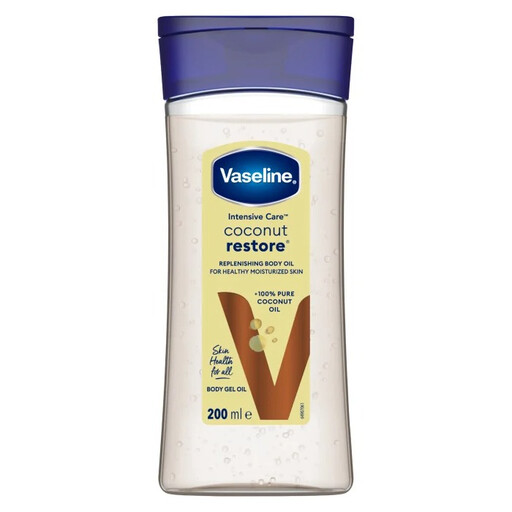
Why this fits the profile: The oil-gel texture is easy to apply after showering and the bottle contains 200 ml for regular use on dry areas.
The product description mentions a light oil-gel that absorbs quickly, so the skin feels less greasy and sticky.
200 ml content; coconut oil and vitamin E according to the ingredients information; suitable for daily use after a bath or shower.
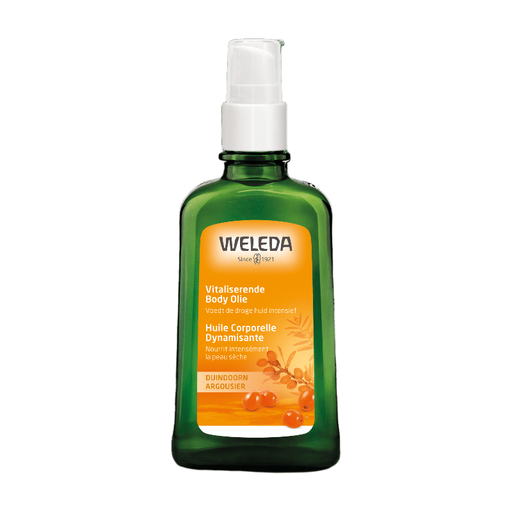
Why this fits the profile: This nourishing body oil suits those who value natural ingredients, a certification mark and a rich skin feel.
The product information states 100% natural ingredients, a vegan formulation and the NATRUE certification mark. Check the certification on the packaging.
Sea buckthorn oil; intended for dry, red or irritated skin according to the product description; apply to slightly damp skin.
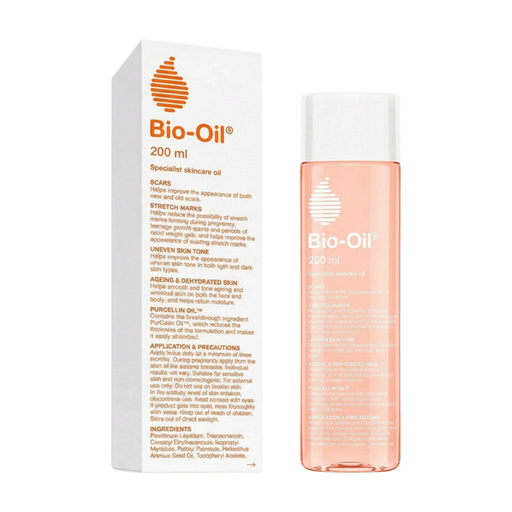
Why this fits the profile: The formula targets stretch marks, scars, uneven skin tone, dryness and ageing skin.
The product information mentions PurCellin Oil for a light, fast-absorbing texture. The manufacturer states that individual results may vary.
200 ml; suitable for face and body according to the product information; usage advice: twice daily for at least three months.
A body oil doesn't have a fixed shelf life that's the same for every brand. Check the expiry date, the symbol for use after opening, and any changes in smell, colour or texture. If an opened product has an unusual smell or consistency, it's best not to use it.
We've put together a full, up-to-date list of products that fully meet these strict selection criteria and comply with current European safety regulations.
That depends on the formula and your skin type. Many products are described as suitable for daily use. Apply a small amount and watch for irritation, a heavy skin feel or marks on clothing.
Body lotion usually contains more water and often feels lighter. Body oil mainly contains oily ingredients and helps keep the skin feeling supple while limiting moisture loss from the skin's surface. For very dry skin, you might find a lotion followed by oil works well.
Check the jar symbol on the packaging. It will show, for example, 6M or 12M: the recommended number of months after opening. Store the oil in a cool, dry place away from direct sunlight.
