
Vandaag of morgen in huis

Kwaliteit gegarandeerd

Welkomstaanbiedingen ontgrendelen: GRATIS bezorging | Tot 80% korting | Gratis 30 dagen JoyPlus-proefperiode
Download de app
A body oil can make dry or tight-feeling skin feel more comfortable and give it a soft glow. However, not every body oil is suitable for every purpose. An oil for everyday use after showering, for example, differs from a concentrated facial oil or a product specifically marketed for stretch marks and scars.
The product descriptions in this guide are based on verifiable information such as size, ingredients, area of application, packaging and usage advice. Claims about visible results are presented as information from the brand and are not a guarantee for every user.
Words such as “firming”, “for scars” or “oil for stretch marks” may sound clear, but the effect varies depending on your skin, how often you use the product, and how old the stretch marks or scar are. According to information provided by some brands, regular massage may improve the appearance of certain skin concerns. This does not mean that an oil will remove them completely.
Always check the official directions for use, the ingredients list and the intended area of application first. A dry skin oil is primarily designed to leave the skin feeling supple and help reduce moisture loss; it is not a medical treatment.
A natural body oil may contain essential oils, perfume or fragrance ingredients. These are not suitable for everyone, particularly if you have sensitive skin. Even a product labelled vegan or natural may therefore require a patch test.
Check the full INCI list for parfum, limonene, linalool, geraniol and other known fragrance ingredients if you are sensitive to them. Use oil only on intact skin and stop using it if irritation occurs.
A face and hair oil may seem good value because you can use one product on several areas. In practice, an oil containing a lot of fragrance may be less suitable for the face or fine hair. Also consider the size: a 30 ml bottle may run out relatively quickly if you use it daily all over your body.
Decide in advance whether you are mainly looking for hydration, a dry finish, fragrance, shine or targeted care.
For dry skin, oils containing ingredients such as sunflower oil, jojoba oil, macadamia oil, argan oil, squalane or coconut oil may be possible options. However, your skin’s reaction depends on the complete formula, not just one popular ingredient.
For sensitive skin, a short ingredients list and a low-fragrance formula are often practical options to consider. A pure essential oil, such as rose oil, should first be diluted with a carrier oil according to the product information. Do not apply such an oil undiluted without following the label.
A classic skin oil may feel richer and be suitable for massage. A multi-purpose dry oil is usually lighter and, according to the product description, absorbs quickly. Ideally, apply body oil after showering to slightly damp skin; this allows you to care for a larger area with less product.
Pay attention to the packaging. A spray can be convenient for legs and arms, while a dropper bottle offers greater control for the face or targeted application. Keep oil out of direct sunlight and follow the expiry date or PAO symbol on the packaging.
An oil for stretch marks, oil for scars or oil for pregnancy stretch marks can complement your daily skincare routine. According to information provided by brands, massage and regular use may help certain skin concerns appear less visible. Results vary from person to person.
During pregnancy, it is advisable to check the ingredients list and directions for use carefully. If in doubt, ask a midwife, doctor or pharmacist for advice. Pay particular attention to added fragrance ingredients and vitamin A derivatives. Do not use any product on damaged skin.
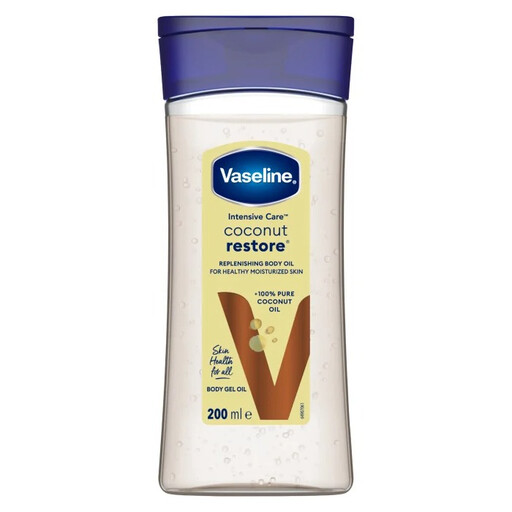
Why it suits this profile: The 200 ml size is practical for everyday use over larger areas of the body, for example after showering.
The product information describes an oil-gel texture that absorbs quickly. However, check whether coconut oil and fragrance are suitable for your skin.
200 ml, intended for everyday body use and described as suitable for dry areas.
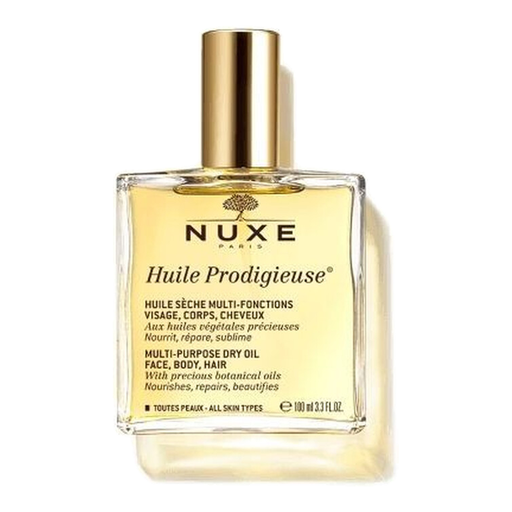
Why it suits this profile: According to the product information, this multi-purpose dry oil is intended for the face, body and hair, with a spray bottle for easy application.
The broad range of applications is clearly stated. If you are sensitive to fragrance, check the regular fragranced formula first.
100 ml, seven plant oils according to the product description, and use across three application areas.
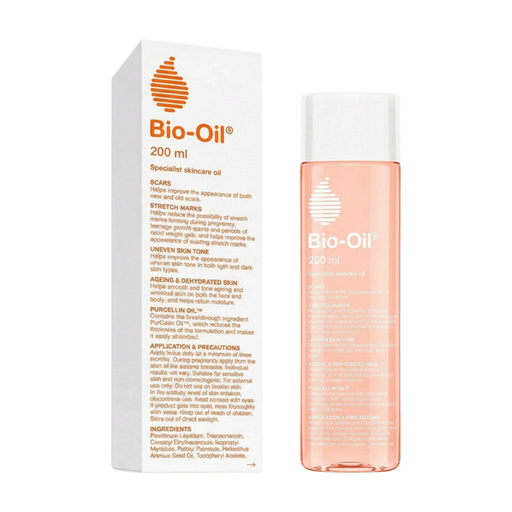
Why it suits this profile: If you are specifically looking for an oil for scars, stretch marks and uneven skin tone, this product has a clearly defined area of application.
According to information provided by Bio-Oil, using it twice a day for at least three months is part of the recommended routine. So do not expect an immediate change.
200 ml, suitable for the face and body according to the product information, with PurCellin Oil for a lighter texture.
We have put together a complete, up-to-date list of products that fully meet these strict selection criteria and the applicable European safety regulations.
Yes, body oil can leave the skin feeling softer and more supple and help it retain moisture. The formula and your skin type determine how comfortable the product feels. If your skin is very dry, you could apply a moisturising cream first, followed by a thin layer of oil.
Only if the product is explicitly intended for use on the face. Facial oil often has a different texture and composition from a standard body oil. Also check for perfume, essential oils and the warnings on the packaging.
This depends on the size, the area of application and the amount used each time. A 100 or 200 ml bottle will last longer when used on specific areas than when you apply it all over your body every day. Store the bottle according to the label, away from direct sunlight, and take note of the stated shelf life after opening.
