
Vandaag of morgen in huis

Kwaliteit gegarandeerd

Welkomstaanbiedingen ontgrendelen: GRATIS bezorging | Tot 80% korting | Gratis 30 dagen JoyPlus-proefperiode
Download de app
A body oil can help leave your skin feeling soft and lock in moisture more effectively. However, not every oil is suitable for daily use, sensitive skin or a relaxing bath routine. The difference often comes down to the formula, intended use and instructions.
Many consumers focus mainly on the fragrance or an appealing promise on the packaging. As a result, important details can be overlooked. With these practical selection tips, you can compare body oil, bath oil and shower oil in a sensible way.
Words such as “restorative”, “for stretch marks” or “reduces scars” sound convincing. They do not mean that every skin type will achieve the same result. For example, Bio-Oil’s product information states that the oil helps reduce the appearance of scars, stretch marks and pigmentation marks. According to the manufacturer’s own information, individual results may vary. So consider this a product feature rather than a medical guarantee.
An oil intended for use after showering stays on the skin. A shower oil, on the other hand, is rinsed off and usually contains cleansing ingredients. Bath oil is added to the bath water and is not automatically suitable as a massage oil. Always check the intended use and instructions.
A natural body oil may contain plant oils and essential oils. These ingredients are not suitable for everyone, particularly if you have sensitive skin. Fragrance allergens such as limonene, linalool or geraniol must also be listed in the ingredients. Check the full INCI list before buying and, if in doubt, test a new product on a small area of skin first.
Decide what you need the oil for:
Also consider the size. A 100 to 200 ml bottle is practical for daily use. A 500 ml pack is more suited to regular bath or shower use, but takes up more space and may become tiresome more quickly if the fragrance is not right for you.
For an oil for dry skin, ingredients such as jojoba oil, almond oil, argan oil, shea butter or vitamin E are common choices. The product information may state that the formula helps retain moisture or leaves the skin feeling supple. This is different from a guaranteed moisturising effect.
For an oil for sensitive skin, a short ingredients list, mild fragrance or fragrance-free formula are often important selection points. “Dermatologically tested” means that a brand has carried out a particular test, but does not guarantee that your skin will not react.
For parents, a baby bath oil or cream bath is only suitable when the packaging states the correct age range and intended use. According to the product information, Zwitsal Bath Oil is suitable from birth. Keep the oil away from the eyes, use a small amount and never leave a baby unattended in the bath.
A cosmetic product intended for the European market should include, among other things, an ingredients list, volume, warnings and information about the responsible party. Also check:
Claims such as “vegan”, “paraben-free” or “100% natural” are only useful when they are clearly linked to the product. For example, Weleda Sea Buckthorn Vitalising Body Oil’s product information states that it has a NATRUE certification and a vegan formula. Check the current packaging if certification is a deciding factor for you.
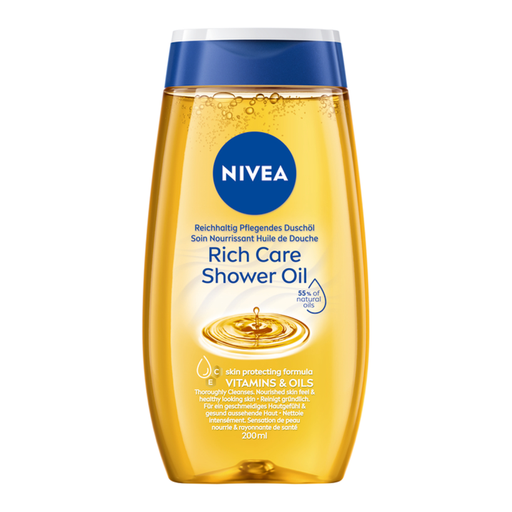
Why it suits this profile: A practical shower oil for anyone who wants to combine daily cleansing and care in one step. The product information mentions 55% natural oils, vitamin C and vitamin E.
The instructions are clear: apply to wet skin, massage in and rinse thoroughly. This means you are less likely to use it accidentally as a leave-on body oil.
200 ml, a mild fragrance according to the product description, and stated as suitable for dry or sensitive skin.
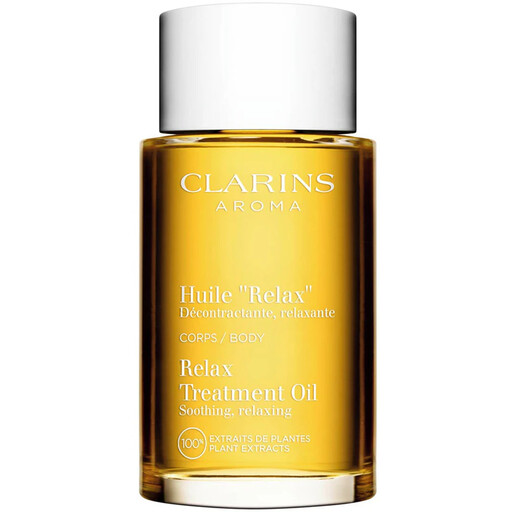
Why it suits this profile: Designed for a pampering routine with plant extracts and essential oils. The oil is intended for the body and, according to the product information, can also be used for massage.
The product information states the formula, intended use and 100 ml volume. However, check the essential oils if you are sensitive to fragrances.
Plant-based formula according to the product description, explicitly intended for body care and massage.
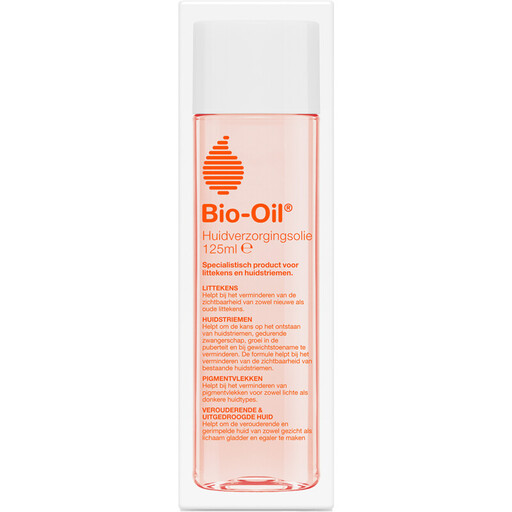
Why it suits this profile: For users specifically looking for an oil for dry or mature skin and for caring for visible scars, stretch marks or pigmentation marks.
The manufacturer clearly states the intended uses, the age recommendation from 3 years and the warning not to use the product on damaged skin.
According to the product information, PurCellin Oil is used to create a formula that spreads easily and absorbs quickly.
Ideally, apply a nourishing body oil to slightly damp skin after showering or bathing. This usually means you need less product than when applying it to completely dry skin. Start with a small amount and only add more to dry areas such as your lower legs, elbows and knees.
When using bath oil, use only the stated amount. Oil can make the bath slippery, so rinse away any residue after use. A massage oil or personal lubricant has a different formulation from an ordinary body oil. For the Durex 2-in-1 product, the manufacturer states that it is water-based and suitable for massage and certain intimate uses. Always follow the instructions supplied.
It can be, depending on the formula. Oil mainly helps retain moisture in the skin and often leaves it feeling smoother. Apply the product to slightly damp skin and check whether fragrance or essential oils are suitable for your skin.
Bath oil is added to bath water. Shower oil is applied while showering and then rinsed off. Ordinary body oil usually remains on the skin. Always check the instructions on the label.
Check the open-jar symbol, shelf-life information and label. Store oil in a cool, dry place away from direct sunlight. If the fragrance, colour or texture changes, stop using the product.
We have put together a complete, up-to-date list of products that fully meet these strict selection criteria and the applicable European safety regulations.
