
当日/次日达

品质保障

开启新人专享福利: 全场免邮 | 低至 2 折 | 免费试用 30 天 JoyPlus 会员
下载 Joybuy
Body oil can make dry skin feel more comfortable, help lock in moisture and add a subtle glow. However, not every oil is right for every purpose. A moisturising body oil for everyday use has different properties from a shimmer body oil, massage oil or oil for the face, body and hair.
The packaging doesn’t always tell the whole story, either. So check the ingredients, intended use and instructions before you order.
A body oil with shimmer or mica gives an immediate visible effect. That doesn’t automatically mean it will care for your skin over time, too. Check whether it contains skin-conditioning ingredients such as plant oils, shea butter, vitamin E or cocoa butter. A shimmery product is mainly intended as a finishing touch; for dry skin, a formula that helps lock in moisture is more important.
A product can contain natural oils and still include perfume or essential oils. Fragrance may be less suitable for sensitive skin. Check the ingredients list and test a new body oil on a small patch of skin first. Claims such as “100% natural”, “vegan” or “suitable for sensitive skin” should be verifiable through the product information, certification marks and packaging.
An oil for stretch marks and scars, a firming body oil and a massage oil all have different uses. Cosmetics can help improve the appearance or feel of your skin, but they can’t guarantee that stretch marks, scars or muscle discomfort will disappear. According to research conducted by certain brands, results may vary depending on the person and how long the product is used. Treat these claims as product information from the brand, rather than guaranteed results.
A traditional oil can feel rich and stay on the skin for longer. A dry oil or oil gel usually absorbs more quickly and is handy after a shower. Check whether the product description says it:
An oil gel, such as some Vaseline formulas, can offer a middle ground between a lotion and a traditional nourishing body oil.
For a body oil for dry skin, nourishing oils and moisture-locking ingredients are worth looking for. These include coconut oil, argan oil, jojoba oil, almond oil, sunflower oil, cocoa butter or vitamin E. For sensitive skin, a short ingredients list and limited fragrance are often useful considerations.
If you’re looking for a natural body oil, look for recognisable plant oils and certification marks such as NATRUE. A certification mark indicates that the product meets a stated standard, but it doesn’t replace testing the product on your own skin. For baby oil, it’s a good idea to check the age guidance, fragrance ingredients and safety warnings. Don’t use oil on broken or irritated skin, and avoid contact with the eyes.
Compare more than just the price of the bottle: check its size and how much you’ll need each time. A 200 ml bottle is handy for everyday use all over the body. A 50 or 100 ml version is better suited to a washbag or to caring for your face, hair or a smaller area of skin.
Self-tanning oil comes with extra considerations: it isn’t a regular moisturising oil and gives a temporary colour. Apply self-tanner evenly to exfoliated, dry skin. Wash your hands afterwards and always check the product instructions.
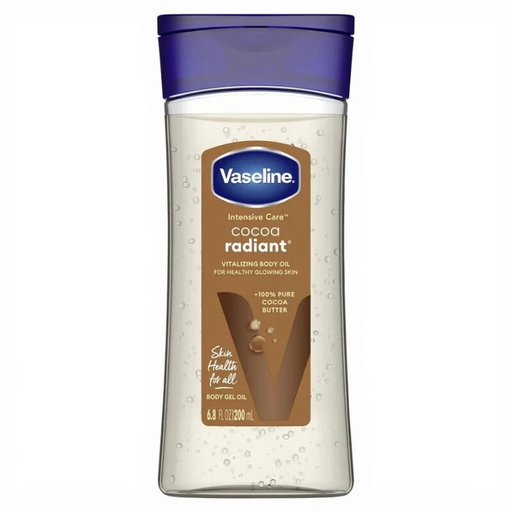
Why it suits this profile: The oil-gel texture and 200 ml size make this an accessible choice for everyday use after showering, especially if you have dry skin.
The product description mentions cocoa butter, moisture-locking ingredients and a non-greasy formula. That means the glow isn’t the only thing to consider.
200 ml; oil-gel formula; described as suitable for everyday use and for dry or sensitive skin.
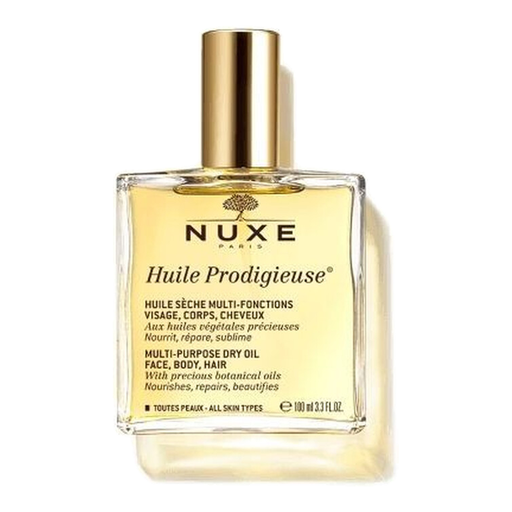
Why it suits this profile: According to the product information, this dry oil is intended for the face, body and hair. The spray bottle is handy if you want to combine several uses.
The description specifies where it can be used and mentions a light texture. If using it on your face or hair, always check how well you tolerate fragrance.
100 ml; multi-purpose use; according to the product details, vegan and free from parabens.
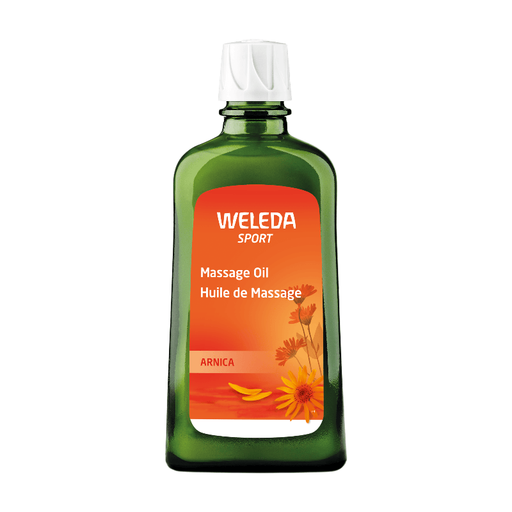
Why it suits this profile: This massage oil is intended for use before and after exercise and, according to the product information, contains rosemary, lavender and arnica.
It’s clearly positioned as a massage product, not a regular body oil. The product description mentions a warming sensation; this is not a medical effect.
200 ml; NATRUE certification according to the product information; intended for massaging muscles and legs.
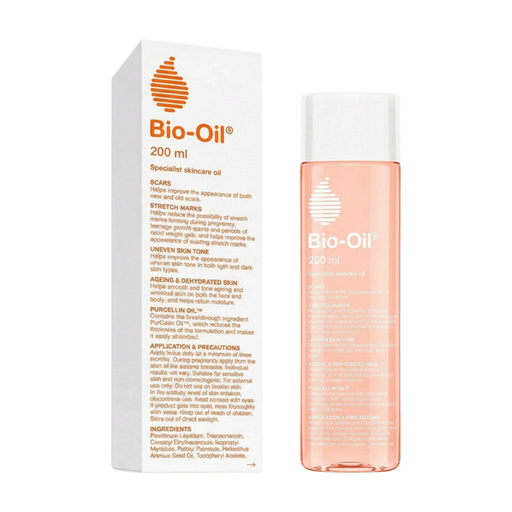
Why it suits this profile: The oil is specifically described as helping with the appearance of stretch marks, scars, uneven skin tone and dryness. The instructions recommend applying it twice a day.
The intended use and duration are clearly described. According to the product information, results may vary from person to person; don’t use it on broken skin.
200 ml; fast-absorbing formula according to the description; suitable for the face and body.
We’ve put together a complete, up-to-date list of products that meet these strict selection criteria and the applicable European safety regulations.
For best results, apply body oil to clean, slightly damp skin after showering. This helps a small amount spread more easily. Start with a few drops and only add more if needed. Massage it in gently and wait before getting dressed.
Also bear these points in mind:
Yes, many formulas are designed to leave skin feeling supple and help lock in moisture. Apply the oil to slightly damp skin. If your skin is very dry, you may find a combination of body lotion and oil more comfortable than oil alone.
Check the expiry date and the period-after-opening symbol on the packaging. The scent, colour and texture may change if oil is stored somewhere too warm or bright, or left open for too long. Close the bottle securely after use.
Only if the product description says you can. A dry oil for the face, body and hair is designed for these uses, but a regular massage oil or heavily fragranced body oil may not be suitable for your face. Start with a small amount and stop using it if irritation occurs.
