
Vandaag of morgen in huis

Kwaliteit gegarandeerd

Welkomstaanbiedingen ontgrendelen: GRATIS bezorging | Tot 80% korting | Gratis 30 dagen JoyPlus-proefperiode
Download de app
A good body oil can make your skin feel more comfortable after showering and help lock in moisture. However, not every nourishing oil is suitable for every skin type or occasion. A dry body oil works differently from a facial oil, hair oil or oil-gel.
What’s more, the packaging doesn’t always tell the full story. So keep an eye out for these common pitfalls before you pop a bottle in your basket.
A natural body oil can contain essential oils, fragrance or perfume allergens. That’s not necessarily a problem, but if you have sensitive skin, a heavily fragranced formula might not be ideal. Always check the ingredients list and test a small amount on a small area of skin.
Extra care is needed with pure essential oils, such as rose oil. For example, the product information for Regina Roses states that the oil must be diluted with a carrier oil before applying to the skin. So a pure oil is not the same as a ready-to-use hydrating body oil.
Marketing terms like “radiance”, “glow” or “firming” often describe how the skin looks or feels after use. According to a brand’s own research, a product might, for instance, help smooth the skin, but this isn’t a guarantee for every individual. Focus instead on the formula, how to apply it and the quantity.
An oil seals in moisture, but it doesn’t always add much water to the skin itself. Applying it to slightly damp skin, for example straight after a shower, is therefore often a practical approach.
A multi-purpose oil for face, body and hair is handy when you’re travelling, but it’s not always the most focused choice. A facial oil, for instance, needs to be pleasant on a small, delicate area. A body oil can be richer and should spread easily over larger areas. For pregnancy care, the ingredients, scent and usage instructions are especially important.
Choose a texture that suits your routine:
Also pay attention to the packaging. A spray is handy for larger body areas, while a dropper bottle gives you more control for the face or hair ends.
Common plant-based oils include almond, jojoba, argan, macadamia, coconut, marula and sea buckthorn oil. Their properties vary from formula to formula. Also check:
An oil for dry skin can feel comfortable, but stop using it if irritation occurs. Avoid applying oil to broken skin and keep it away from your eyes.
More product doesn’t automatically mean more care. Start with a few drops or a thin layer and add more only where needed. For the body, this method usually works simply:
During pregnancy, oils can help keep the skin feeling supple and cared for. However, a product claim about preventing or reducing stretch marks remains a brand claim. According to Weleda’s own research, some users experience smoother skin; this is not a medical guarantee. If you’re unsure about ingredients or use during pregnancy, speak to your midwife, GP or pharmacist.
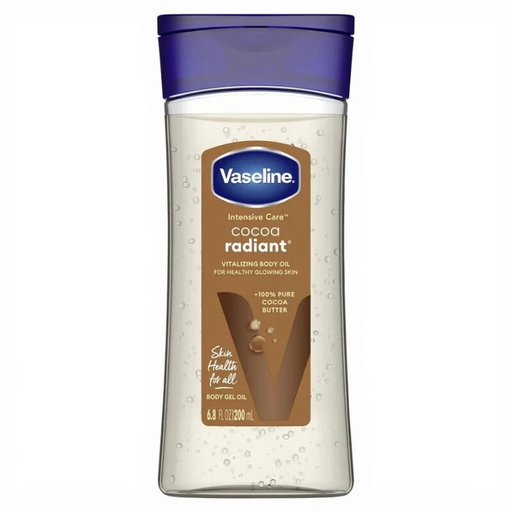
Why it fits the profile: This 200 ml oil-gel is designed for daily use on dry and sensitive skin. The larger size is practical when you’re mainly caring for your legs, arms and dry areas.
The formula isn’t a small facial oil, but a body product with 200 ml. According to the product information, the light oil-gel absorbs quickly without a sticky feel.
200 ml; cocoa butter in the formula; designed to lock in moisture; suitable for daily body use.
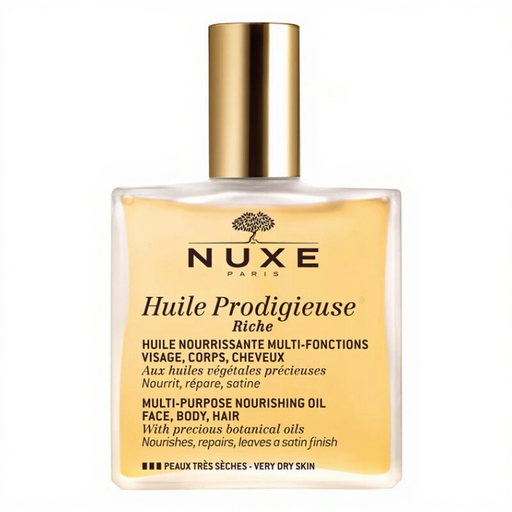
Why it fits the profile: This multi-purpose oil is designed for the face, body and hair. The product information states 98.1% of the ingredients are of natural origin and a formula for very dry skin.
The intended uses and application instructions for each area are clearly described. This means you don’t have to use one body product on your face and hair on a wing and a prayer.
100 ml; suitable for three uses; 98.1% of the ingredients are of natural origin according to the product information; designed for very dry skin.
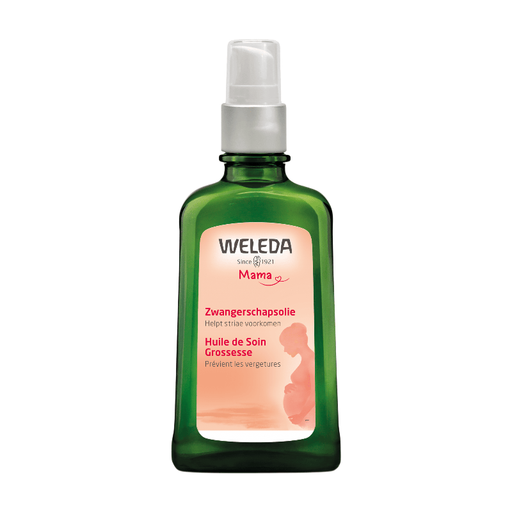
Why it fits the profile: The oil is specifically developed for the tummy, breasts, thighs and bottom during and after pregnancy. The product information mentions almond, wheat germ and jojoba oil.
The target audience and body areas are clearly stated. During pregnancy, always check the current ingredients yourself and discuss any concerns with a healthcare professional.
100 ml; daily massage; plant-based oils; fragrance with lavender, wild rose and orange according to the product description.
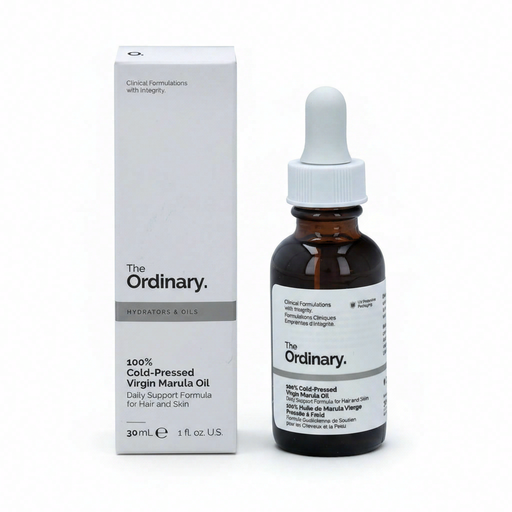
Why it fits the profile: According to the product information, the formula contains only 100% unrefined, cold-pressed virgin marula oil. The oil can be used on the face and in the hair.
The ingredients list is short and the packaging mentions UV-protective packaging. The 30 ml size makes dosing easy, but it’s less suitable for large body areas.
100% marula oil according to the product description; cold-pressed; usable for face and hair; 30 ml.
We’ve put together a full, up-to-date list of products that fully meet these strict selection criteria and comply with current European safety regulations.
Yes, a body oil can be pleasant for dry skin, especially when you apply it to slightly damp skin. The oil mainly helps to limit moisture loss. If redness, flaking or irritation persists, it’s wise to ask a doctor or pharmacist for advice.
That depends on the product information. A multi-purpose oil like Nuxe is, according to the description, intended for face, body and hair. A specific body oil or oil-gel isn’t automatically suitable for that. When using it on your face, start with a small amount and check for perfume and other potentially irritating ingredients.
Check the packaging for the shelf life and the period after opening. Some products, for example, state 6 months after opening. Store the bottle closed, in a cool place and out of direct sunlight. A change in smell, colour or texture is a reason to stop using the product.
