
Vandaag of morgen in huis

Kwaliteit gegarandeerd

Welkomstaanbiedingen ontgrendelen: GRATIS bezorging | Tot 80% korting | Gratis 30 dagen JoyPlus-proefperiode
Download de app
A good body lotion should suit your skin, daily routine and preferences when it comes to fragrance and texture. However, it is not always easy to see past marketing claims. Terms such as “intensive hydration”, “natural” and “long-lasting care” only become meaningful when you consider them alongside the ingredients, volume and intended use.
With this practical guide, you can compare a hydrating body lotion, body milk, body cream and hand lotion. This will help you know what to look for before buying a 200, 250, 300 or 400 ml product.
Brands regularly state that a lotion hydrates for, for example, 48 or 72 hours. This is a claim made in the product communication and is not a guarantee for every user. According to the product information, Dove states that its Care & Glow lotion provides care for up to 48 hours. NIVEA Vital features a 72-hour claim on the product page, while the description also mentions 48 hours.
Your actual experience may vary depending on your skin type, the season, how often you shower and how much product you use. Treat such a time period as a point of comparison, rather than a certainty.
A natural body lotion may contain plant oils and extracts, but that does not automatically mean everyone will like the fragrance or formula. Natural fragrances may also be less suitable for some people. Always check the ingredients list and look out for perfume, essential oils and known fragrance ingredients such as limonene, linalool or geraniol.
A large bottle is not always the most economical choice. Compare the volume per pack and consider how often you apply lotion. A 400 ml body lotion is practical for daily use all over the body, while a 200 ml body lotion may be more convenient for a smaller routine or when you are out and about.
A rich body cream or body milk can feel pleasant on dry to very dry skin, but may feel heavier. A fast-absorbing body lotion is a better choice when you want to get dressed straight away, for example after showering in the morning.
Look out for words such as these in the product description:
These terms describe the formula, but do not guarantee the same experience for every skin type.
Many body lotions contain glycerine, fatty alcohols, oils or butters. Glycerine is often used as a moisture-binding ingredient. Shea butter, almond oil, coconut oil, macadamia oil and sunflower oil contribute to a fuller, more nourishing feel on the skin.
For a body lotion for dry skin, it is sensible to look for a combination of humectants and emollient ingredients. For very dry skin, a richer formula containing ingredients such as shea butter or cocoa butter may be a more logical choice than a very light lotion.
A scented body lotion can make your daily routine more enjoyable, but perfume does not mean better hydration. Choose a fragrance profile that suits you: fresh and citrusy, fruity, warm and spicy or subtly floral. If you are sensitive to perfume, consider an unscented formula and check the ingredients first.
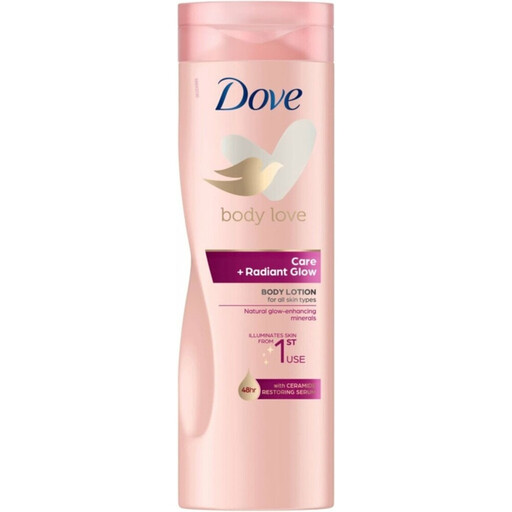
Why it suits this profile: The 400 ml pack is suitable for daily use all over the body. The product information mentions ceramides, glow-enhancing minerals and dermatologically tested use.
The generous volume makes it less likely that you will need to reorder soon. However, check whether perfume and fragrance ingredients such as limonene and linalool suit your preferences.
400 ml volume; formula containing glycerine, dimethicone, sunflower oil and perfume, among other ingredients.
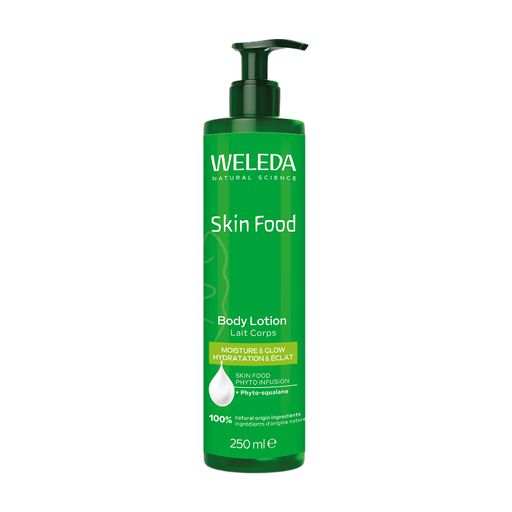
Why it suits this profile: This rich lotion is designed for dry to very dry skin and, according to the product information, contains organic oils, shea butter and plant extracts.
The product information clearly identifies the target skin type and ingredients. Check the label if you prefer to avoid perfume or certain plant extracts.
250 ml volume; according to the product listing, 100% natural, vegan and carrying a NATRUE label.
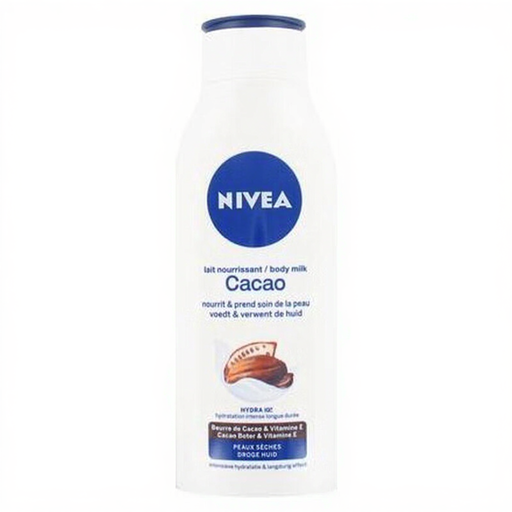
Why it suits this profile: The product description is aimed at very dry skin and mentions cocoa butter, coconut oil and glycerine. The 400 ml pack is suitable for regular use.
The target skin type is clearly stated as very dry skin. However, consider the richer texture and cocoa fragrance if you are looking for a lightweight or fragrance-free lotion.
400 ml volume; intended for very dry skin; dermatologically tested according to the product information.
A body milk is often thinner and spreads easily over large areas of the body. A body cream generally has a richer texture and is suitable for people looking for more nourishment. However, these terms are not fully standardised, so look at the ingredients and description rather than relying on the product name alone.
A separate hand lotion is practical for your hands. Molton Brown Mesmerising Oudh Accord & Gold Hand Lotion and Orange & Bergamot Hand Lotion each contain 300 ml and, according to the product information, are intended for use after washing. Both contain glycerine; the Orange & Bergamot version also contains shea butter and citrus oil. Fragrance is also a key focus here, making them particularly suitable for anyone who wants to combine skincare with a distinctive scent.
We have compiled a complete, up-to-date list of products that fully meet these strict selection criteria and the applicable European safety regulations.
That depends on your skin and routine. Daily use after showering is a practical habit if your skin tends to feel dry quickly. With normal skin, using it less often may be enough.
Check the expiry date or the symbol on the packaging. According to the product information, Molton Brown states a period of 12 months after opening. Instructions may vary for other products.
It can be, but fragrance says nothing about the moisturising effect. Check the ingredients list and choose a formula containing ingredients such as glycerine, oils or butters if you are primarily looking for care for dry skin. If you experience a sensitive reaction, a less fragranced option may be more suitable.
