
Vandaag of morgen in huis

Kwaliteit gegarandeerd

Welkomstaanbiedingen ontgrendelen: GRATIS bezorging | Tot 80% korting | Gratis 30 dagen JoyPlus-proefperiode
Download de app
Body lotion may seem like a simple purchase, but formulas can vary considerably. Some lotions feel instantly soft, yet leave your skin feeling tight again later. Other products smell pleasant, while fragrance can feel uncomfortable on sensitive skin. Terms such as “intensive hydration”, “natural” and “glow” only mean something when you check the ingredients, volume and directions for use.
Use this practical buying guide to compare body lotion and body cream based on factors that matter for everyday use in the Netherlands.
“Restoring”, “radiant” and “48-hour hydration” are marketing terms or brand claims. Do not treat them as guarantees. According to Dove’s own research, Care & Glow provides up to 48 hours of hydration according to the product description. This is information from the brand, not a universal result for every skin type.
Also check the ingredients list. Glycerine, oils, butters and certain skin-conditioning substances can tell you something about the formula. An ingredient’s position in the list also indicates its relative quantity, but it cannot fully predict how your skin will respond.
A fragranced body lotion can be enjoyable if you want to leave a layer of fragrance on your skin. However, fragrance ingredients such as limonene, linalool, citronellol and geraniol may be less suitable for people who react quickly to fragrances. A natural body lotion is not automatically fragrance-free, and “natural” does not mean irritation is impossible.
A large bottle may seem better value, but check the volume in millilitres and the recommended amount to use. A rich body cream may require less per application than a lightweight lotion. Also check the shelf life and the period after opening, often shown as 12M, for example. Stop using a product if its smell, colour or texture changes noticeably.
Body lotion is usually lighter and absorbs quickly. That makes it suitable for everyday use, such as after showering or before getting dressed. Body cream is often richer and can feel comforting on elbows, knees, shins and other areas that tend to feel dry quickly.
Look out for terms such as “fast-absorbing”, “lightweight” or “rich cream”, but base your choice on the ingredients too. Shea butter, almond oil, coconut oil and sunflower oil are often used in nourishing formulas. They can leave the skin feeling soft, but a richer texture will not be comfortable for everyone.
For a body lotion for dry skin, relevant ingredients to look out for include glycerine, oils, butters and ceramides. Ceramides are used in products designed to support the skin barrier. According to the product information, Dove Care & Glow contains a Ceramide Restoring Serum. Freshly Cosmetics lists triple ceramides and prebiotics in the Prebiotic Balance Body Lotion.
Treat this product information as a description of the formula. It is not a medical treatment. If itching, redness or damaged skin persists, seeking advice from a doctor or pharmacist is wiser than repeatedly trying a different lotion.
If you are looking for a fragrance-free or minimally fragranced formula, check the ingredients list. If you prefer a fragranced body lotion, consider the fragrance variant and its intensity. Sol de Janeiro Bom Dia Bright Body Cream, for example, is described with pistachio and salted caramel; Byredo Blanche Body Lotion is described as featuring white rose, sandalwood and neroli, among other notes.
Certifications can be useful, but always check which certification is mentioned and what it covers. Weleda displays a NATRUE guarantee label and describes the lotion as natural and vegan. Sol de Janeiro Beija Flor Elasti Body Cream is listed as vegan in the product details. These are product and brand details; check the packaging if you are unsure.
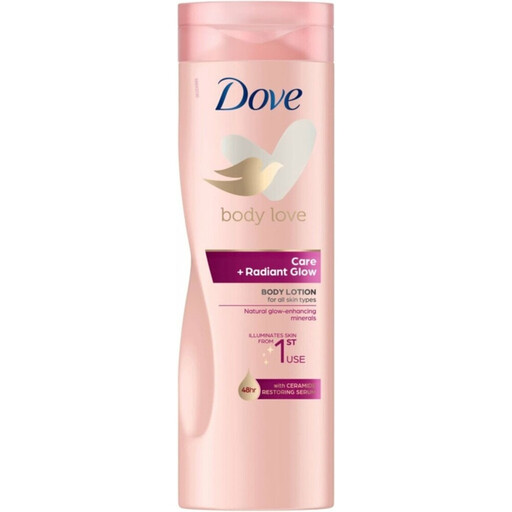
Why it suits this profile: The 400 ml volume is practical for a consistent routine, and the product details mention daily use.
The ingredients list and volume are available, so you do not have to rely solely on the glow claim.
400 ml, ceramides according to the product description, and dermatologically tested according to the stated product information.
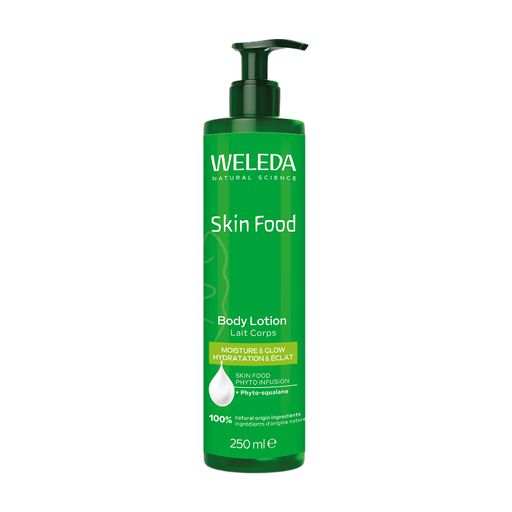
Why it suits this profile: The rich texture and plant-based ingredients suit anyone looking for a nourishing body lotion with a natural positioning.
The product description specifically mentions the texture, oils, shea butter and botanical extracts; check the current packaging for the full composition.
250 ml, with shea butter and, according to the product information, 100% natural, vegan and cruelty-free.
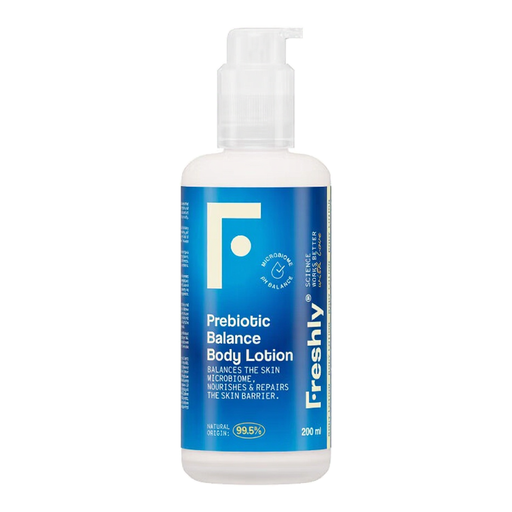
Why it suits this profile: This formula is aimed at users who pay attention to ceramides, prebiotics, pH and a lightweight texture.
The product information provides specific details about the formula, including 99.5% natural ingredients and triple ceramides, rather than only making a general moisturising claim.
200 ml, a lightweight fast-absorbing texture and, according to the product details, suitable for sensitive skin.
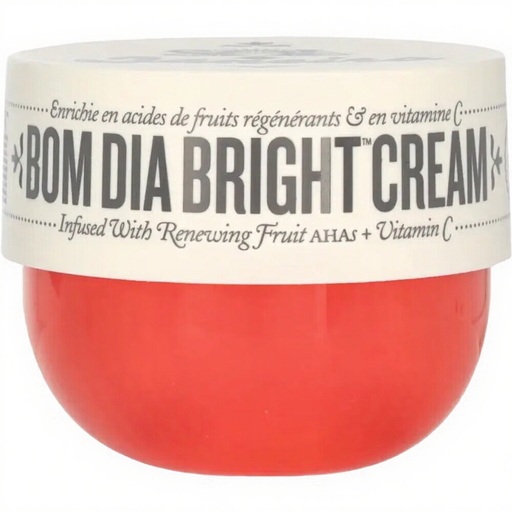
Why it suits this profile: The combination of body care and a pistachio fragrance suits anyone who makes fragrance part of their daily routine.
The product description specifically mentions fruit acids and vitamin C; if you have sensitive skin, a patch test is important according to the directions for use.
240 ml, body cream with AHAs and vitamin C according to the product description, plus a distinctive fragrance variant.
We have put together a complete, up-to-date list of products that fully meet these strict selection criteria and the applicable European safety regulations.
Apply the lotion to clean skin, preferably shortly after showering. Pat your skin dry, leaving it slightly damp, then massage in a suitable amount. Pay extra attention to your shins, knees, elbows and heels. A body lotion for everyday use does not need to be applied thickly to work comfortably.
Test a new product on a small area of skin first. Stop using it if irritation occurs and avoid contact with the eyes. Take extra care with products containing fruit acids or fragrance. Always follow the warnings and instructions on the packaging.
For most people, once a day after showering is a practical starting point. If you have dry skin, applying it more often to specific areas may feel beneficial. The ideal frequency depends on the formula, the season and how your skin feels.
Not necessarily. Body cream usually has a richer texture and can feel comfortable on very dry areas. A moisturising body lotion is lighter, making it easier to use every day all over the body. Above all, compare the ingredients and choose a texture you will apply consistently.
Check the packaging for the open-jar symbol, such as 12M, and for any shelf-life information. Store the bottle in a cool, dry place away from direct sunlight, and close the cap securely. Stop using the product if its smell, colour or texture changes noticeably.
