
Vandaag of morgen in huis

Kwaliteit gegarandeerd

Welkomstaanbiedingen ontgrendelen: GRATIS bezorging | Tot 80% korting | Gratis 30 dagen JoyPlus-proefperiode
Download de app
Body lotion may seem like a simple product, but the choice varies considerably in texture, ingredients, fragrance, size and price. A cheap bottle may therefore be less suitable for everyday use, while a luxury body cream is not automatically a better match for dry or sensitive skin.
The most important question is not which packaging looks most attractive, but what your skin and daily routine need. Below, you’ll find what to look out for and which popular choices suit different situations.
Brands often highlight ingredients such as hyaluronic acid, Q10, shea butter or plant oils. This can be useful information, but one prominent ingredient does not tell you everything about the overall formula. Also check whether it contains fragrance, alcohol or known fragrance allergens. Especially when choosing a body lotion for sensitive skin, the full ingredients list is more important than a promise on the front of the bottle.
A fragranced body lotion can be pleasant, but fragrance ingredients are not comfortable for everyone. If you use lotion straight after showering or quickly experience tight-feeling skin, it may be better to focus on texture and skin tolerance first. A fragrance-free option is a practical choice if you want to minimise fragrance in your skincare routine.
A body lotion deal may look appealing, but always compare the price per 100 ml. A 400 ml bottle is not automatically better value than two 200 ml bottles. Also consider multipacks: six bottles are useful for everyday use, but less sensible if you want to try a product first.
For normal skin, a light, moisturising body lotion is often enough. For dry skin, ingredients such as glycerine, plant oils, shea butter, petrolatum or ceramides may be worth considering. A body lotion for dry skin is usually richer than a body milk and may leave a nourishing layer on the skin for longer.
For sensitive skin, you may want to look for:
A body milk is generally thinner and spreads easily over large areas of skin. A body cream is often richer and better suited to very dry areas such as elbows, knees and heels. If you want to get dressed quickly after showering, look for a fast-absorbing body lotion. Do check the instructions for use, though: even a lightweight formula needs time to absorb fully.
Hyaluronic acid is often used as a moisture-binding ingredient. Shea butter and oils provide a richer feel on the skin. Urea is commonly found in products for very dry skin. When choosing a body lotion with urea, it is sensible to check the stated concentration and any warnings on the label.
Claims about, for example, 48 or 72 hours of hydration, firmer-looking skin or a more even appearance come from the brand. Treat them as manufacturer information, rather than as a personally guaranteed result. For NIVEA, for example, the 72-hour claim is linked to the brand’s clinical tests. Dove’s product claims about improving the skin refer to its own product information. Formulas may also change, so always check the packaging when you buy.

Why it’s a good match: The 400 ml bottle is practical for everyday use after showering. According to the product description, the lotion contains aloe vera and Vaseline microdroplets, with a lightweight, fast-absorbing formula.
You’re not just paying for a striking luxury image; you’re comparing a generous size with a clear everyday purpose.
400 ml, lightweight texture, fresh fragrance according to the product information, and suitable for dry skin.
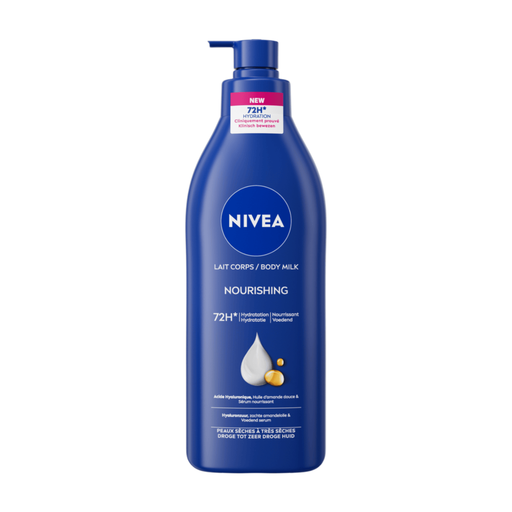
Why it’s a good match: According to NIVEA, this body milk is designed for dry to very dry skin and contains hyaluronic acid, almond oil and a nourishing serum.
The product is chosen based on skin type and ingredients, not just on the stated duration of hydration.
400 ml, non-greasy texture and, according to the manufacturer, fast absorption.
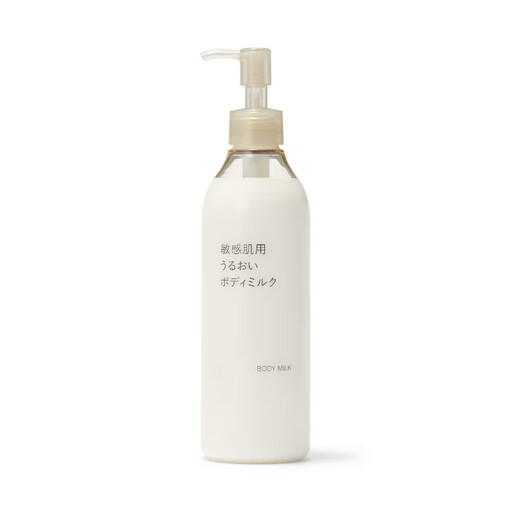
Why it’s a good match: The product description states that it contains no fragrance, colourants, mineral oil, alcohol or parabens. It also mentions ceramides, amino acids and three plant extracts.
The fragrance-free formula means you won’t accidentally buy a perfumed product when you’re looking for a simple routine.
300 ml and a gentle, fragrance-free positioning; always check the current label.
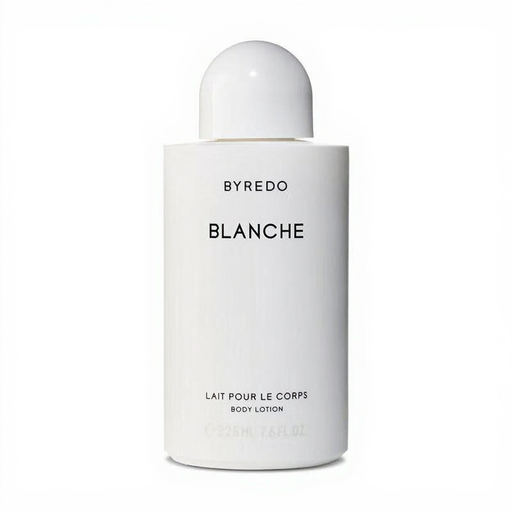
Why it’s a good match: For anyone who sees body care as a fragrance experience too. The product information mentions white rose, sandalwood, neroli, pink pepper and musk.
You’re consciously choosing fragrance and presentation, rather than assuming a luxury product will automatically suit every skin type.
225 ml and, according to the product description, a non-greasy formula that absorbs quickly.
Browse our current range and compare products by skin type, size, ingredients, fragrance and price.
Apply the lotion to clean, slightly damp skin after showering. This helps a thin layer spread more easily. Start with a small amount and only add more where needed. Pay extra attention to your shins, knees, elbows and heels.
Store the bottle in a cool, dry place away from direct sunlight, and close the cap securely. Check the expiry date and the period after opening on the packaging. Body lotion can change in texture or fragrance; if this happens, stop using the product.
This depends on your skin and the season. If you have dry skin, daily use after showering can be beneficial. In winter or in dry air, you may need to reapply. Always follow the instructions for the product you have chosen.
Body milk is usually light and fluid. Body lotion generally sits somewhere in the middle in terms of texture and is suitable for everyday use. Body cream is typically richer and suits very dry areas or anyone looking for a more nourishing feel on the skin. The terms are not fully standardised, so focus mainly on the formula and product description.
Choose a product clearly labelled for babies, such as a baby body lotion. Check the age recommendation, ingredients and warnings. If in doubt, test a small amount first and seek advice from a doctor or pharmacist if skin problems persist.
